The extensive transformation of the building, constructed in the late 19th century by the Manresa architect Ignasi Oms i Ponsa, successfully merged new construction with the original heritage elements. This site holds historical significance, as it was where electrical energy was first generated in Manresa in 1894. The project cost nearly four million euros, mostly funded by European Union funds, with a one million euro contribution from the Manresa City Council.
“"We have tried to recover all the heritage asset, emphasizing its values, but at the same time incorporating important elements such as energy efficiency."
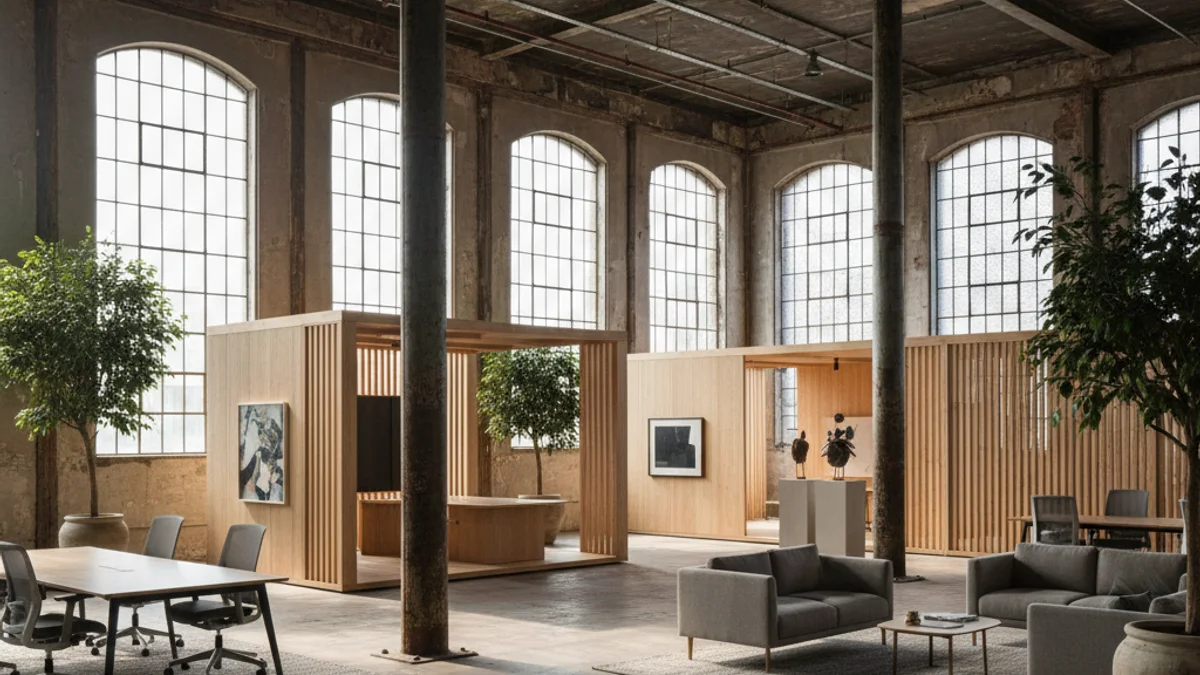
The architectural project, led by the team of Meritxell Inaraja, was noted for its “enormous sensitivity” in recovering and dignifying the space. Elements such as the original pavements (dating from the late 19th and early 20th centuries), iron pillars, and original roof trusses have been preserved, combining new and old to recall “the passage of history.”
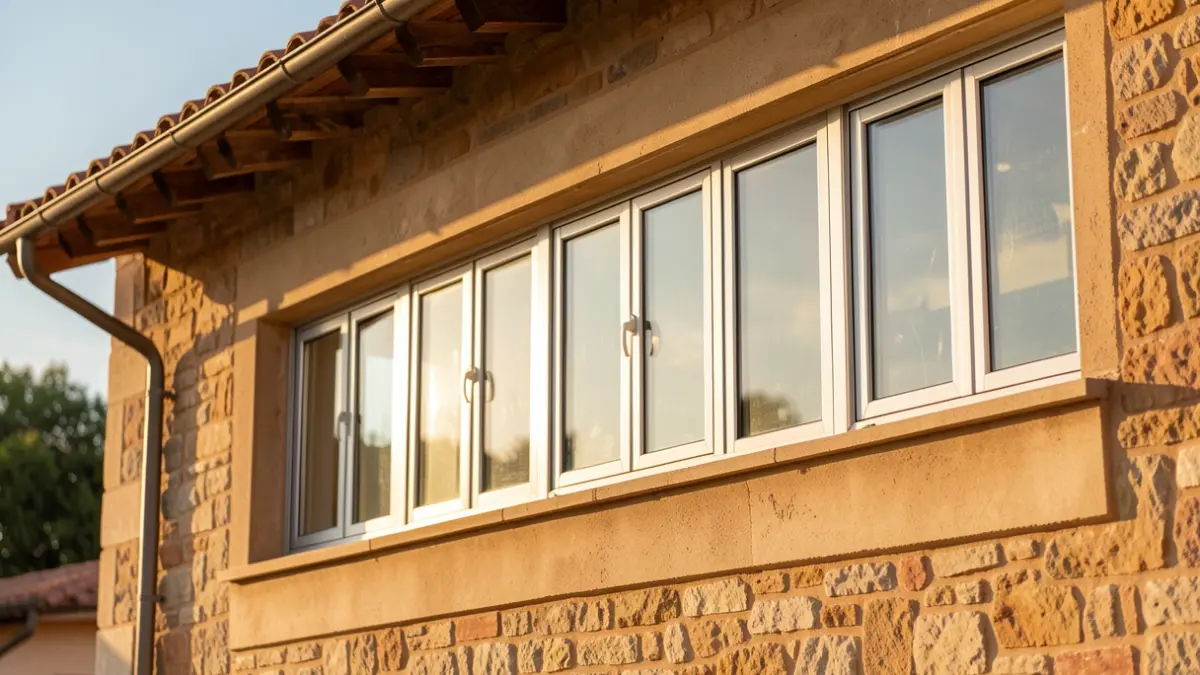
In addition to historical preservation, key energy efficiency features were incorporated, such as a double facade on Llussà Street that automatically regulates temperature, and a central skylight that provides natural light to all floors. This system was crucial for the selection of Inaraja's project.
The building will house the offices of the municipal body ProManresa, unifying employment, commerce, and entrepreneurship services. The large hall has been converted into a venue for cultural events, while the basement floor will be dedicated to creative and transformative culture through FABA, featuring independent external access.