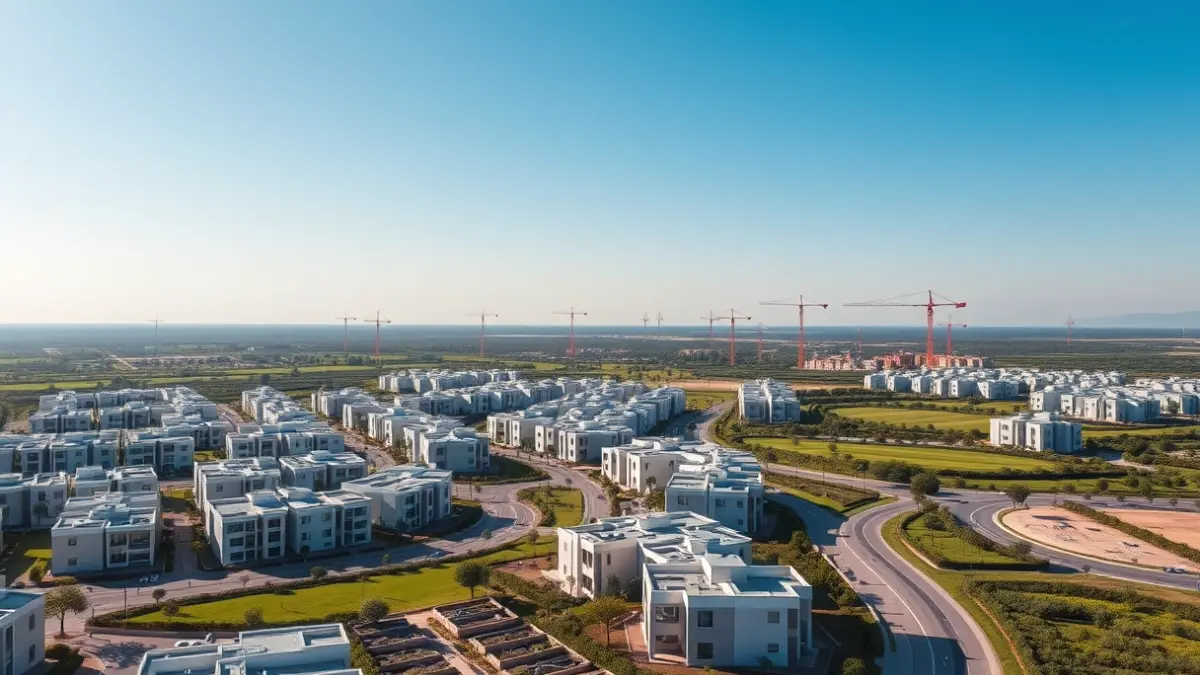
This structural increase in population, driven by both internal mobility and migratory flows, obliges local authorities to detailed urban planning. The objective is to sustain expansion without straining the city and ensuring social cohesion.
“"We must know how to grow and grow well because, whether we like it or not, this will happen. It is not an option."
Municipal planning focuses on housing, mobility, and basic services to address the population increase. The vision is long-term, considering the infrastructures and services needed for a city of 150,000 inhabitants.
The growth of Reus is mainly due to two factors: 40% of new residents come from abroad, while the remaining 60% move from other parts of Spain, especially from the Barcelona Metropolitan Area (AMB). This relatively new phenomenon indicates that the AMB is becoming too small to absorb the entire population.
IDESCAT data from 2025 show that 80% of the population is autochthonous and 20% is of foreign origin. The foreign community in Reus is marked by a significant presence of people from Morocco (8,422 residents), followed by Colombia (2,386) and Romania (2,286). Other significant groups include Venezuela, China, Argentina, Italy, and Brazil.
The massive regularization of migrants could further increase these figures. The city council considers the census as a fundamental tool for accessing basic rights, not as a control mechanism. The priority is to guarantee dignified living conditions for all residents.
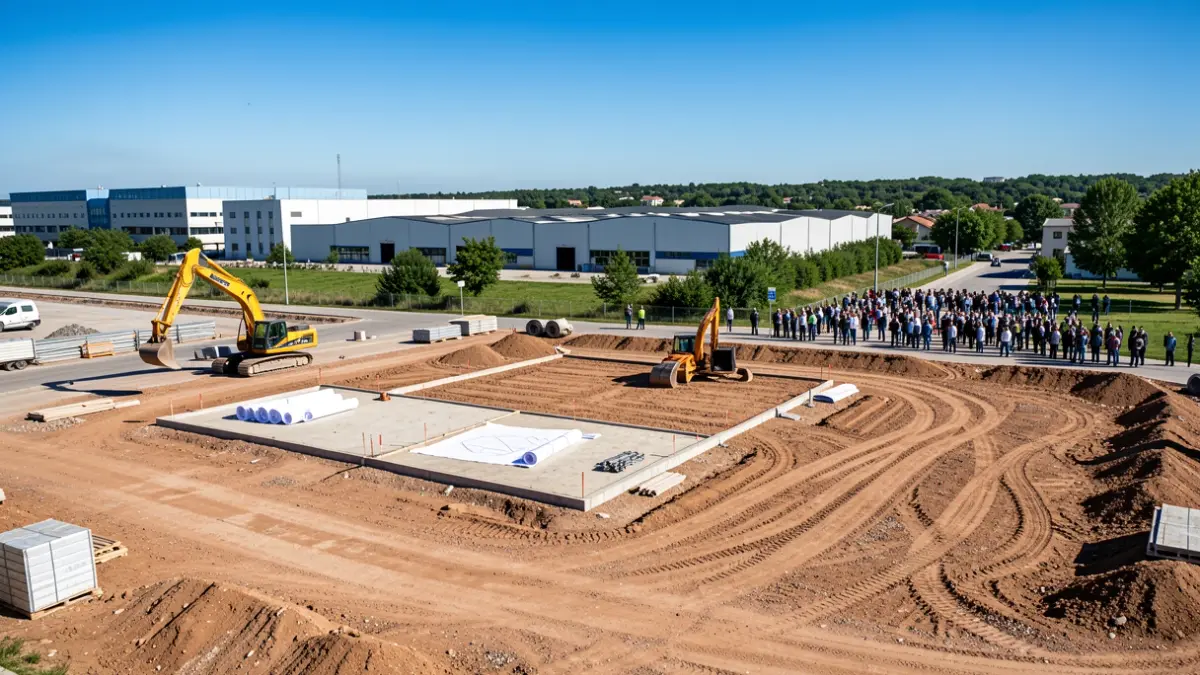
The areas of Bellisens and Parc dels Capellans, located to the south and east of the city, respectively, are the strategic points where new mobility infrastructures, facilities, housing developments, and services will be concentrated to support this urban expansion.