El Trapezi de Reus, the Catalan Circus Fair, has celebrated its 30th edition with notable public figures, attracting 45,000 people and achieving an average occupancy of 98% in its stage shows. Beyond the success with the public and professionals, the organization has highlighted its commitment to a new working dynamic in the sector over the past four years, focusing on "camaraderie, embrace, and smiles to work together," as stated by the fair's co-director, Cristina Cazorla.
With three decades of history, the fair featured sixty companies and eighty performances across squares, streets, and theaters in Reus. The organization estimates 45,000 attendees, with 98% occupancy for paid shows, solidifying the capital of Baix Camp as a national and international circus reference point.
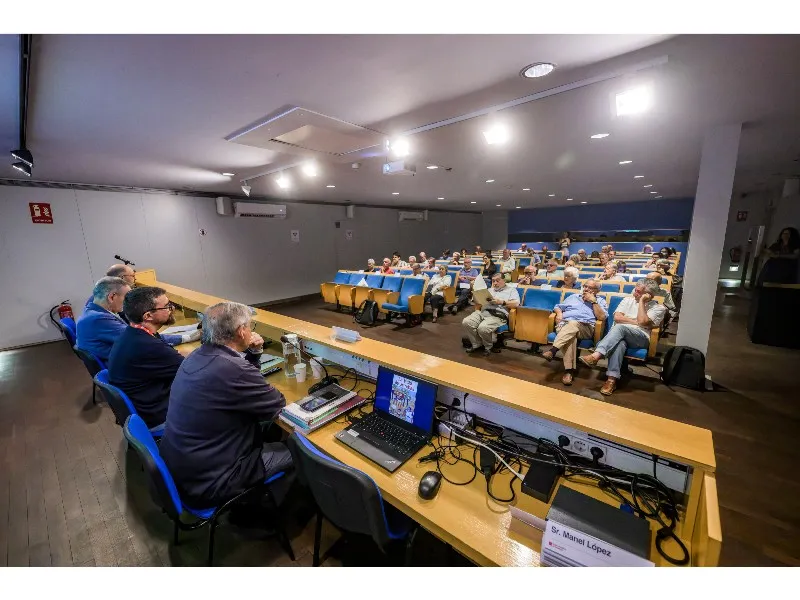
The professional aspect of the event brought together over 300 accredited professionals during three days. Round tables, project presentations, showcases, and activities aimed at fostering connections and new opportunities within the circus sector were organized.
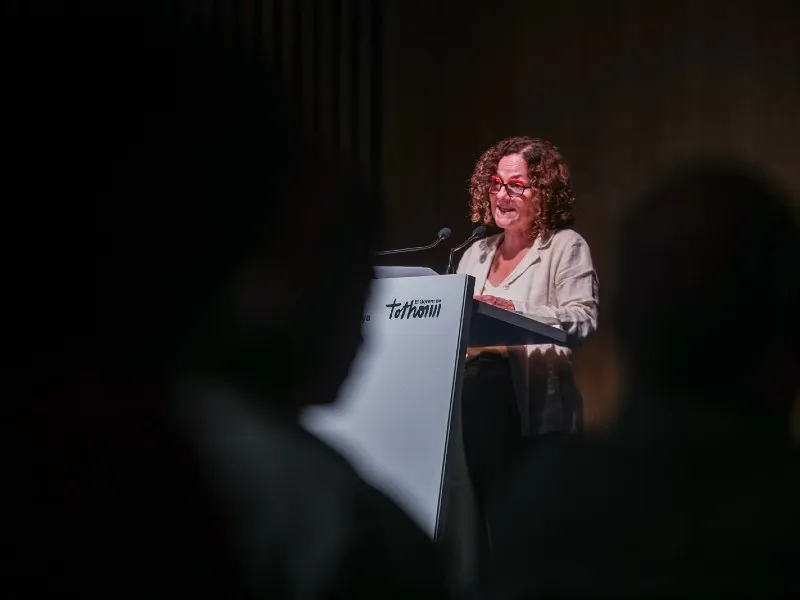
The mayor of Reus, Sandra Guaita, emphasized Trapezi's ability to "generate excitement" and fill the city. Meanwhile, the Councilor for Culture, Daniel Recasens, pointed out the intention to continue attracting audiences while maintaining a balance with artistic quality.
The celebration of the thirtieth anniversary coincides with the fourth edition under the direction of Cristina Cazorla and Alba Sarraute. They highlighted the shift in perspective promoted within the sector, emphasizing "camaraderie" and the creation of bonds between programmers, artists, and distributors.
A tender for the artistic direction for the next four years is expected soon. The current team has expressed their desire to continue leading the fair to further implement "a new way of working in the sector."