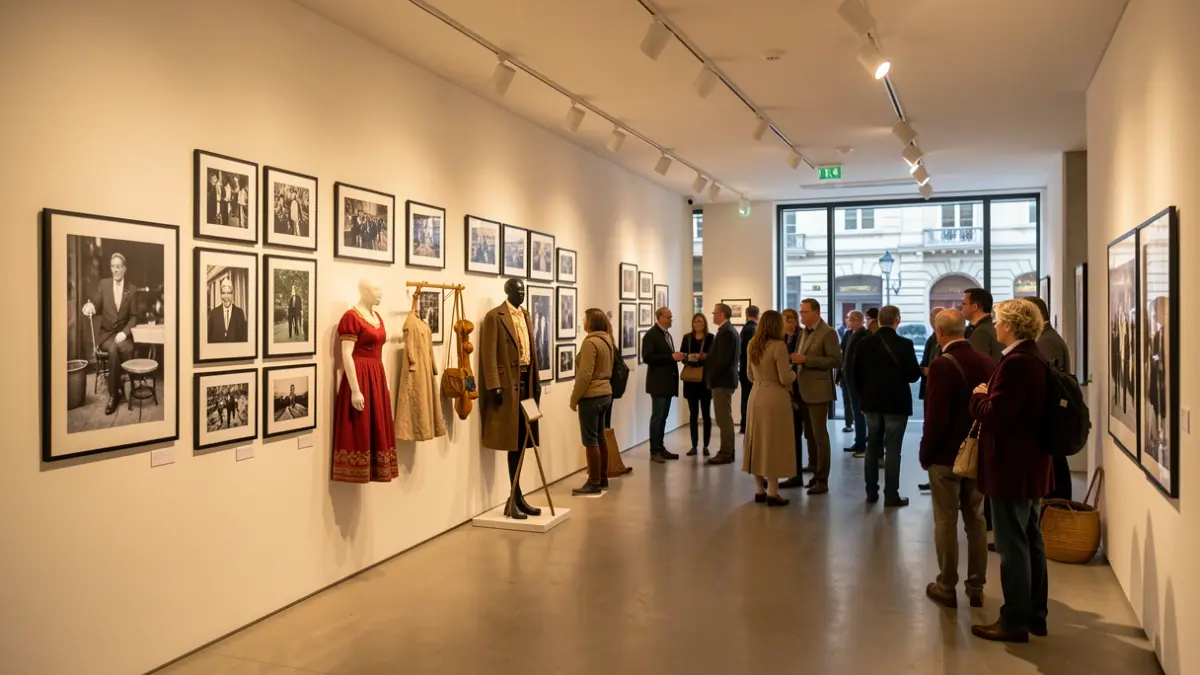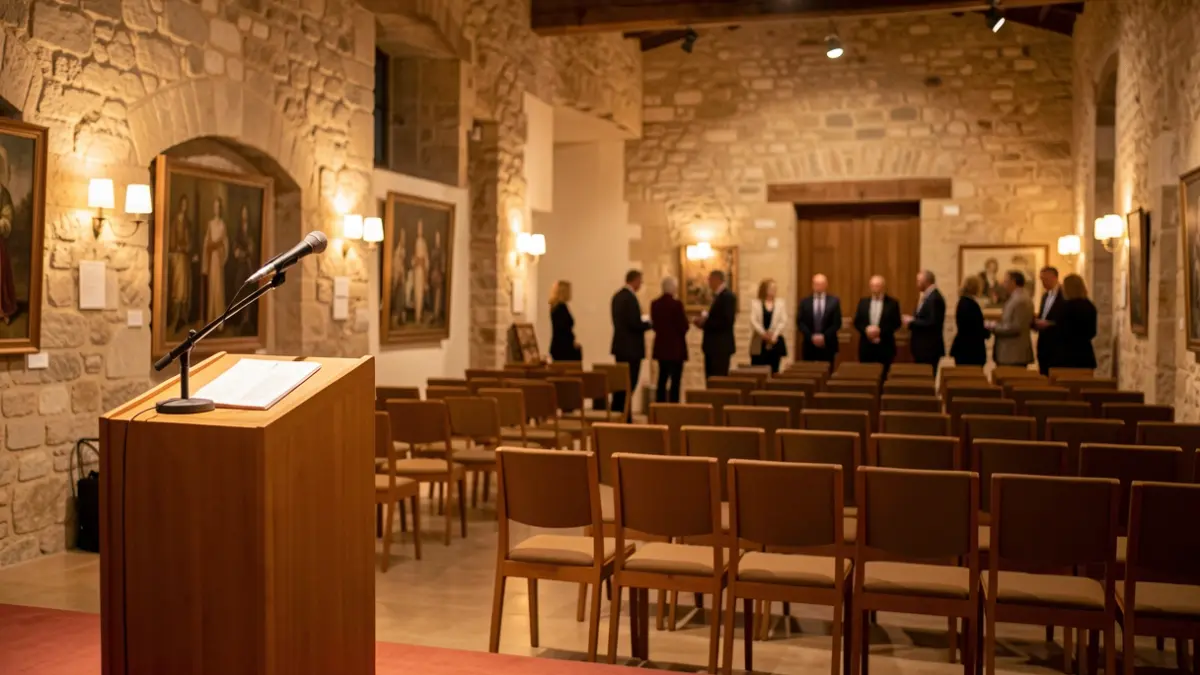
The institutional act, held on January 27 coinciding with the liberation of the Auschwitz-Birkenau extermination camp in 1945, will take place this year at the Municipal Archive due to ongoing renovation works at Plaça de la Llibertat. The Councilor for Good Governance, Transparency, and Participation, Montserrat Flores Juanpere, will open the ceremony.
During the event, students from three local high schools will read the names of the 36 deportees from Reus identified to date. The president of the Solidaritat i Cultura entity will also speak, and family members of the victims will be present. The Mayor, Sandra Guaita Esteruelas, will close the speeches.
The objective is to trace the life trajectory of these Reus residents and remember them as witnesses to events that happened and must not be forgotten.
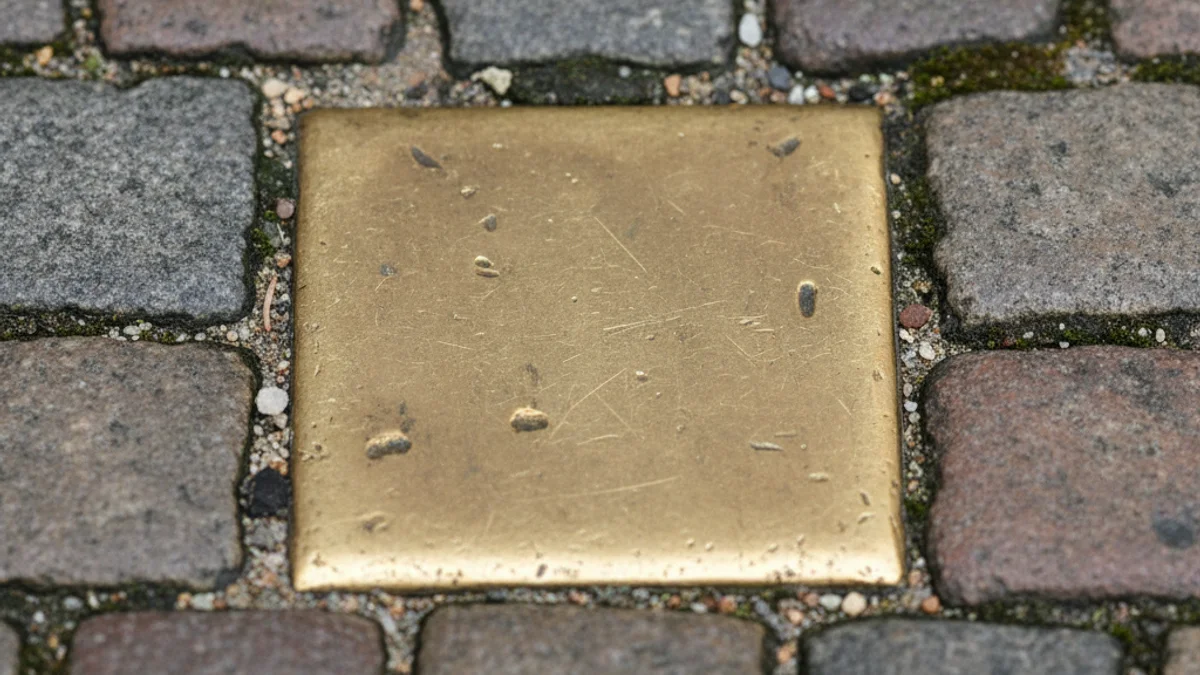
The second part of the tribute will move to Sant Jaume and Sant Francesc streets, where the Stolpersteine (stumbling stones) were installed. The theater company La Gata Borda, directed by the actress from Reus Ester Cort, will perform 'Posem-hi paraules' (Let's Put Words to It), three dramatic scenes inspired by the lives of the deportees. This performance is a preview of the show 'Escoltar el fum' (Listening to the Smoke), which will premiere at the Teatre Bartrina on February 7 and 8.
This commemoration is part of the democratic memory projects carried out by the Department of Good Governance, Transparency, and Participation, through the Municipal Archive. The research on the deportees was conducted with the help of the historian from Reus Joan Navais, consulting international archives such as the Service historique de la Défense in Caen and the Arolsen Archives, in addition to collecting oral history from the victims' families.