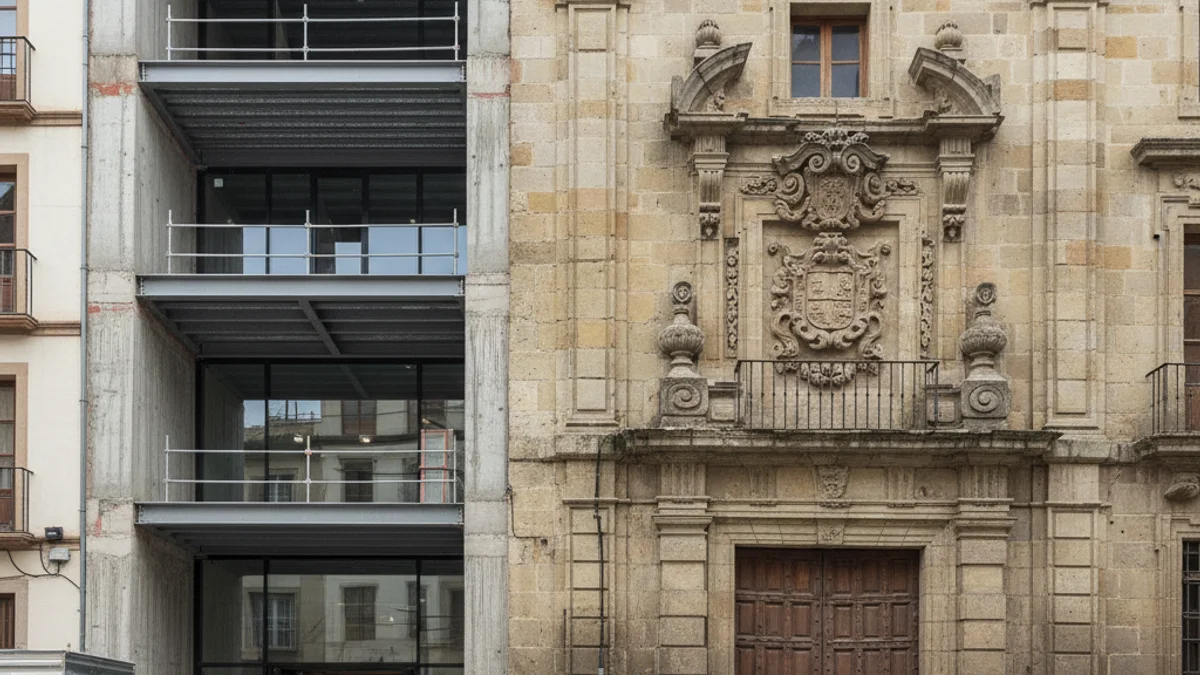
The Museu de Reus, located on Llibertat Avenue, reopened its doors this weekend after a comprehensive transformation of the space and an update of its exhibitions. The reopening, held on Friday, was presided over by the Minister of Culture, Ernest Urtasun, who reinforced the commitment to turn the Camp de Tarragona Metropolitan Area into a cultural development hub, with Reus as a key component.
This new cultural phase is accompanied by a total investment approaching 10 million euros. Over €2M has been allocated to the Museum by the Ministry and the City Council. Additionally, the Diputació (Provincial Council) and the consistory will contribute over €2M for the new Bravium theatre (provisional name) on Presó Street, €500,000 for the update of the Gaudí Centre, and €5M planned by the Diputació for an auditorium annexed to the Conservatori.
The Centre de Lectura is also a shared responsibility that exceeds the limits of the municipal area. Culture, in all its manifestations, is the best vaccine against injustices and demagogic populisms.
Despite the large investments in public infrastructure, the article focuses on the future of the Centre de Lectura, a private non-profit entity with 167 years of history. The maintenance of the Casal dels Tamarit, expansion works, and adequate staffing exceed the economic capacity derived from membership fees and current aid. The new president, Empar Pont, and her board are working intensely to address this challenge, continuing the work started by Lluís Miquel Pérez.
A call is made for the sensitivity and commitment of Minister Urtasun and the Minister of Culture of the Generalitat, Sònia Hernández, to seek collaboration formulas. The recently approved Tarraco Roman Heritage Consortium, promoted by the government of Salvador Illa, is proposed as a model of transversal cooperation to ensure that the Centre de Lectura remains an active part of the new cultural hub in Camp de Tarragona.