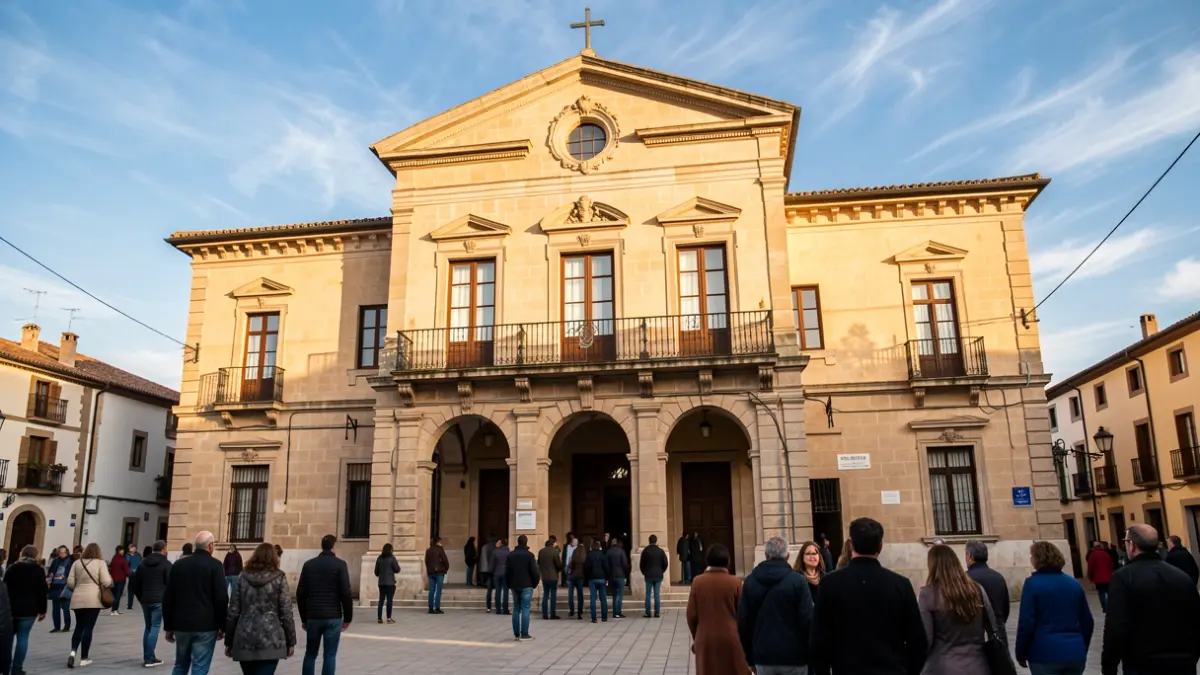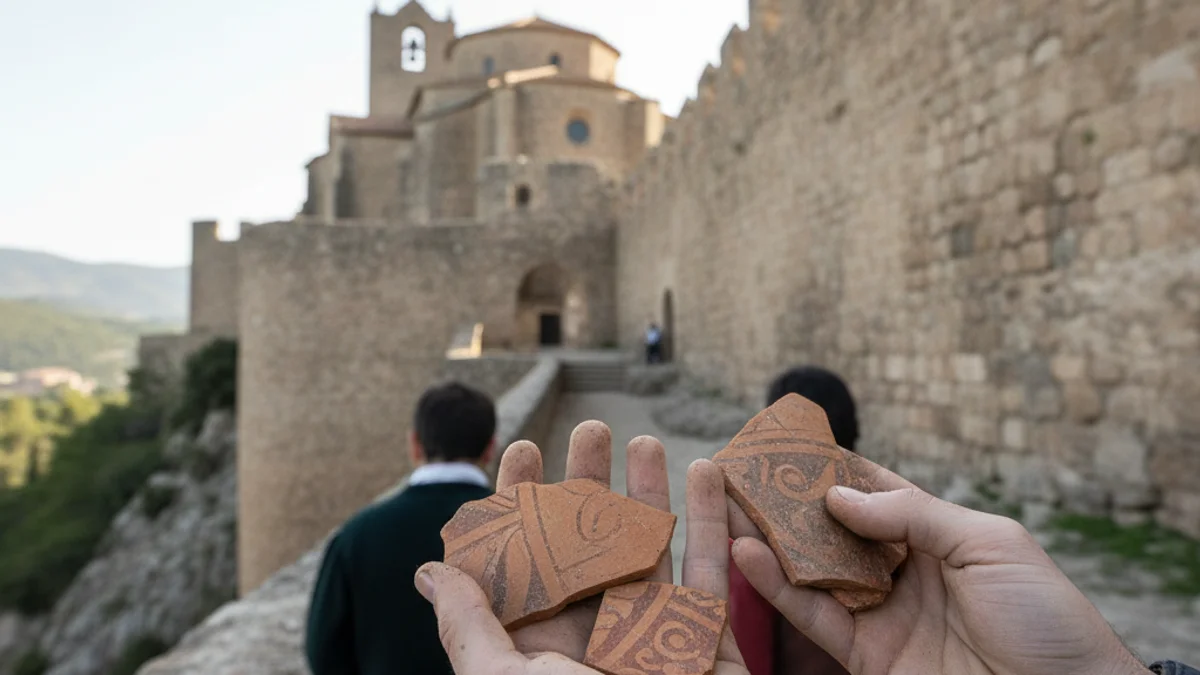
The incident occurred a few weeks ago at a wall surrounding the Nativitat de Santa Maria church. During an archaeological survey, expert Ramon Ferrer identified Iberian pottery fragments and elements from the Iron Age. This discovery marks a significant historical shift, as the earliest records of the fortress previously dated back to 1168.
“"We have made a leap of fifteen or twenty centuries in the history of the village. We have gone from the 10th century to confirming occupations in the 4th or 5th century BC."
Key finds include 'Sandwich' type ceramics and a 'swan-neck' jar dating between the 5th and 1st centuries BC. Older remains from the 13th century BC were also found, alongside Moorish artifacts and Spanish Civil War ammunition.
The Paüls City Council plans to further investigate the site. The artifacts will be housed at the Museu de les Terres de l'Ebre in Amposta, while the castle undergoes restoration funded by the 2% Cultural program.