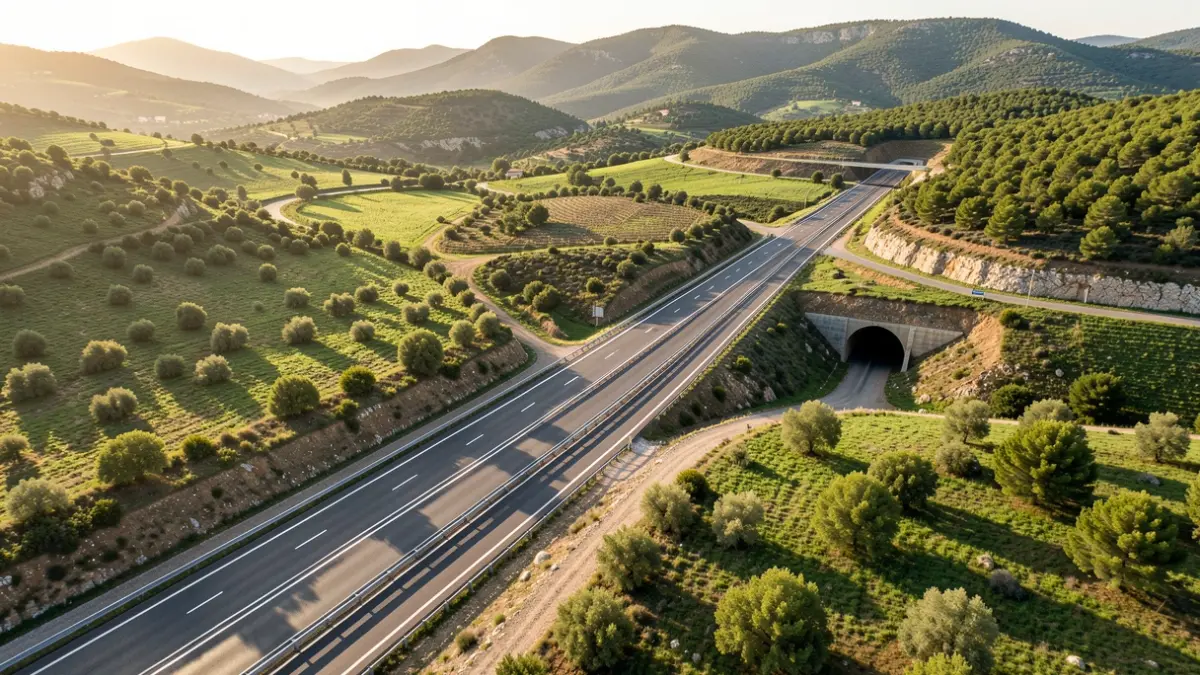
On February 1, 2008, the President of the Generalitat, José Montilla, officially inaugurated the new dual carriageway section of the C-31 between Palafrugell and Palamós. This infrastructure put an end to over twenty years of demands, delays, and controversies surrounding a road that had become insufficient for the traffic of the Costa Brava Centre.
The project, presented by the Generalitat in 2003, primarily aimed to resolve congestion and improve road safety on this stretch. The works, which began in November 2005, involved the municipalities of Palamós, Vall-llobrega, Mont-ras, and Palafrugell, and were part of the coastal axis and the Costa Brava ring road concept.
Spanning approximately seven kilometers with four lanes and a semi-underground passage through the town of Mont-ras, the new road represented an investment of 53.8 million euros and took over two years to complete. The improvement in speed and traffic flow between Palafrugell and Palamós, as well as the connection to services like the Hospital de Palamós, were evident benefits for users.
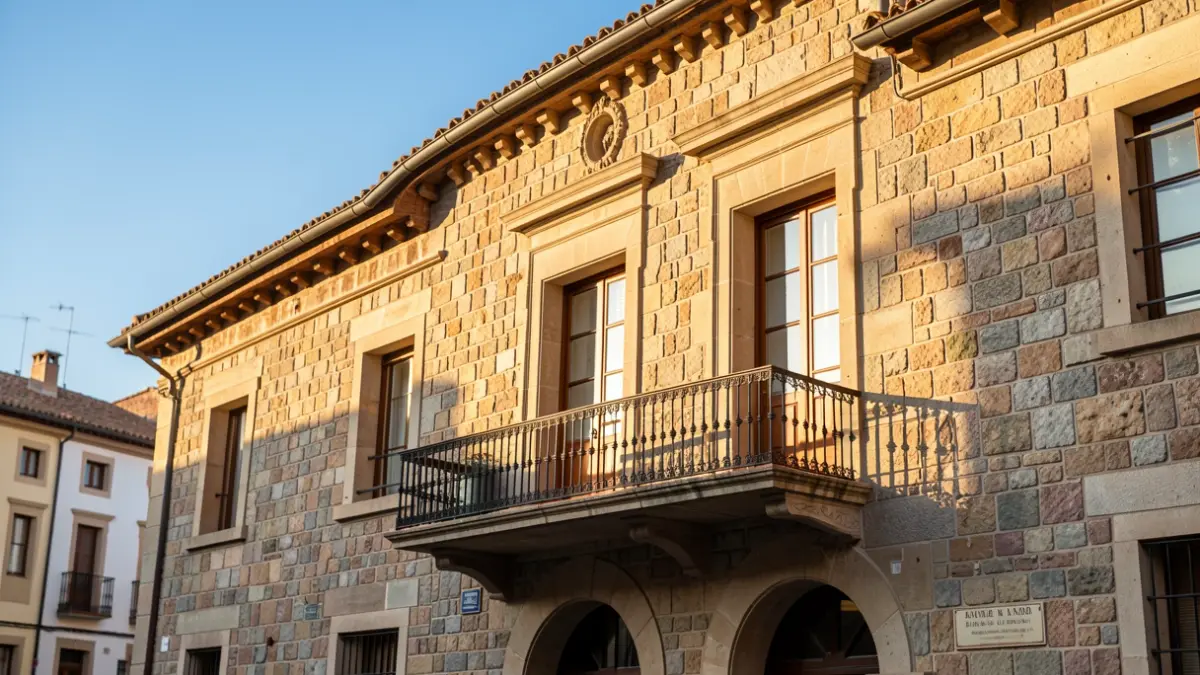
However, the new road sparked a profound debate. Despite being considered necessary, the project was described as harsh, expensive, and having a significant impact on the environment, particularly in Mont-ras. The passage through the town of Mont-ras involved demolitions, changes in access, and a physical division that many residents perceived as a wound, altering the area's daily landscape.
Roadside businesses also suffered the consequences of the works, with a loss of clientele due to constant changes in access and poor signage. Although some entrepreneurs positively assessed the accesses once the work was finished, the commercial cost of the construction was felt.
Political and social opinions were also divided. While from Palamós it was seen as an essential improvement, from Palafrugell the delay and lack of investment in public transport were questioned. In Mont-ras, it was viewed as an excessive intervention disrespectful to the town's harmony. Environmental groups like Salvem l’Empordà criticized the mobility model promoted by the highway and called for commitments such as a cycle lane and landscape restoration measures.
Looking back, the 2008 inauguration marked a turning point in Palafrugell's mobility, transforming the connection to Palamós into a fast route. Nevertheless, the dualling highlighted that major infrastructure projects solve problems while creating new ones, keeping alive the discussion about the mobility model needed for the Costa Brava Centre.