The anticipation of a premature baby often brings stress, fear, and insecurity. For this reason, the Sant Joan de Déu Barcelona Hospital offers a support program for these families. As part of this service, a pilot test has been implemented to analyze the benefits of recreating the hospital admission experience through simulation.
According to Blanca Muñoz, a pediatric nurse with over twenty years of experience in prematurity, the results from the pilot study involving 50 pregnant women and their partners have been very positive. Participating families reported less stress both in the prenatal and postnatal periods.
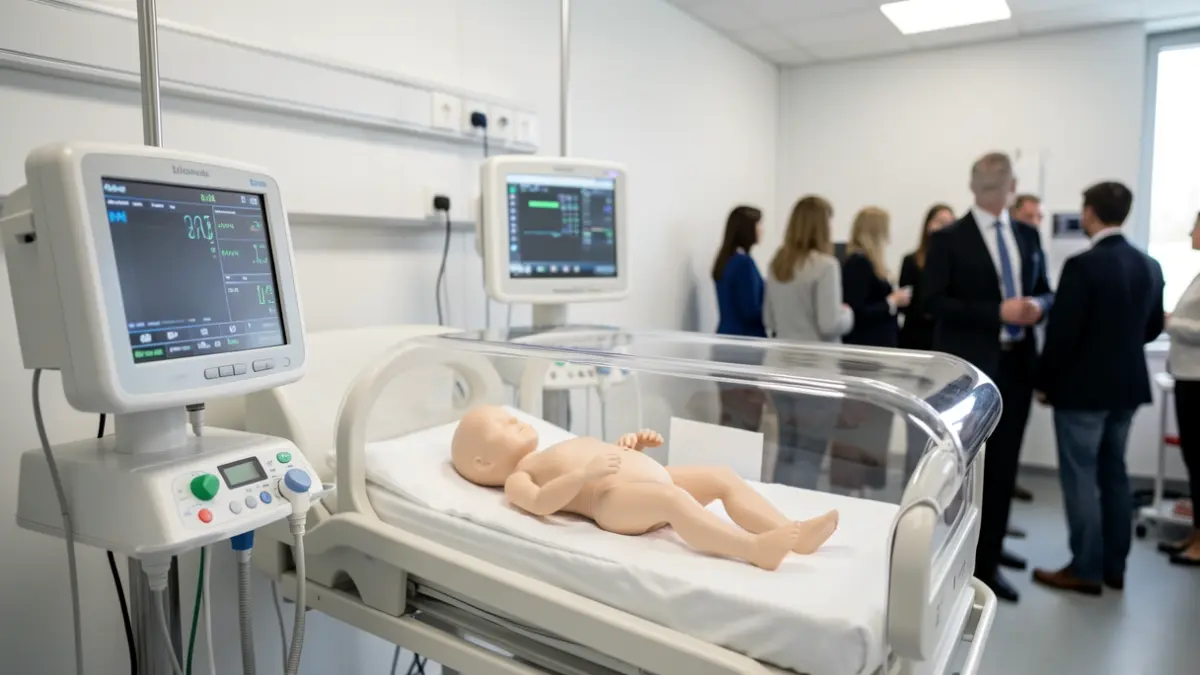
The simulation involves recreating the space where they will stay during the admission, including an incubator, monitors, and a mannequin with characteristics similar to the baby's. This allows families to touch the doll, hold it, and practice the skin-to-skin technique in a safe and controlled environment, offering technical and emotional learning that fosters greater security.
The prematurity rate at the Sant Joan de Déu Barcelona Hospital is 9%, equating to approximately 300 such births annually. The specific prenatal care program, implemented in 2017, aims to provide health information, detail future events, and define the parents' role.
In addition to simulation, visits to the unit, introductions to the medical team, and meetings with other families in similar situations are organized. "It's a way to offer them emotional support and involve them in decision-making. If we want to care for premature babies, we must also care for their families," Muñoz advocates.
Natalia and Pablo, parents who participated in the program after a premature water breaking at 30 and a half weeks, describe the simulation as a very real experience. "We put ourselves 100% in their shoes," they state, expressing their satisfaction with the service received.
The hospital emphasizes the importance of family involvement from the outset for the baby's neurodevelopment. The facilities include rooms with beds, showers, and family areas, also accommodating siblings, providing confidence and tranquility.