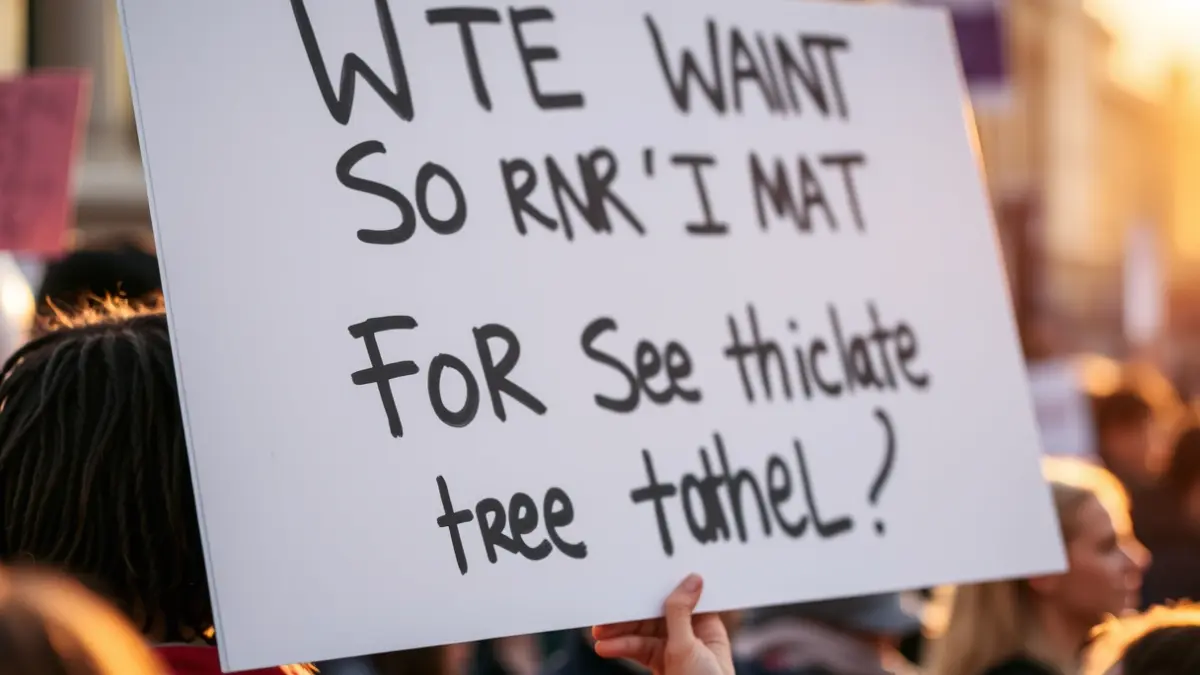
This new cycle of mobilizations follows the success of last March's stoppages, with three unified strikes across the country and the rest distributed by territories. Beyond strikes, teachers are considering other actions to broaden the message of their demands and force the Government to renegotiate the agreement signed with only a portion of the unions.
One of the alternatives gaining momentum is the refusal to organize school trips and camps. This measure, which in the past led to compensation from the administration, has begun to cause concern in the educational leisure sector. Following initial cancellations, an entity in the sector has warned that impacts could reach 70% next academic year, jeopardizing 300 jobs. Another business association in the sector also fears a “serious” situation that could affect 5,000 workers nationwide.
Other proposals emerging from the assemblies include ceasing to hold graduations and parties outside school hours, organizing synchronized pot-banging protests, wearing mourning clothes on Mondays or protest t-shirts on Wednesdays, or reducing work-related communication outside school hours. More symbolic actions have also been suggested, such as turning protest banners upside down or a “symbolic burning” of bureaucracy. A major union has compiled these proposals, including more forceful measures like abolishing educational proposals from private companies or organizing weekly road blockades.
Assemblies in Alt and Baix Penedès have already agreed to implement some of these measures, such as suspending non-essential trips, halting non-essential activity on social media and websites, and canceling festive and recreational activities outside school hours. In these areas, withdrawing participation from non-essential training and projects promoted by the department has also been considered.
“"It is true that there are certain dangers, but only the administration can avoid them."
A union has drafted a “decalogue of resistance actions” to keep the conflict alive, based on the premise that teachers work more hours than contracted. Proposals include adhering to the 37.5-hour work week, performing only assigned duties, adjusting tutoring to scheduled hours, counting training hours as worked, limiting work communication to internal channels, and exclusively using teaching materials provided by the school. However, the same union warns that these measures must be “correct and coherent” to avoid “interpersonal conflicts” or “unnecessary discomfort” in schools.
These actions are justified by the results of a recent teacher survey, where eight out of ten participants requested more strike days. Tension became evident with a student protest in Valls, where a student spokesperson, who had been the first secretary of a political party's youth wing, expressed concern about the potential cancellation of school camps. The union has accused the youth wing of this party of instrumentalizing students in this protest.