The Catalan capital is experiencing difficult days for allergy sufferers, with a notable presence of plane tree, oak, holm oak, and parietaria pollen. However, the plane tree is the main cause of spring discomfort.
With 43,212 specimens, plane trees represent 6.6% of Barcelona's urban tree population. These trees, present for centuries and a symbol of La Rambla since 1548, were an effective solution due to their shade and resistance to urban conditions. Currently, however, their flowering releases large quantities of pollen that cause itching in the eyes, nose, and throat.
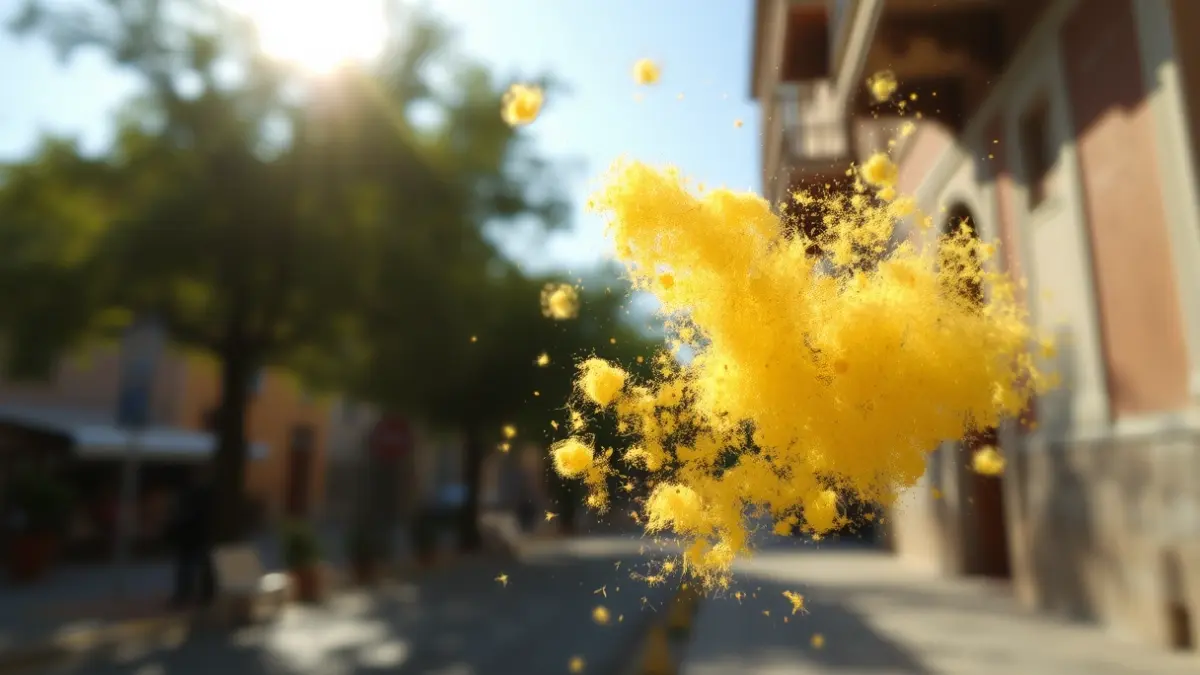
The Eixample and Sant Martí districts are the most affected, a legacy of the Pla Cerdà, when the plane tree was an economical and easy-to-plant species. Dry and windy days intensify the phenomenon, covering streets and balconies with a "yellow rain" and increasing allergic symptoms among the population.
“"Plane trees are not as useful now as they once were, precisely because of their impact on health and the accumulation of pollen in the streets, which then needs to be cleaned."
The high concentration of pollen not only affects known allergy sufferers but also causes discomfort to people with no history of allergies. Symptoms include sneezing, nasal congestion, throat itching, and red eyes, known as seasonal allergic rhinoconjunctivitis. In more severe cases, it can lead to respiratory complications such as irritating cough or asthma, requiring medical attention.
To minimize exposure, specialists advise avoiding walking under trees in the early morning and mid-afternoon, checking pollen levels, keeping windows closed at home and in the car, and using sunglasses and a mask. Upon returning home, it is recommended to shower, change clothes, and perform nasal or ocular washes. Indoors, it is helpful to frequently clean surfaces, avoid drying clothes outdoors, and consider using an air purifier with a HEPA filter.