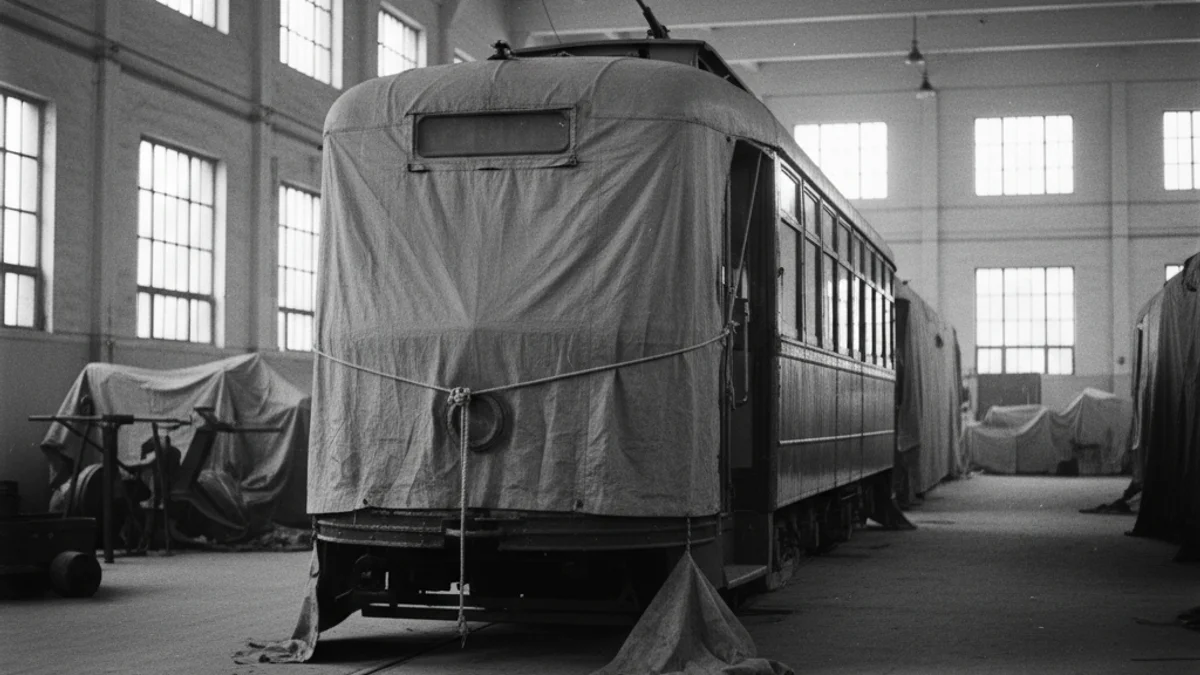
The initiative, promoted by the Coordinating Association Pro Barcelona Transport Museum, managed to force the debate in the municipal chamber. Its president, Ferran Armengol, defended the suitability of the former Palau de Comunicacions i Transports, owned by the administration, as the main location, despite previous attempts by the Jaume Collboni executive to divert the project to the Vall d’Hebron slab.
“"The people of Barcelona want the Transport Museum. We agree on the final objective and the model; the only problem is where we put the final stop for this project. We have a clear proposal that is the best and only option."
The First Deputy Mayor and president of TMB, Laia Bonet, confirmed the government's partial retreat, accepting the creation of the commission to analyze the viability of the exhibition venue. However, Bonet stressed that the City Council is not ruling out the Vall d’Hebron proposal, as it would allow the project to be “unblocked much faster,” while proudly assuring that the museum “will be a reality.”
The opposition groups supported the citizen initiative but were critical of the government's management. Pau González (Comuns) regretted the “discredit” of the municipal management, while Rosa Suriñac (Republican) denounced an “institutional neglect of heritage.” For his part, Antonio Verdera (PP) described the postponement of the project as “political negligence,” and Liberto Senderos (Vox) praised the tenacity of the promoters against the “bureaucratic wall.”