These interventions, initially created through tactical urbanism during the pandemic, are now in the technical project tender phase. Unlike other more central and debated actions, such as the Sant Antoni superilla, this package of improvements focuses on proximity and primarily school environments.
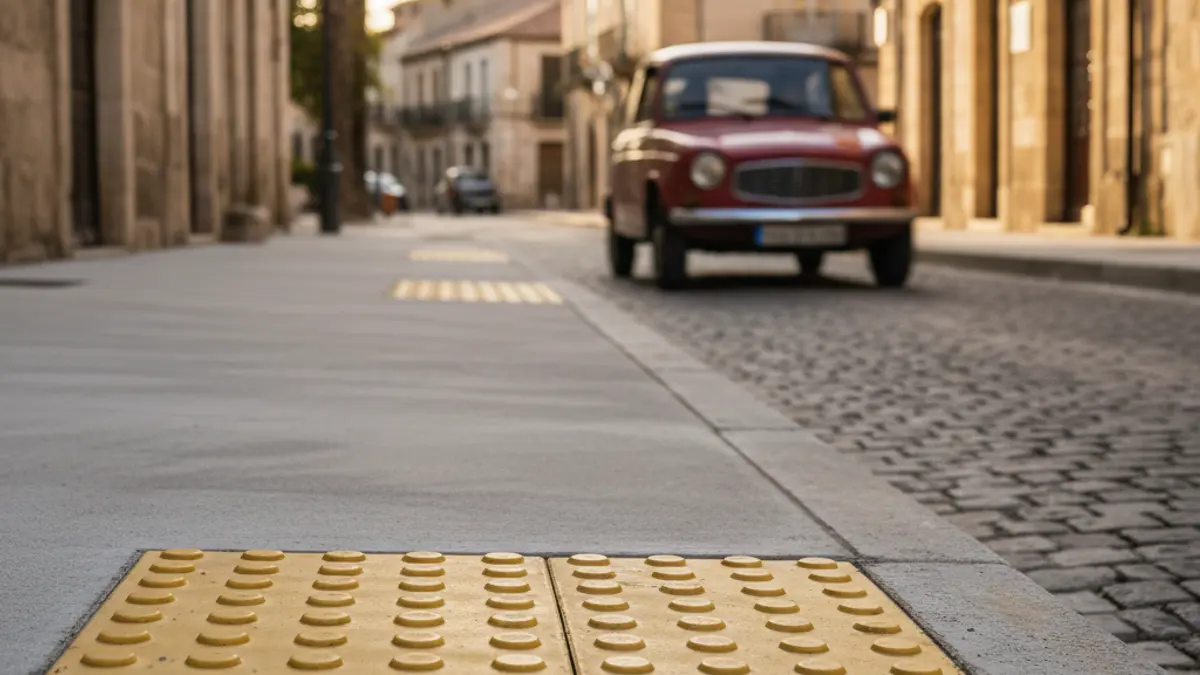
The transformation will mainly consist of widening sidewalks or corners with fixed paving, as well as leveling some roadways with single platforms. The goal is to replace colored paint with more durable and aesthetic paving. The actions will be distributed across six of Barcelona's ten districts: Sants - Montjuïc, Sarrià – Sant Gervasi, Sant Andreu, Eixample, Horta – Guinardó, and Nou Barris.
“"They are part of the participatory budgets; there is no calendar yet."
The area to be redeveloped is relatively small, ranging from 250 to 1,900 square meters per location. The tender for the technical projects is managed by the municipal company BIMSA and has an estimated value of almost 344,000 euros. The drafting phase is expected to last nine months. Once the projects are completed, BIMSA estimates that the total cost of the works will amount to approximately 5.5 million euros, including VAT.
Among the benefited areas are Hostafrancs and Poble-sec, with interventions on streets such as Leiva and Puig i Xoriguer to protect school environments. In Sarrià-Sant Gervasi, a single platform will be studied on Lincoln street and Vendrell street in Bonanova. In the Congrés neighborhood (Sant Andreu), the south sidewalk of Can Ros street will be widened. Two corners of Aragó street, at the intersections with Roger de Llúria and Pau Claris, both near schools, will also be made permanent.
In the Horta district, the intersection of Can Pujolet, Peris Mencheta, and Baixada de Can Mateu streets will undergo improvements, with single platforms and wider sidewalks. Finally, in Nou Barris, Orduña street in Turó de la Peira and Les Torres street in Roquetes will have their sidewalks widened to improve accessibility in school environments.
The city council justifies this consolidation by arguing that tactical urbanism, despite being initially quick and cost-effective, has proven to have high maintenance costs. Therefore, a permanent solution is sought that prioritizes people, durability, energy efficiency, and adaptability to future changes, ensuring the proper functioning of city services.