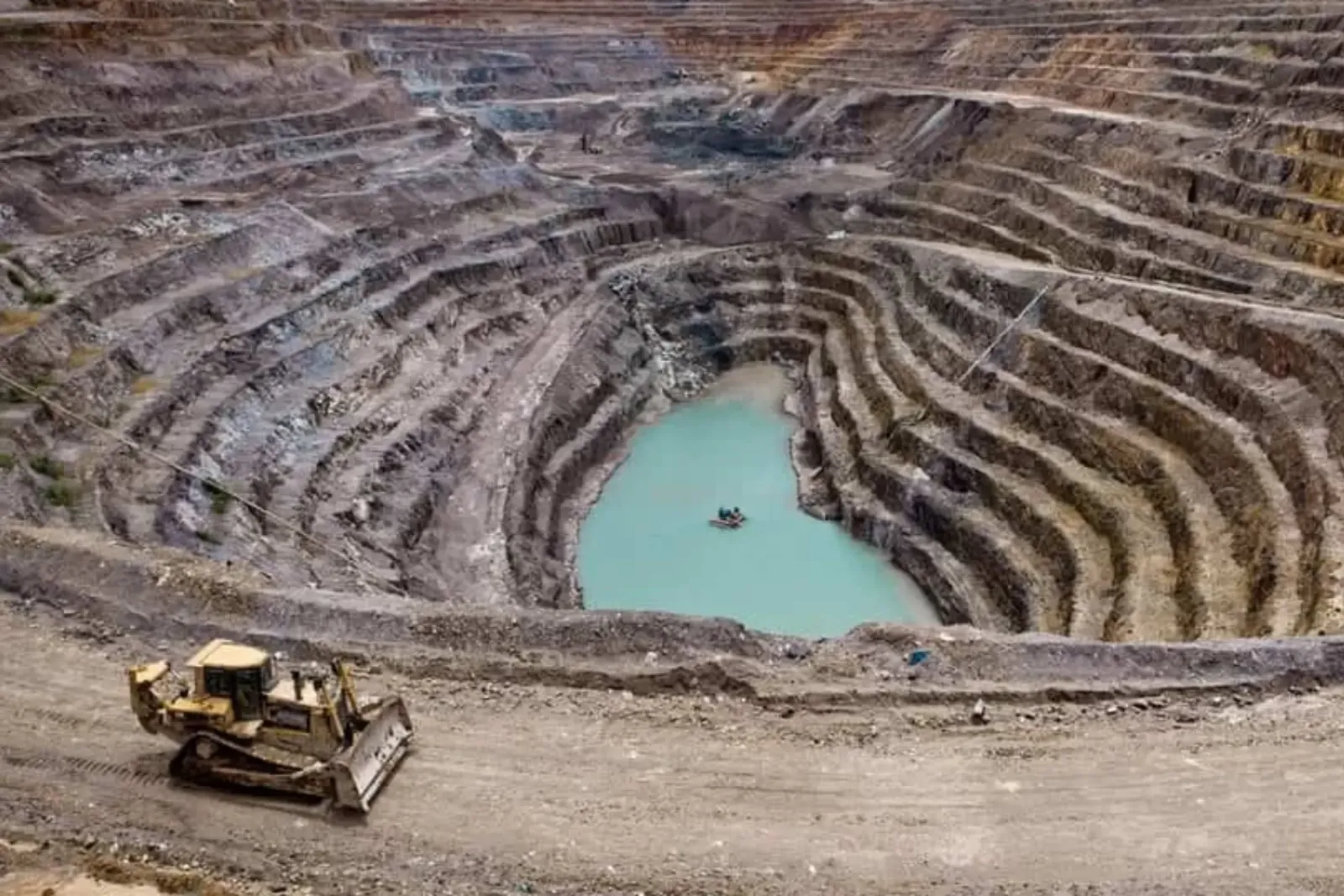
The global demand for critical minerals and rare earths has grown significantly, influenced not only by the energy transition and digitalization but also by global rearmament, increased military spending, and the development of artificial intelligence (AI). These factors have made mineral extraction a strategic issue for the military and technological industries, with direct consequences for the territories and communities affected.
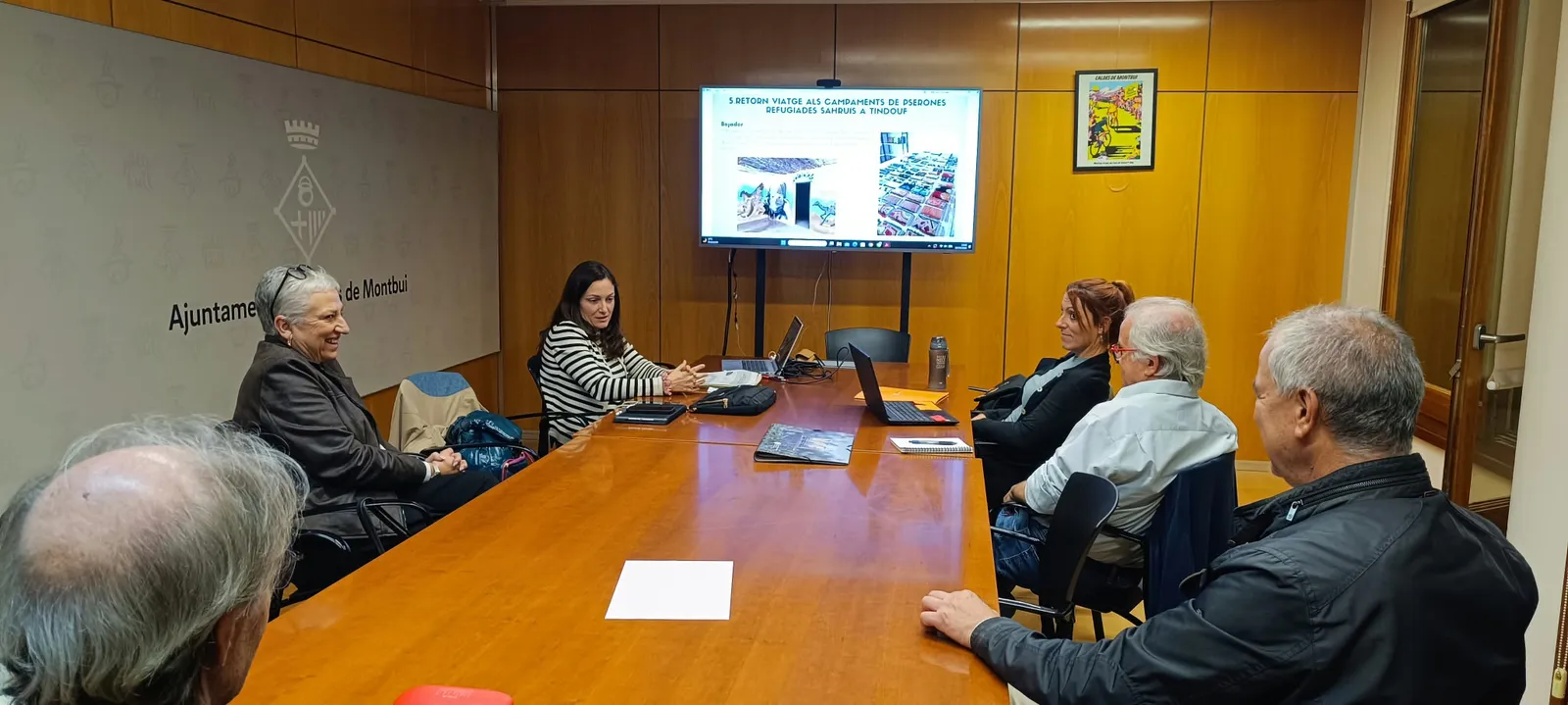
To analyze these dynamics, on October 23rd, the ICIP, the Observatory on Debt in Globalization (ODG), the Barcelona Institute of International Studies (IBEI), and the Festival for the Future organized the dialogue "Rare Earths: Minerals for War" at the Hub Social in Barcelona. The event featured interventions by Julie Klinger, a professor at the University of Delaware, and Lars-Marcus Lilja Kuhmunen, leader of the indigenous Sami community of Gabna (Sweden). Journalist Núria Jar moderated the conversation, supported by the European Union and the City Council of Barcelona.
Julie Klinger questioned the notion that rare earths are scarce minerals, pointing out that their importance lies in their magnetic, conductive, and optical properties. She warned that the narrative of scarcity is used to fuel financial speculation and legitimize new extractive projects, highlighting the environmental costs of their processing, which generates toxic wastewater and radioactive waste.
The researcher emphasized the role of the military-industrial complex and AI in increasing demand. Rare earths are essential for modern weaponry components such as drone navigation systems, precision bombs, fighter jets, and rockets. The construction of data centers and digital infrastructures for surveillance and automated warfare also increases the need for these minerals, linking the technological race, rearmament, and mining expansion.
The testimony of Lars-Marcus Lilja Kuhmunen reflected the human dimension of the extractive model. He explained how the Per Geijer mining project by the Swedish state-owned company LKAB threatens the indigenous Sami community of Gabna, whose life depends on the transhumant reindeer herding for over 500 years. The new mine would disrupt the herds' migratory routes, and mining dust would contaminate vegetation.
“"The launch of this new mine would sacrifice my community and my children's future, erasing Sami culture and our traditional way of life. It is extremely painful to realize that this sacrifice is not made for any ecological transition, but to fuel wars elsewhere in the world."
Kuhmunen also alerted to the lack of legal protection for his people's rights in Sweden, which has not yet ratified Convention 169 of the International Labour Organization. The Gabna community has initiated legal actions to raise international awareness of their case.
The dialogue addressed China's dominance in the global supply and processing chain of rare earths. Klinger explained that this position is due to decades of public investment in research and industrial capacity, while Western countries outsourced mining activities to China. The current geopolitical rivalry has made this dependence a matter of strategic security, driving new mining projects in the West, although Klinger warned that this does not necessarily imply more sustainable practices.
As alternatives, recycling and demand reduction were discussed. Klinger argued that recycling technologies already allow for the recovery of rare earths from electronic waste and end-of-life vehicles. She pointed to the need to redirect public subsidies towards waste management, designing products that are easier to repair and dismantle, and promoting the circular economy, as well as reducing demand associated with military and technological expansion.
The session underscored the need to connect the anti-militarist and environmentalist agendas, questioning unlimited growth, reducing military spending, and guaranteeing the rights of indigenous peoples to move towards a security model centered on people and planetary sustainability.