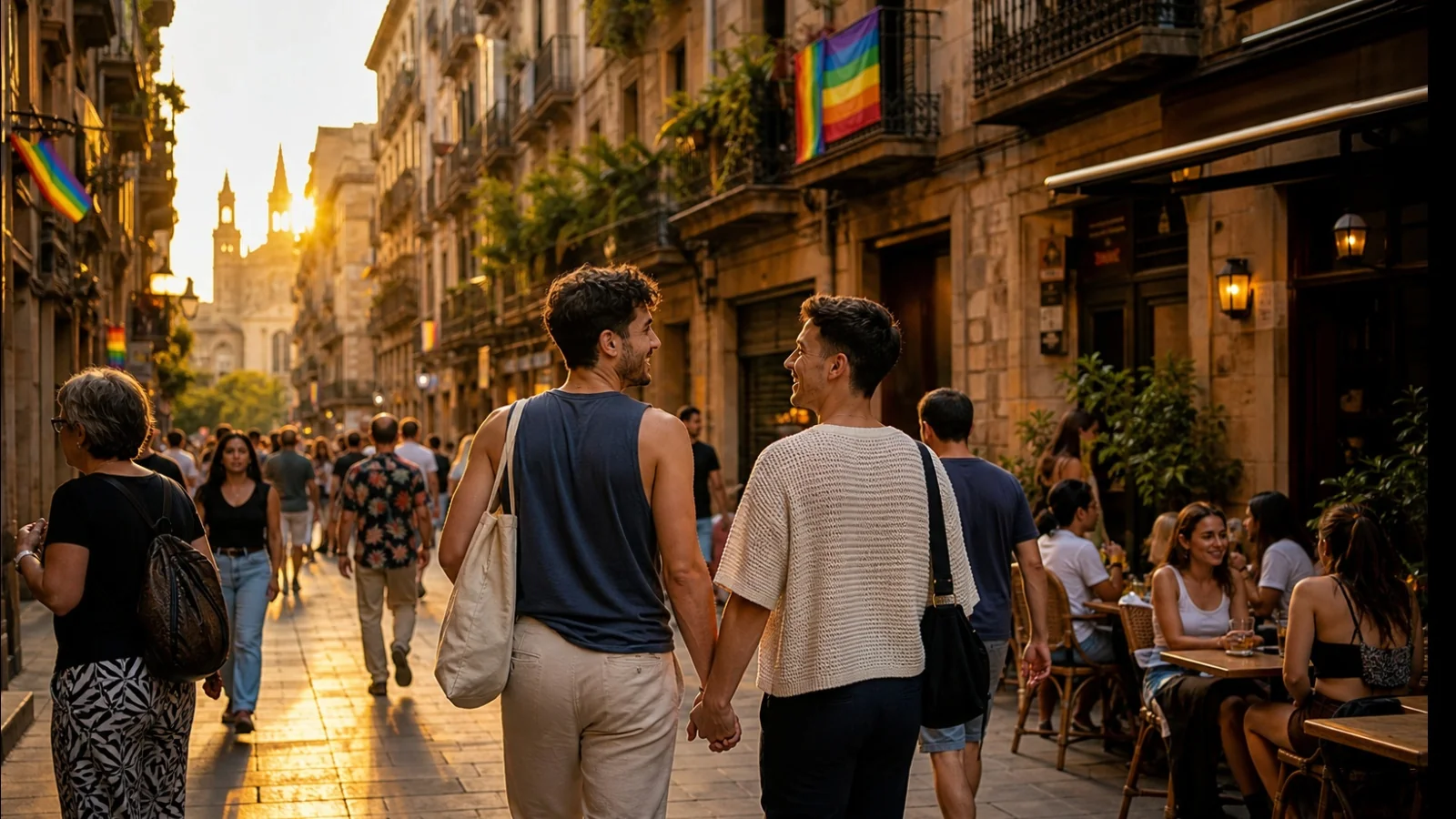
June once again places something as basic as it is complex at the center of public debate: the right to love in freedom and to build meaningful bonds beyond sexual orientation or gender identity. Beyond the celebration of legal and social advances, this date also invites us to reflect on the type of society we are building and on the way we understand affective relationships.
From the perspective of couples psychotherapy, the relationships of the LGBT+ community offer a particularly revealing look at these changes. They are a reflection of a society that has gained in freedom and visibility, but that still lives with the emotional consequences of years of silence, prejudice, and exclusion.
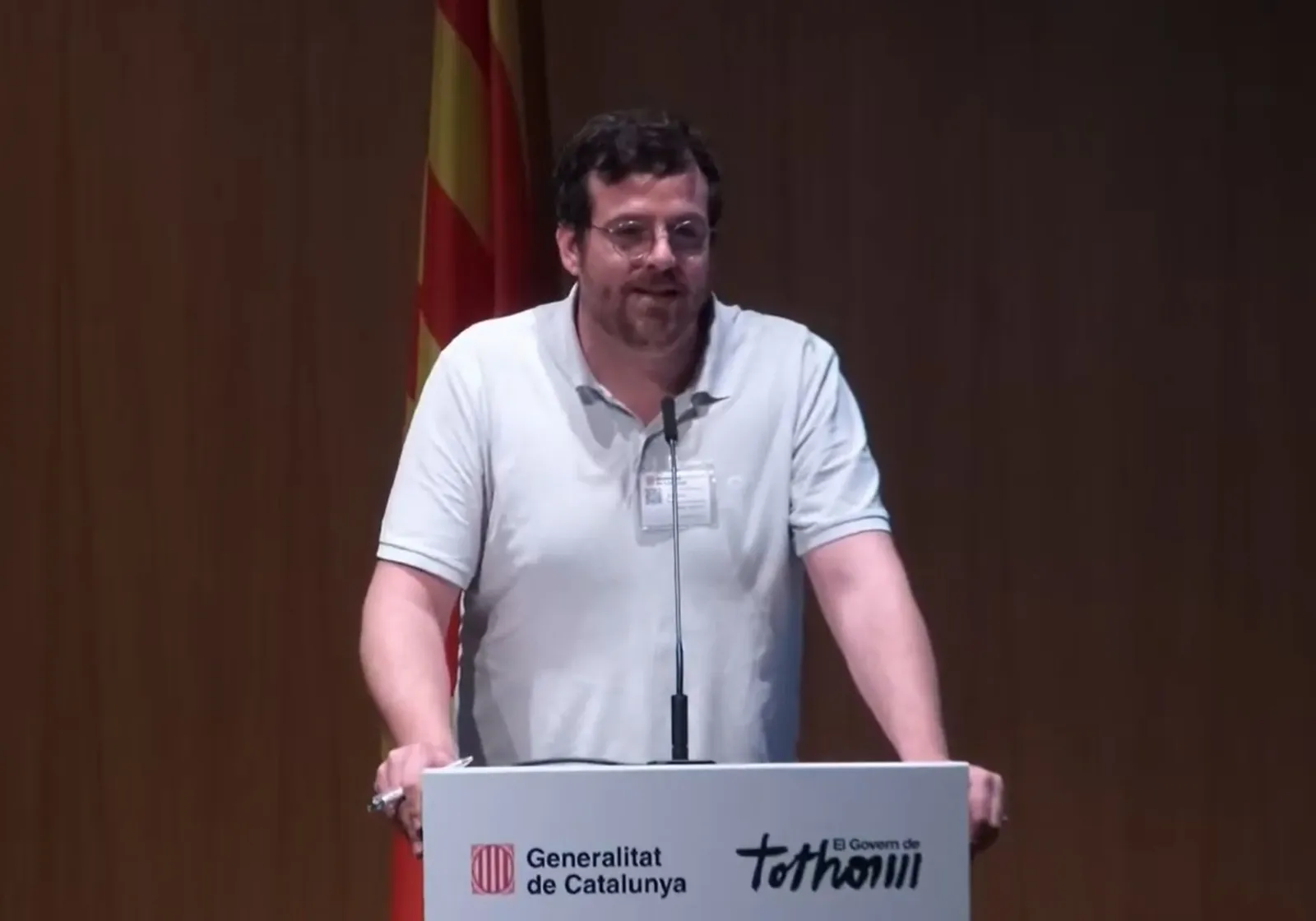
In this context, Lola Sanmartín, founder of Enterapia Psicoterapia and specialist in LGBTQ+ couples therapy, carries out her work. With more than two decades of clinical experience, and having witnessed the social transformation experienced since the 80s, she observes that, although the current context is much more open than it was then, some emotional traces continue to appear recurrently in consultation. One of them is shame. But not only the shame of showing oneself, expressing affection in public, or speaking openly about one's own relationship. As Sanmartín explains, it is often a deeper and more internalized shame, the result of having grown up in a society that for a long time considered only one way of loving to be legitimate.
“Many people have grown up hearing, explicitly or implicitly, that their way of loving was worth less than others. The wound was not in loving differently, but in having learned that this difference could be a reason for rejection,” the therapist points out. That experience leaves a mark that is not always visible from the outside. It can manifest itself in difficulties in feeling fully valid, worthy of love, or free to occupy space within one's own relationship. “It is not just fear of external judgment; it is the pain of having learned to look at oneself through that judgment,” adds Sanmartín.
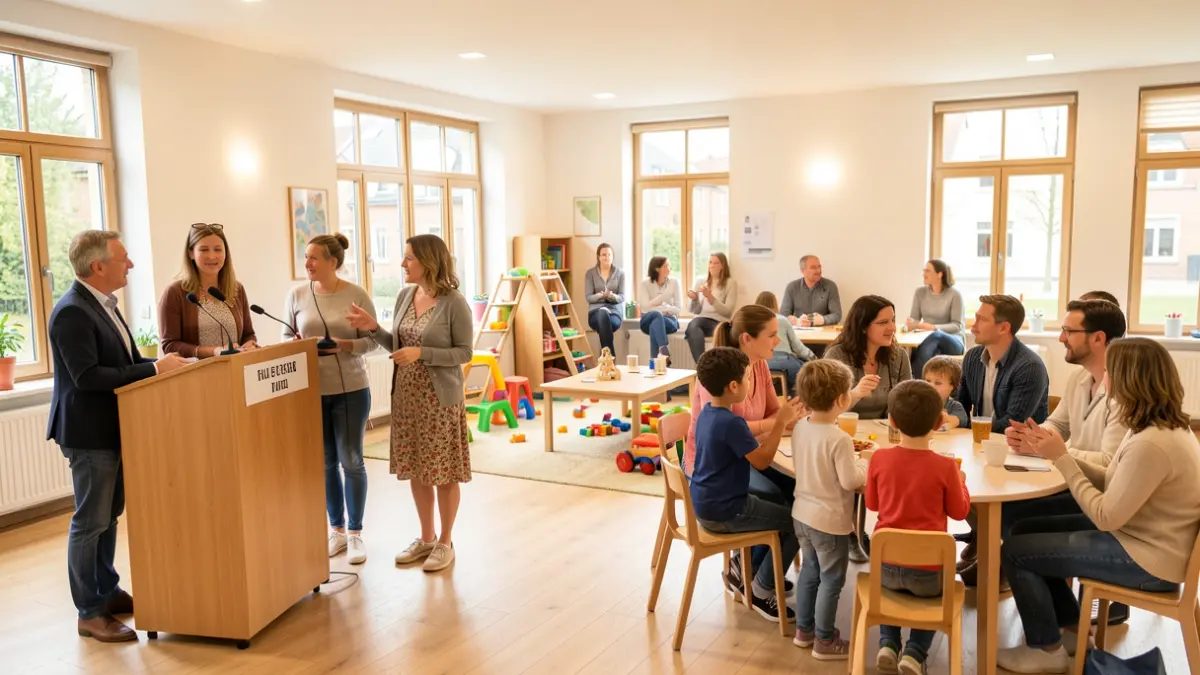
Precisely for this reason, specialists in couples therapy emphasize the importance of having safe therapeutic spaces, where no one has to justify themselves for being who they are or for whom they love. Therapy thus becomes a place to explore difficulties, differences, and desires without fear of judgment, especially for those who have lived through experiences of discrimination, invisibility, or rejection.
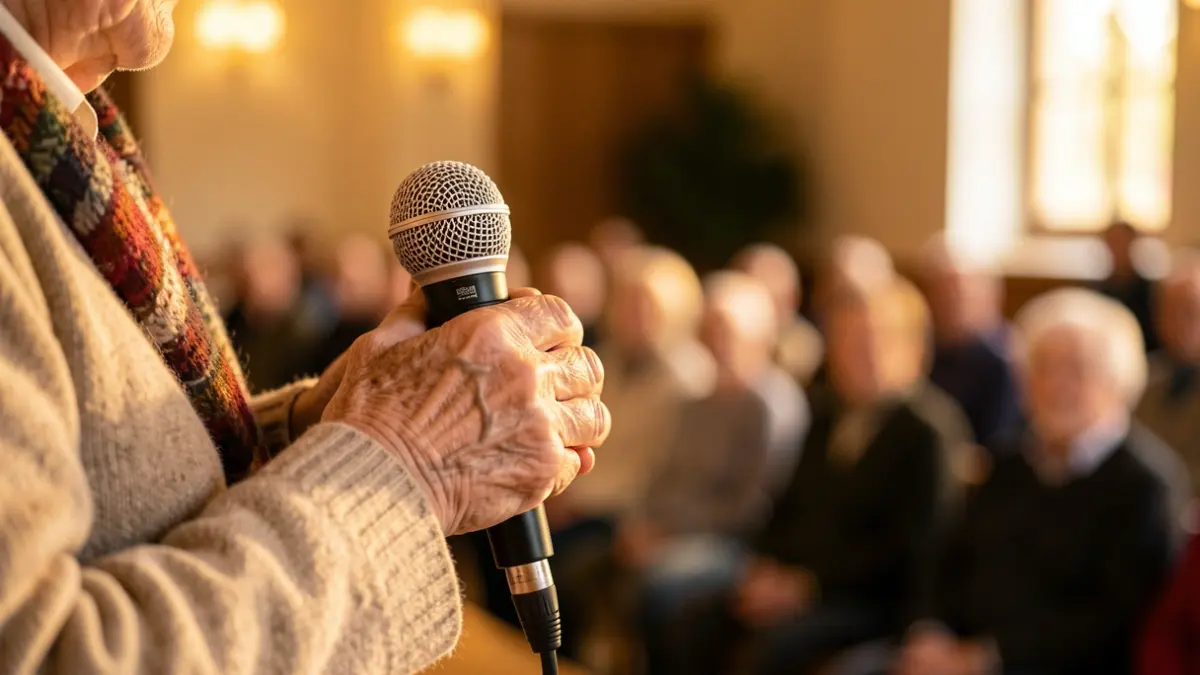
“"What I am most proud of is being able to create spaces for listening: places where people can talk about their fears, their conflicts, their longings, and their bonds without needing to hide. Spaces where every story can be heard and recognized with respect"
However, the challenges of current couples go far beyond sexual orientation. Inherited models are no longer enough to sustain contemporary relationships. Every couple, LGBT+ or heterosexual, faces the task today of building their own agreements, reviewing expectations, and finding a balance between the shared project and individuality. “It is not just about being together, but about understanding who each person is within the bond and what they need to feel respected,” explains Sanmartín.
In this sense, diverse couples provide a particularly valuable lesson: the need to build the relationship from conversation, reflection, and agreement, rather than from external norms or pre-established scripts. The absence of closed models has led many of them to develop forms of coexistence based on a more conscious negotiation of their needs and limits.
According to the therapist, what sustains a long-term relationship is not the label it receives, but what is listened to, negotiated, and cared for. From this perspective, affective diversity becomes a learning space that can inspire any couple model.
According to the therapist, what sustains a long-term relationship is not the label it receives, but what is listened to, negotiated, and cared for. From this perspective, affective diversity becomes a learning space that can inspire any couple model.
Clinical experience also allows us to observe a profound transformation in the ways of loving. Today there is more freedom than decades ago, although not complete freedom nor one exempt from resistance. Prejudices and inequalities persist, but so does a growing social capacity to listen without rushing to judge, to understand without demanding uniformity, and to recognize the richness of human diversity. In that sense, society should perhaps feel prouder of everything it is building. Not only of the rights won, but also of the growing capacity to recognize the dignity of all people and all forms of love. Because true Pride does not consist only in being able to love freely. It also consists in building a society capable of welcoming that love with naturalness, respect, and humanity.
And on that path, explains Lola Sanmartín, couples—of whatever sex—continue to remember something essential: that all people share the same need to be seen, understood, and accompanied in their bonds. Perhaps it is precisely there, in the gaze that recognizes the other, where the society we are still learning to build begins.