The intellectual Clorinda Matto de Turner (born in the Cusco region, Peru) was commissioned by the Republic of Argentina in 1908 to study educational policies for girls across Europe. Exiled in Buenos Aires, Matto de Turner was known for advocating for women's freedom through education and economic independence.
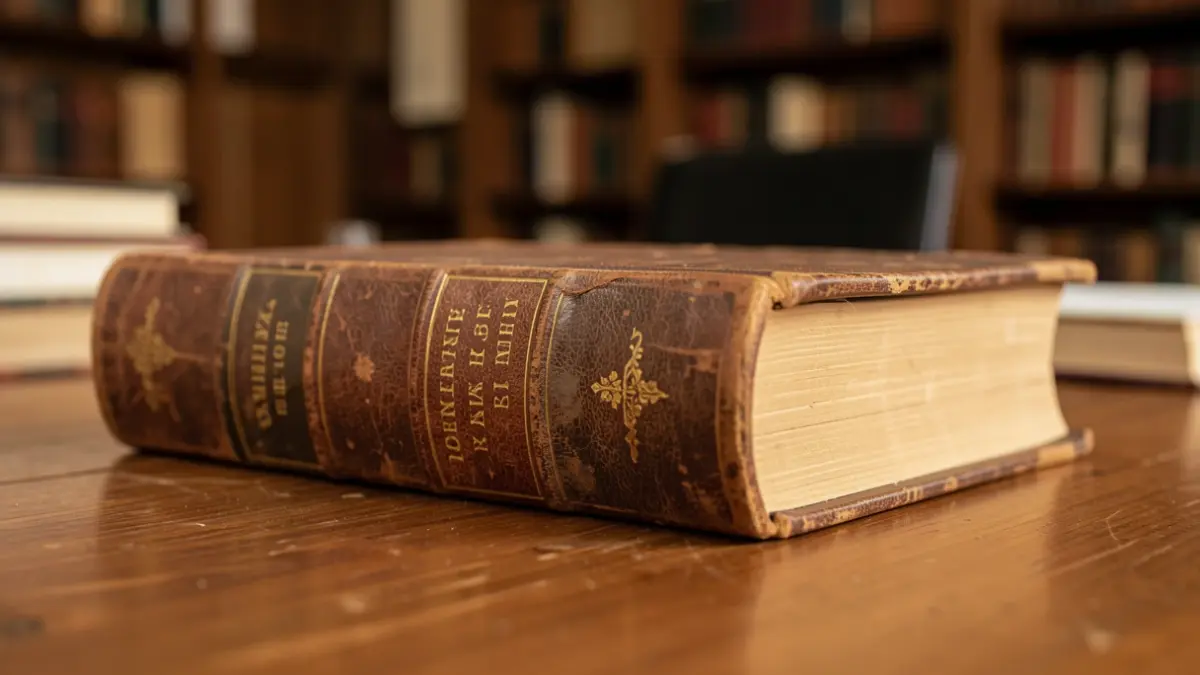
During this tour, the writer visited Barcelona, a stop she documented in her travel notes. These observations were published posthumously in 1910 under the title Viaje de Recreo, just months after her death in Argentina.
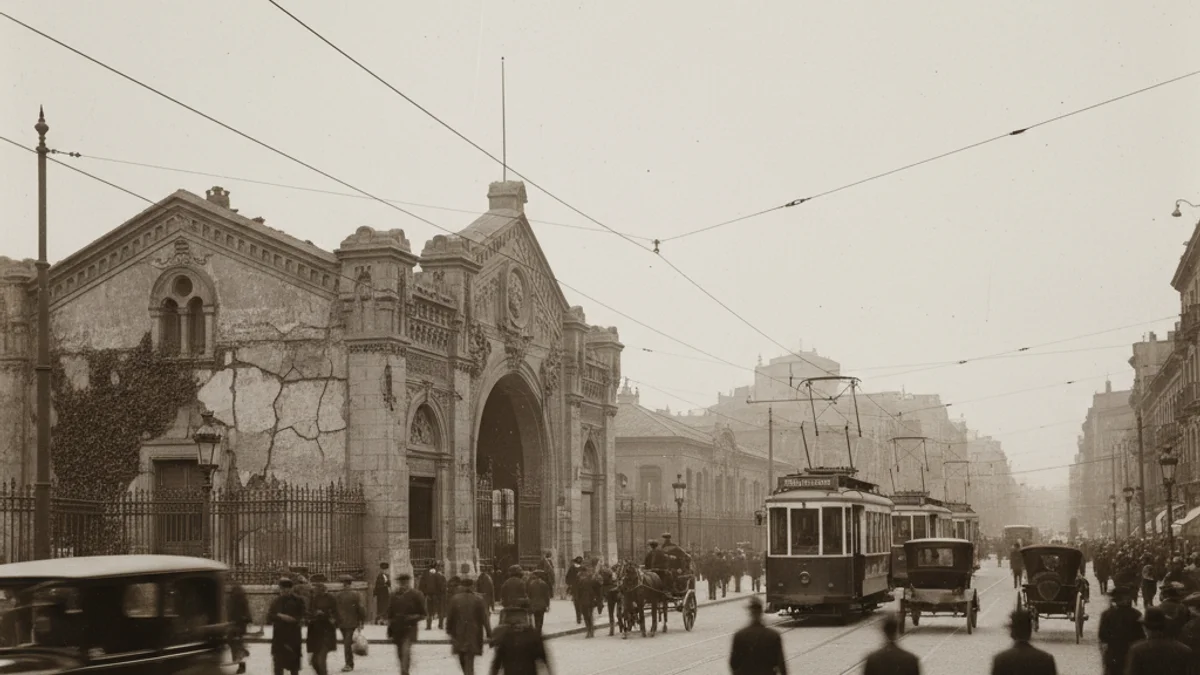
“"The commercial movement is extremely active in Barcelona, and the locomotion systems are the latest in the nomenclature of invention: electric trams and omnibuses, automobiles, etc.; and I cannot explain why, in this competition of progress, it maintains the railways in their almost primitive state, and with a very poor service."
In the chapter dedicated to the Catalan capital, Matto de Turner highlighted the city's great industrial capacity, which manufactured “from the paper that drives science to the cigarette that poisons,” and the advanced state of its trams and automobiles. However, the contradiction with the railway service was already evident upon her arrival at the port of Barcelona.
This observation, made over a century ago, underscores the persistence of problems within the Catalan railway network, a fact that, according to the article's author, often elicits a reaction of “perhaps nervous laughter” from the public who recognize that the situation has dragged on for too long.