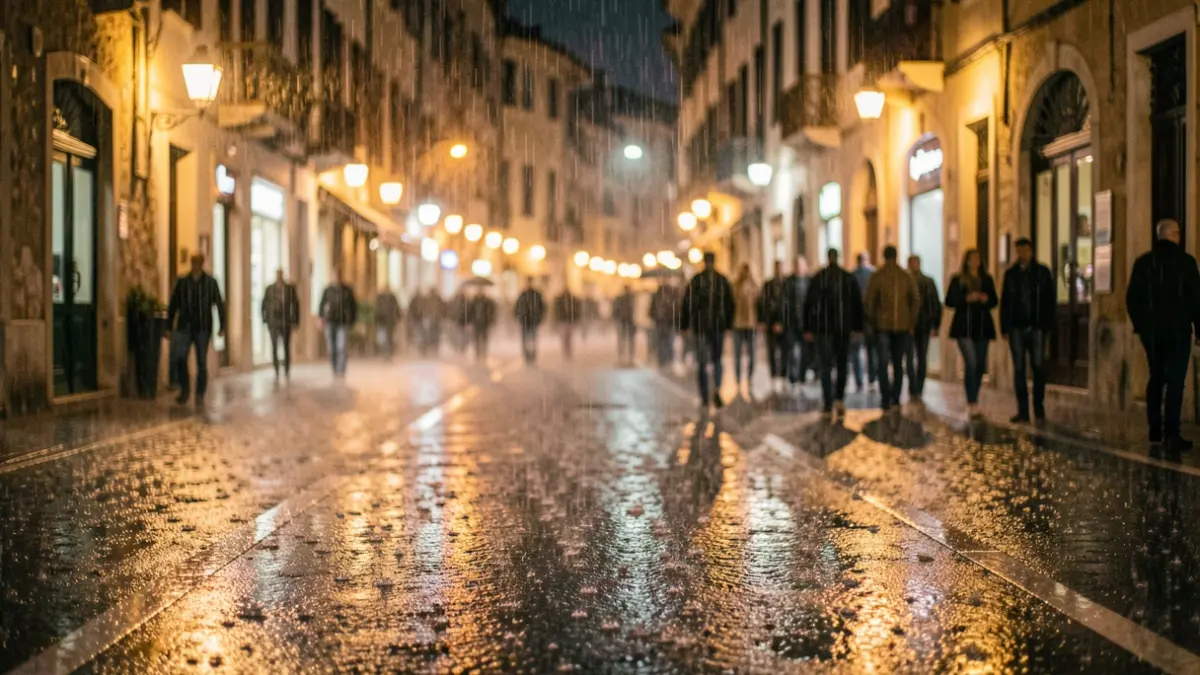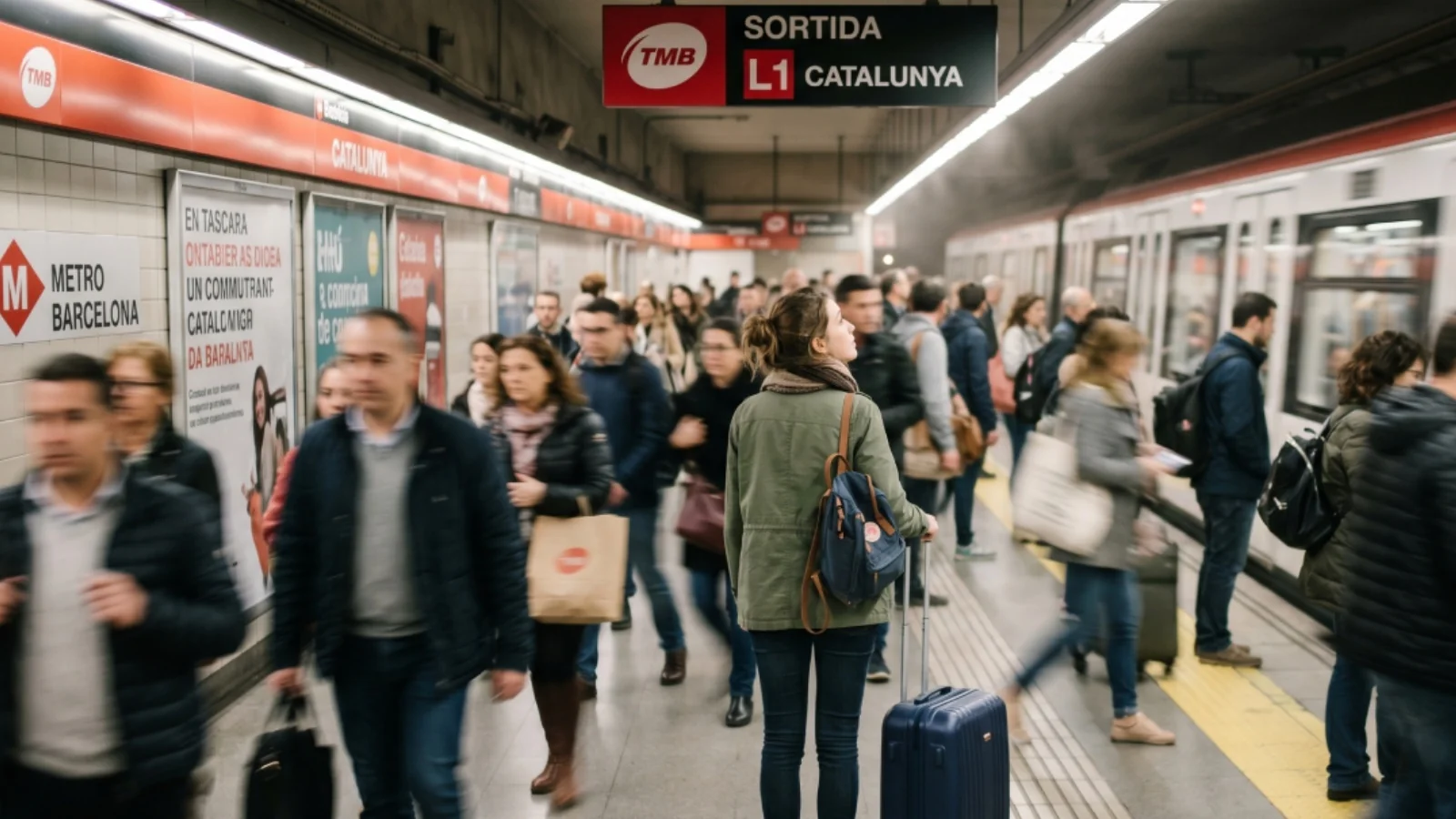
Catalonia reaffirms its position as the epicenter of demographic reception and cultural diversity in Spain. According to the latest figures from the INE, the presence of 91,925 residents of Italian nationality in Catalan territory —with 55% of them established in the capital— consolidates this community as a fundamental player in Barcelona's dynamism. However, behind the undeniable appeal of a cosmopolitan metropolis, the process of moving one's life to another country hides an emotional rollercoaster that is rarely addressed in macroeconomic statistics. Obstacles soon appear. Starting a life project in Barcelona involves facing immediate and very complex practical challenges; among them, the current housing crisis stands out as one of the most destabilizing factors. The escalation of rental prices and high competition for an apartment generate a state of alert and financial stress that directly impacts the psychological stability of the newcomer from day one.
It is in this scenario that the emotional difficulties psychologists call "invisible migration" take root. Many foreigners experience a deep sense of isolation, mental fatigue from trying to build deep relationships from scratch, nostalgia for their original cultural codes, and constant job insecurity. Often, these emotional blocks do not appear immediately, but months after the move, just as the euphoria of novelty fades.
To address these latent needs, the mental health sector in the Catalan capital has seen a growing number of professionals specializing in the well-being of the expatriate population. Within this support network, the work of Italian psychologist in Barcelona Luana Del Monte stands out, offering psychotherapeutic support in Italian to address the processes of change, anxiety, and life crises of migrants in the city.
Through her clinical experience with the Italian community —one of the most established in the Catalan capital— Luana Del Monte explains that, although the similarity between Mediterranean languages facilitates rapid linguistic integration in daily life, the language in which psychotherapy is conducted is a critical factor for the success of the treatment.
The deepest emotions, childhood memories, and the frameworks with which we learn to decipher the world are consolidated in our native language.
When a person tries to express psychic suffering or trauma in a secondary language, a cognitive filter is automatically activated that distances them from the true intensity of what they feel.
"When speaking in their native language, something changes immediately in the session", notes Luana Del Monte - "I notice how the person's body and facial expressions relax. Emotions begin to flow sincerely, freed from the invisible block of having to search for the exact word to define sadness, fear, or confusion".
The therapist emphasizes that this fluency is not purely grammatical but deeply cultural. By sharing the same language, the need to justify family dynamics or customs from the country of origin is completely eliminated. Profound concepts such as the way of understanding affective bonds or the weight of social expectations are instantly grasped, allowing the therapeutic dialogue to be much more direct and intimate.
This cultural understanding opens the door to what Del Monte describes as access to deep memory. "The oldest memories, those formed during childhood or adolescence, are verbalized with unique emotional precision. Expressing them in the mother tongue acts like a key that turns on the light in rooms of the mind that have often been closed for years because the right words couldn't be found in the new host language".
Consequently, the bond between the professional and the patient transforms, becoming much more human, warm, and spontaneous. Irony, popular sayings, and personal identity nuances emerge with complete naturalness in the session, reducing the constant monitoring of speech that we tend to do when speaking a second language. This allows the patient to work directly from vulnerability and absolute trust, feeling that they don't have to make an extra effort to be understood.
For those living far from home, language is one of the pillars most missed, and reclaiming it in a clinical setting provides, in the psychotherapist's words, a sense of home from afar. "The session becomes a safe space, an emotional compass that helps the patient feel whole again. It's a place where they can reconcile the person they were before leaving with the identity they are building in their new destination, without feeling like they are losing pieces of themselves along the way".
In an increasingly global Catalonia, ensuring community mental health requires understanding this cultural root of the patient. The testimony of professionals like Luana Del Monte reminds us that having therapy in one's mother tongue is not a matter of superficial comfort, but an essential clinical need. When a person is not forced to "translate" what is inside them, their mother tongue becomes the thread that heals the emotional fragmentation caused by distance, returning to the individual the roots and meanings necessary to feel at home, not only in the city where they reside but, fundamentally, within themselves.
It is in this scenario that the emotional difficulties psychologists call "invisible migration" take root. Many foreigners experience a deep sense of isolation, mental fatigue from trying to build deep relationships from scratch, nostalgia for their original cultural codes, and constant job insecurity. Often, these emotional blocks do not appear immediately, but months after the move, just as the euphoria of novelty fades.
To address these latent needs, the mental health sector in the Catalan capital has seen a growing number of professionals specializing in the well-being of the expatriate population. Within this support network, the work of Italian psychologist in Barcelona Luana Del Monte stands out, offering psychotherapeutic support in Italian to address the processes of change, anxiety, and life crises of migrants in the city.
Through her clinical experience with the Italian community —one of the most established in the Catalan capital— Luana Del Monte explains that, although the similarity between Mediterranean languages facilitates rapid linguistic integration in daily life, the language in which psychotherapy is conducted is a critical factor for the success of the treatment.
The deepest emotions, childhood memories, and the frameworks with which we learn to decipher the world are consolidated in our native language.
When a person tries to express psychic suffering or trauma in a secondary language, a cognitive filter is automatically activated that distances them from the true intensity of what they feel.
"When speaking in their native language, something changes immediately in the session", notes Luana Del Monte - "I notice how the person's body and facial expressions relax. Emotions begin to flow sincerely, freed from the invisible block of having to search for the exact word to define sadness, fear, or confusion".
The therapist emphasizes that this fluency is not purely grammatical but deeply cultural. By sharing the same language, the need to justify family dynamics or customs from the country of origin is completely eliminated. Profound concepts such as the way of understanding affective bonds or the weight of social expectations are instantly grasped, allowing the therapeutic dialogue to be much more direct and intimate.
This cultural understanding opens the door to what Del Monte describes as access to deep memory. "The oldest memories, those formed during childhood or adolescence, are verbalized with unique emotional precision. Expressing them in the mother tongue acts like a key that turns on the light in rooms of the mind that have often been closed for years because the right words couldn't be found in the new host language".
Consequently, the bond between the professional and the patient transforms, becoming much more human, warm, and spontaneous. Irony, popular sayings, and personal identity nuances emerge with complete naturalness in the session, reducing the constant monitoring of speech that we tend to do when speaking a second language. This allows the patient to work directly from vulnerability and absolute trust, feeling that they don't have to make an extra effort to be understood.
For those living far from home, language is one of the pillars most missed, and reclaiming it in a clinical setting provides, in the psychotherapist's words, a sense of home from afar. "The session becomes a safe space, an emotional compass that helps the patient feel whole again. It's a place where they can reconcile the person they were before leaving with the identity they are building in their new destination, without feeling like they are losing pieces of themselves along the way".
In an increasingly global Catalonia, ensuring community mental health requires understanding this cultural root of the patient. The testimony of professionals like Luana Del Monte reminds us that having therapy in one's mother tongue is not a matter of superficial comfort, but an essential clinical need. When a person is not forced to "translate" what is inside them, their mother tongue becomes the thread that heals the emotional fragmentation caused by distance, returning to the individual the roots and meanings necessary to feel at home, not only in the city where they reside but, fundamentally, within themselves.
“"The session becomes a safe space, an emotional compass that helps the patient feel whole again. It's a place where they can reconcile the person they were before leaving with the identity they are building in their new destination, without feeling like they are losing pieces of themselves along the way"