The Catalan capital is preparing for a transformation of its urban landscape, with the intention of halving the number of plane trees over the next ten years. This measure is part of a strategy to promote a more varied tree population, better adapted to future environmental conditions.
Currently, plane trees constitute 27.5% of Barcelona's urban trees, a figure the council aims to reduce to 12% by 2037. This progressive reduction seeks to mitigate the nuisances caused by the fruits of these trees, especially during spring when they release their seeds.
“"The current management does not aim to eliminate them, but rather to integrate them in a balanced way within a more sustainable tree model."
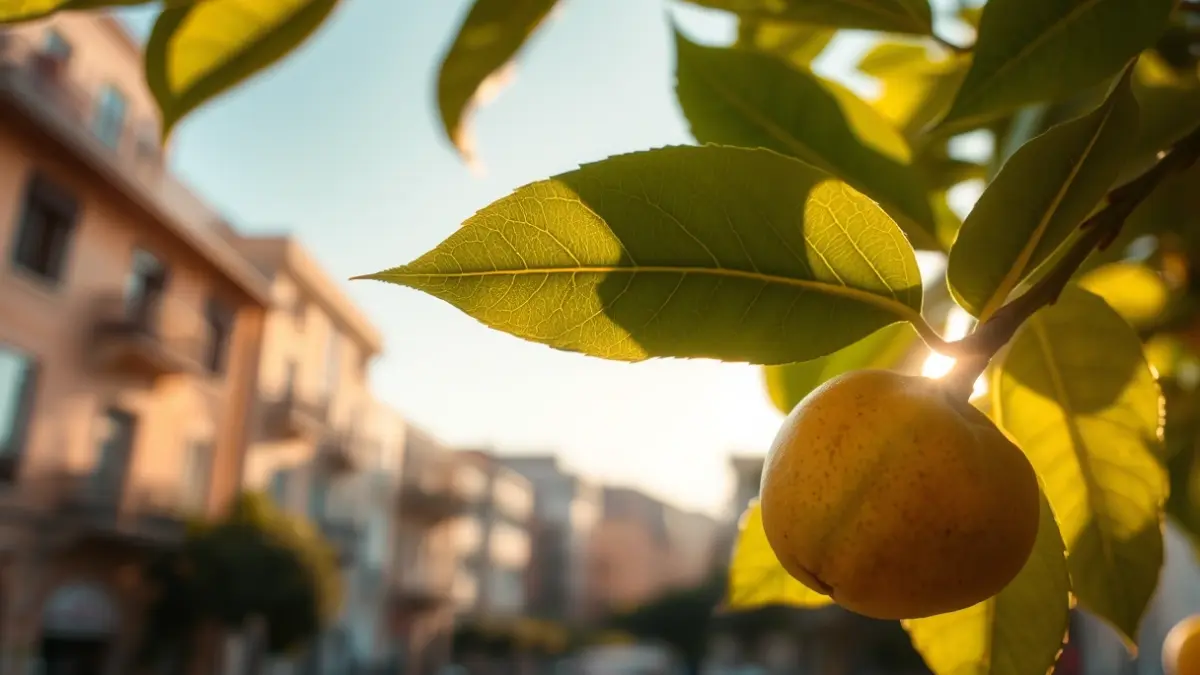
The Tree Master Plan (2017-2037) stipulates that no single tree species should exceed 15% of the total in the city. Thus, species such as hackberries, chinaberry trees, Pyrus calleryana, sophoras, and tipuanas are expected to gain prominence in Barcelona's green spaces.
The diversification of the urban canopy responds to criteria of safety and sustainability. Relying on a single species increases the risk of pests or diseases affecting a significant portion of the city's green heritage. Furthermore, a greater variety of trees contributes to better resilience against the effects of climate change, such as drought or rising temperatures.