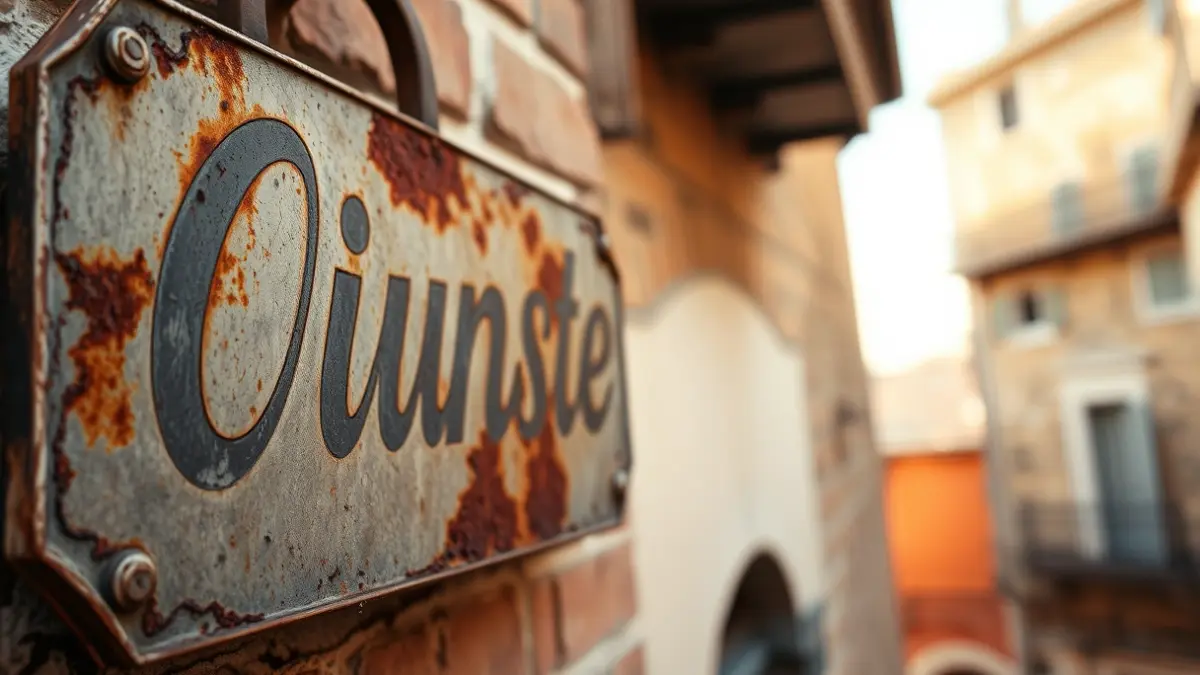
This initiative aims to preserve an emblematic element of graphic design from the 1930s, a golden age for typography in Barcelona. The sign, which has been a visual reference, was at risk of being removed, but a last-minute intervention has ensured its conservation.
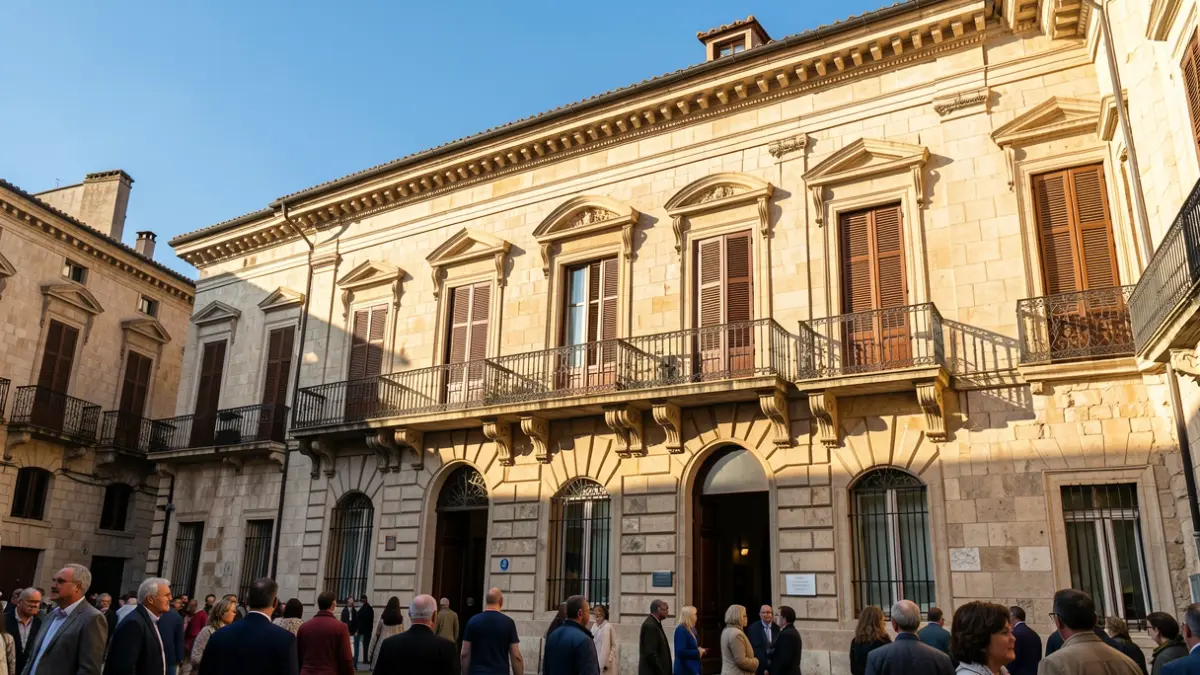
The facade where the sign is located belongs to a 1955 building, designed by architect Joan Soteras, known for his exploration of brutalism. This part of the structure is all that remains of the old factory, and its preservation is crucial to maintaining the testimony of the industrial past of the Poblenou area.
The Cacaolat sign, dating back to 1933, is an example of how design became democratized at that time, reaching everyday consumer products. The beverage, an innovation in its day, was a success, and its typography became a local icon. The building permit for a large housing development on the plot behind the facade has expired, which has opened a window of opportunity for the sign's safeguarding.
“"The solution will involve preserving them, ideally as a form of urban art."
The decision to save the sign was partly driven by the alarm raised by a typography professor, who initiated consultations with the Design Museum and the Barcelona History Museum. The latter is currently studying how and where the piece could be housed, considering it a unique heritage item.
The history of Cacaolat dates back to 1931, when the founder of Letona and his son traveled to the Budapest International Fair and discovered some milk and cocoa refreshments. Upon returning to Barcelona, they created the drink with a secret recipe and its distinctive logo. This rescue is part of a context where many historic signs in the city have disappeared, highlighting the importance of preserving these elements of the urban landscape.