His most celebrated work is Sátántangó, the result of an initially tense collaboration with the writer László Krasznahorkai, who rejected him before accepting his proposal. This relationship also culminated in the screenplay for the splendid The Man from London, based on a story by Simenon.
Tarr argued that works like Sátántangó, which lasts over seven hours, must be viewed in their entirety, considering it a fundamental exercise in experience. His vision intertwined with the prose of Krasznahorkai, a Nobel winner, sharing a narrative of slowness and lingering on the beauty and grime of reality.
“"You are free, I shit on the film industry! Live life, study life. And cinema... will come."
His aesthetic and political philosophy was summarized in his view that a film is “a person” with whom one shares intimacy. He made this exclamation last March in Barcelona, during one of his final public appearances before an audience.
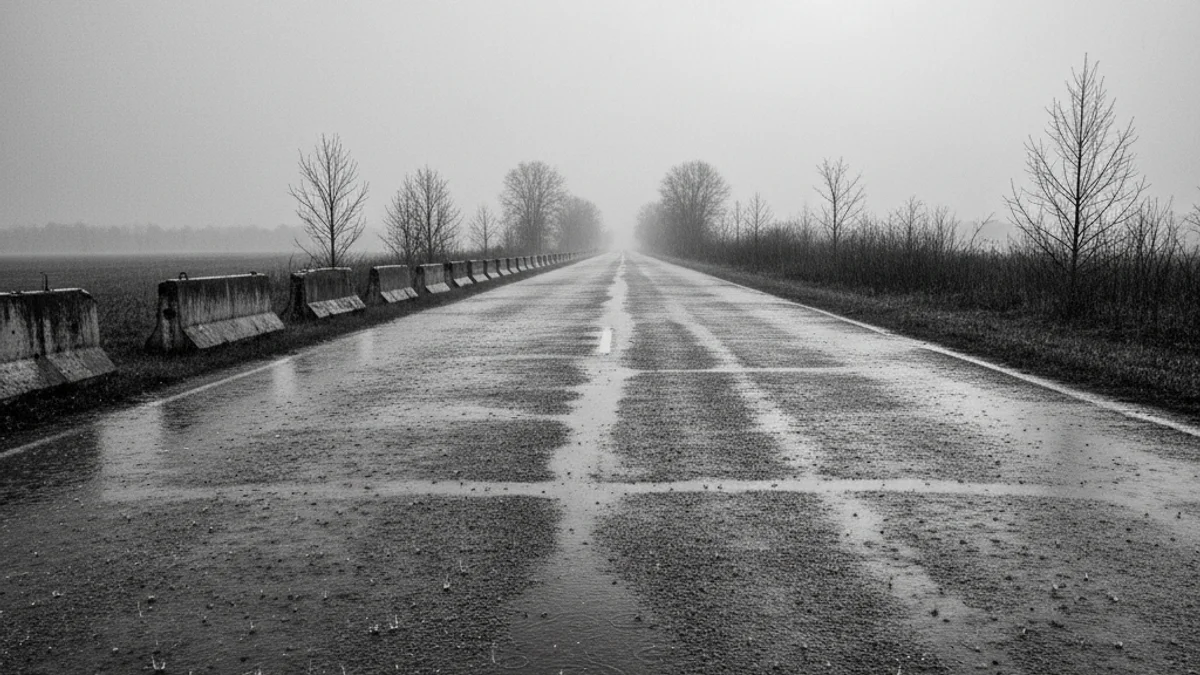
The filmmaker addressed themes such as silence, mud, and rain, reflecting the palpable universe from his childhood in communist Hungary to the marginalized people of Vienna in his last work, making a painful incision into the collapse of humanism and the triumph of capitalism.