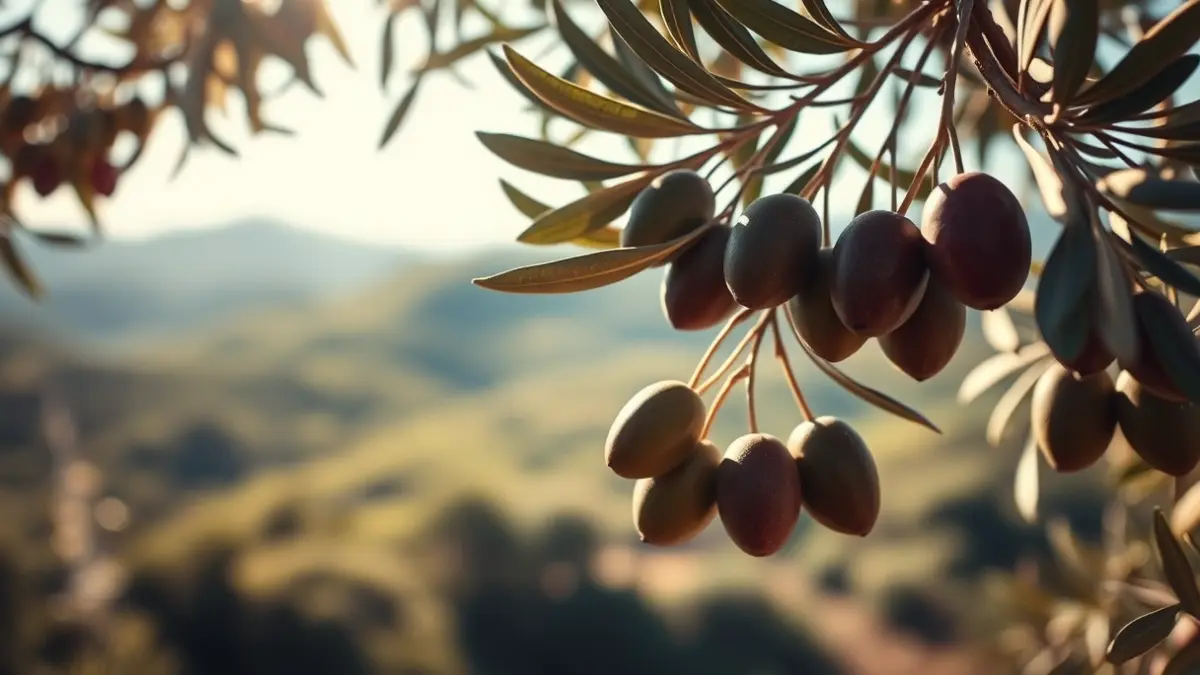
Historically, the Collserola mountain range, embracing Barcelona, was a hub for olive oil production for self-consumption and surplus sales. However, the abandonment of rural areas in the mid-20th century led to the loss of this activity, leaving olive trees, some centuries old, engulfed by the forest. This transformation has reduced cultivated land from 21.5% in 1956 to 6.4% today, resulting in biodiversity loss and a significant increase in fire risk.
Now, the Oli Nou de Barcelona project, with an initial production of 311 bottles, is presented as the first Collserola olive oil with a clear fire prevention objective. This extra virgin olive oil is made from recovered native varieties, such as vera del Vallès and becaruda, along with the popular arbequina, all organically grown. This initiative not only has a social and environmental vocation but also a gastronomic one, highlighting the quality of Catalan olive oil.
“"It is also about highlighting the great quality of Catalan olive oil, a local product that generates identity and is also a superfood."
The pilot project aims to restore 156 hectares of forest in Collserola, converting them into cultivated land, primarily olive groves, due to their tradition and economic yield. This collaboration between the L'Olivera cooperative, the Fundació Catalunya La Pedrera, the Collserola Natural Park, and the Association of Forest Owners of Collserola, also seeks to involve local landowners in revitalizing their abandoned terraces. Fifteen pre-agreements have already been signed, with the goal of recovering 20 hectares by October and reaching 156 hectares by 2030.
To ensure long-term viability, negotiations are underway to build a community mill in Collserola, which would allow the recovery of self-consumption production. In addition to fire prevention, the initiative seeks to restore the agroforestry mosaic, which is fundamental for biodiversity. Olive trees, resistant to drought, adapt well to low and medium mountain areas, contributing to efficient water management and resilience to the climate crisis.
“"The goal is also to generate landscapes resilient to the climate crisis."
The Oliveres Reverter farm in Sant Just Desvern, where part of Oli Nou de Barcelona is produced, exemplifies how the recovery of traditional and ecological crops favors biodiversity, as shown by the presence of the common turtle dove, a species in decline in Europe. The project also has an important social dimension, as the L'Olivera cooperative employs people in vulnerable situations, with intellectual disabilities, and at risk of social exclusion, thus integrating environmental, forest management, gastronomic, and social aspects.