The mobilization, called by unions such as CCOO, UGT, and Semaf, affects all Renfe staff for three consecutive days. This stoppage may cause significant disruptions to daily mobility, especially during rush hours (6 a.m. to 9 a.m. and 5 p.m. to 8:30 p.m.).
The established minimum services guarantee 66% of the usual service during peak hours, while 33% will be maintained during the rest of the day. Renfe has warned that these percentages may be distributed irregularly, potentially resulting in fewer trains than planned on specific lines or time slots.
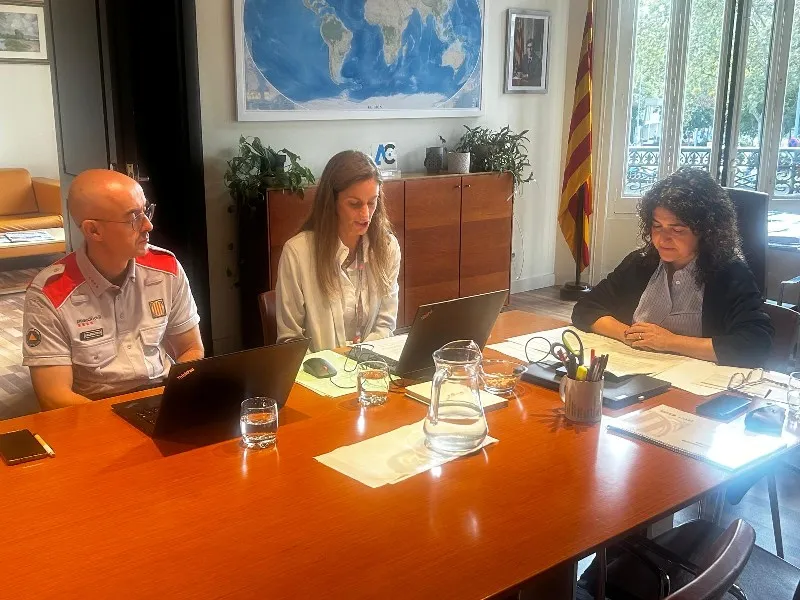
The Minister of Territory described the discontent of Rodalies de Catalunya users as 'understandable' and defended institutional collaboration as the appropriate response.
This strike coincides with a citizen demonstration called in Barcelona to protest against the numerous incidents and the service “debacle.” The protest will take place next Saturday, February 7, at 5 p.m., starting at Estació de França and ending at Plaça de Sant Jaume.
The crisis situation persists despite meetings between the unions and Minister Óscar Puente, where progress was made on issues like staff increases and investments. Catalan users previously rated the service with a 4.2 in a survey conducted before the recent chaos.