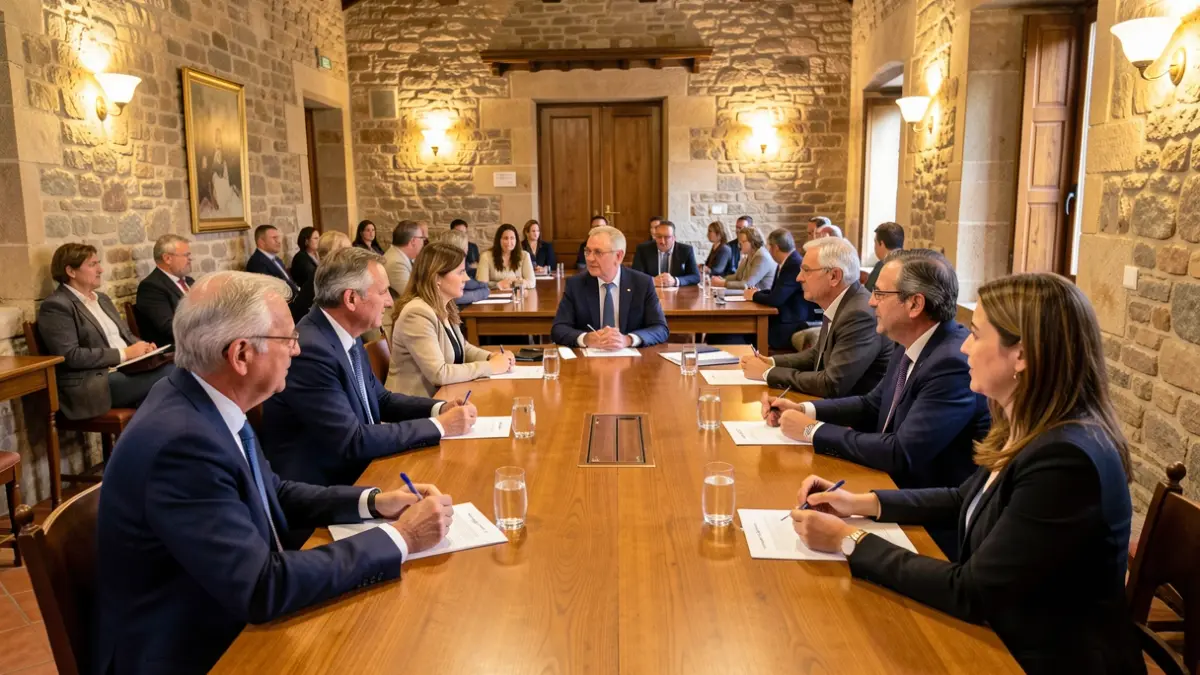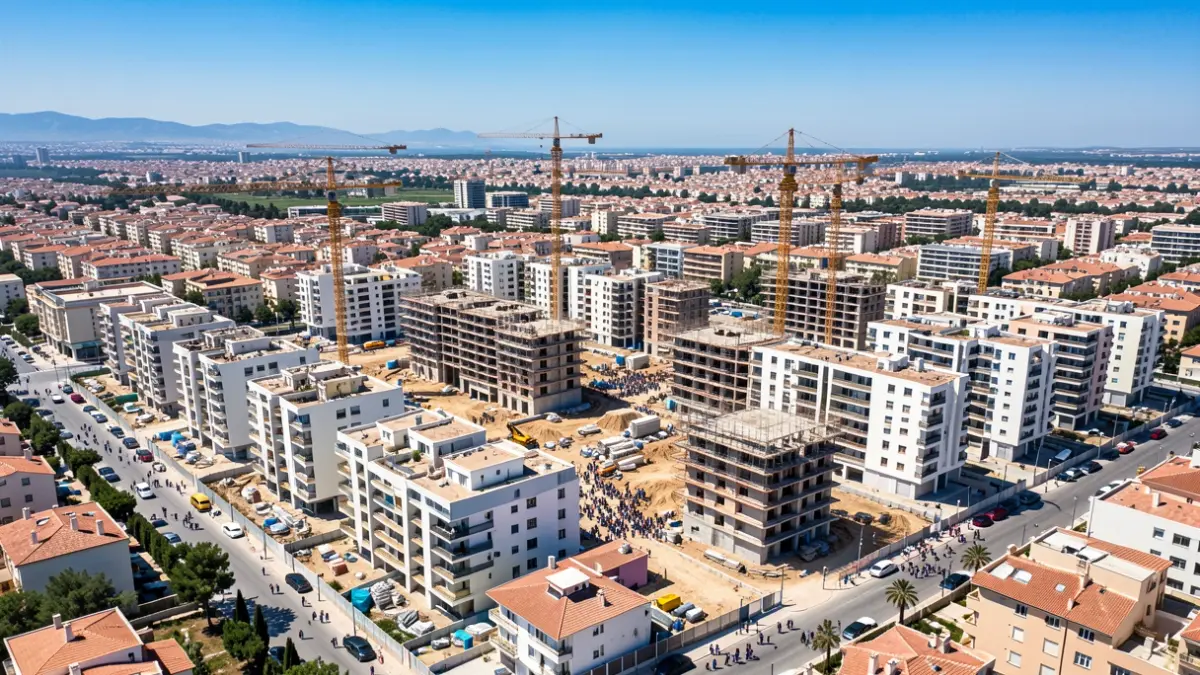
The Terrassa City Council has launched an ambitious strategy to combat rising housing costs with the presentation of the new Local Housing Plan 2026-2031. This document, slated for approval this Friday in the municipal plenary session, primarily aims to significantly increase the city's stock of affordable housing.
Currently, Terrassa has 6,811 homes designated for social policies, representing 7.74% of the total housing stock. The plan aims to reach 10% by 2031 and move towards the 15% required by the Generalitat de Catalunya by 2044. The Councilor for Social Policies and Public Housing Promotion, Lluïsa Melgares, highlighted that the plan will have a budget of 27.6 million euros, while also emphasizing the need to mobilize public-private investment and greater financial involvement from the Catalan and national administrations.
To meet the Urban Solidarity Objective, 3,857 new affordable homes will be promoted before 2029. The City Council will drive the development of over 3,000 protected housing units in the next five years through the cession of public land to private developers and cooperatives, and by resuming direct public promotion from 2030. Promotions totaling around 740 homes are already underway, and the council has 48 plots with capacity for an additional 2,600 units. According to Melgares, increasing the public housing stock is "the only way to truly influence the market and contain prices".
Rental prices in Terrassa have increased by 63% since 2013, with average advertised offers now exceeding 1,200 euros per month, according to the plan's data.
Regarding vacant properties, Melgares has questioned the figure of 10,000 reported by the INE in 2021, which was based on electricity consumption. A municipal study reduces this number to approximately 2,000 vacant units, a figure closer to the previous census that identified 1,733 units. The councilor called for greater state involvement with the Sareb's vacant properties, advocating for municipal control for their social use.
The plan also focuses on the rehabilitation of the residential stock, particularly in buildings constructed between the 1950s and 1980s, where 26.6% still lack elevators and a significant portion exhibits low energy efficiency. Funds will be allocated to rehabilitation, accessibility, and energy efficiency aid, and a "one-stop shop" will be established to centralize family support.
The spokesperson for ERC in Terrassa, Pep Forn, expressed satisfaction with the political consensus reached on the document, viewing it as "a good roadmap" for addressing the housing issue.