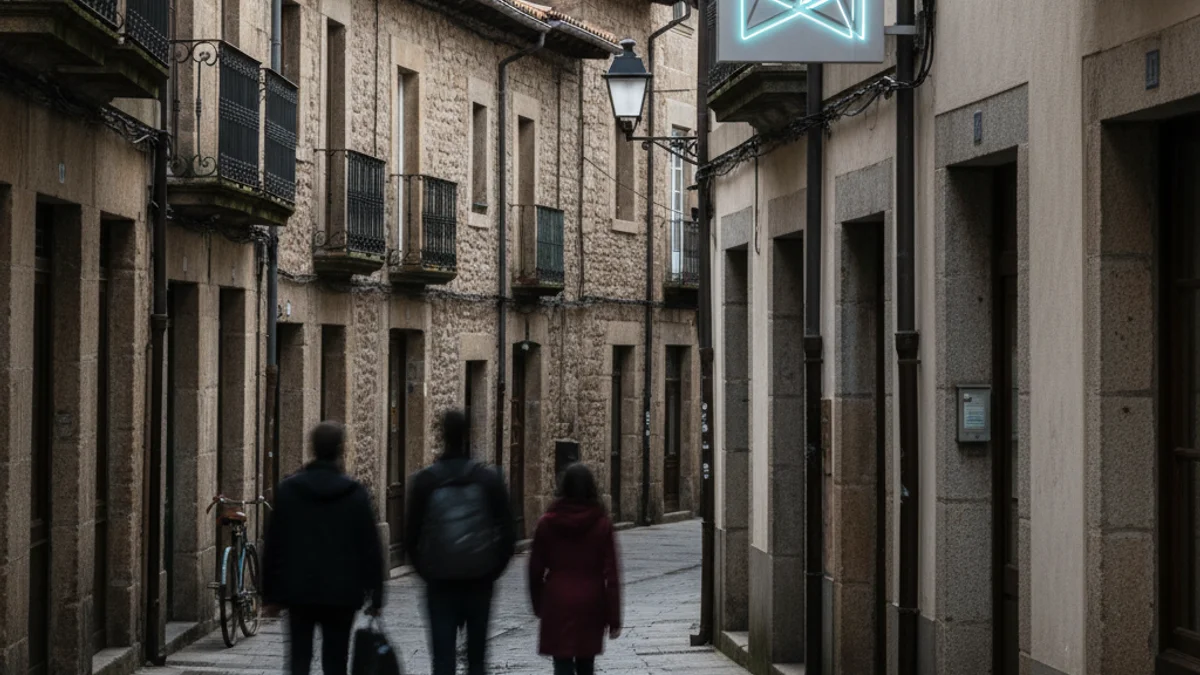
The term metapolis describes an urban reality extending beyond its administrative boundaries, projecting its dynamics onto the surrounding territory. According to Guillen, this explains why phenomena like the arrival of “expats” and housing tension, typical of cities such as Madrid or Valencia, are now appearing in municipalities that were previously on the periphery.
“"The same people who transform it later complain that it is no longer as before."
This search for “authenticity” in places like Mataró, Girona, or Sitges often clashes with reality, as new residents bring global consumption habits (international cafes, brunch) they intended to avoid. The key, however, is economic: the arrival of high-income individuals strains local markets, leading to high-priced purchases, rising rents, and businesses adapting to the new clientele, displacing long-time residents.
“"For those who lived there, the problem is not reaching Barcelona; it is that Barcelona has reached them."
The most tangible consequence is that the town "becomes just another neighborhood" of the large city. Guillen also warns about the lack of social integration among some of these new residents, who do not learn Catalan or participate in local festivals, contributing to the loss of the native social and commercial fabric.