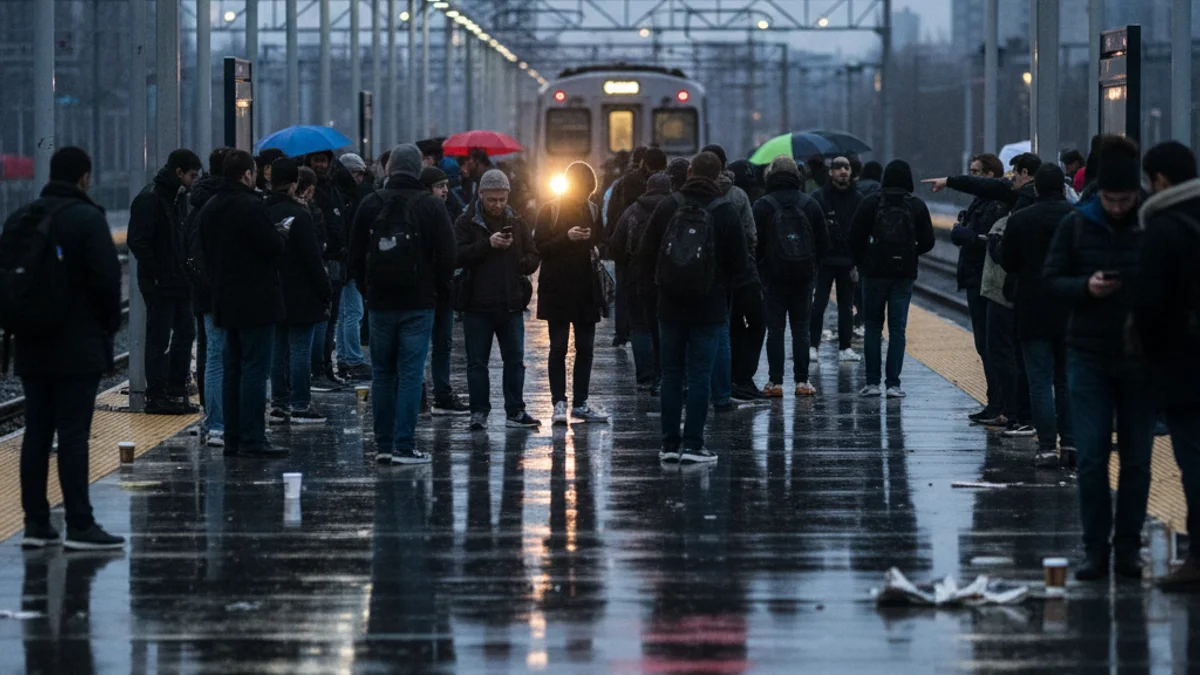
Minister Albert Dalmau took over answering questions directed at the President during the control session, defending himself against the unanimous criticism from the opposition regarding the rail crisis of the past week. Dalmau assured that the ministers have the confidence of President Salvador Illa, who is recovering in the hospital, and argued that the decisions taken were aimed at "reclaiming the right to mobility" and "ensuring the right to safety".
“"Collaboration is not weakness. On the contrary. It is demanding and responsible."
Despite Dalmau's conciliatory tone, offering the opposition a chance to turn the events into a turning point, most groups insisted on the need for more resignations. Junts, through its group president, Mònica Sales, directly pointed to the Minister of Territory, Sílvia Paneque, stating that "she should have left days ago."
Similarly, ERC's floor leader, Josep Maria Jové, criticized that both Dalmau and Paneque had adopted the decisions of Renfe and Adif as their own, demanding "more resignations" to restore credibility. Meanwhile, the Comuns secured a commitment from Dalmau to maintain the public transport fare subsidies throughout the legislature.
The leader of the PP, Alejandro Fernández, was particularly critical, asking if "it was necessary for someone to die to realize the pitiful state of the network." Dalmau responded that the crisis was explained by the combination of record rainfall in 50 years after three years of drought, affecting aging infrastructure suffering from a historical lack of maintenance.