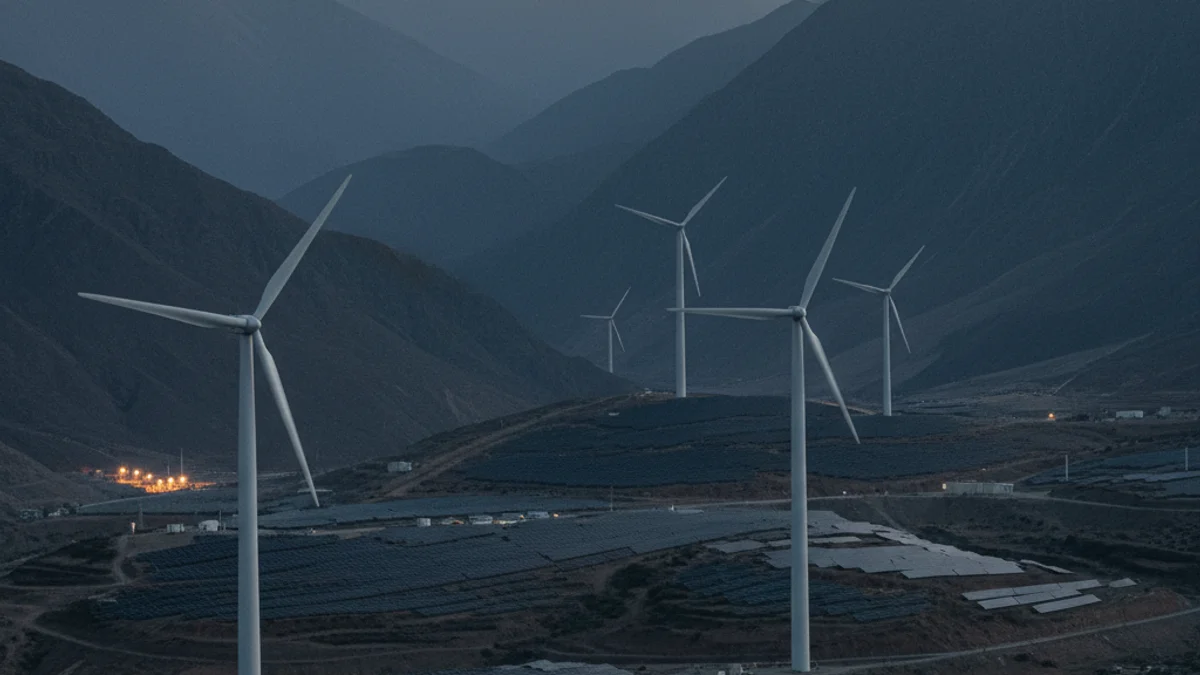
The Territorial Sectoral Plan for the Implementation of Renewable Energies in Catalonia (PLATER) establishes that the majority of the contribution (217.5 MW) will be solar photovoltaic. Of this, 70.9 MW will be located on buildings, 9.3 MW in artificialized spaces (such as landfills or quarries), and 137.3 MW on non-artificialized land.
The occupation of non-artificialized land for photovoltaic use in the region is estimated at 220 hectares, representing only 0.4% of Cerdanya's total surface area. The power already installed or under processing (2.25 MW) will count towards the final objective of 2050.
The session with municipal representatives served to explain the PLATER methodology, which seeks to regulate the implementation of renewable energies across Catalonia to meet the goals of the Energy Prospectus of Catalonia 2050 (PROENCAT). Municipalities have been invited to participate actively in the final definition of the document.
Once the public information period begins, which will last an extraordinary three months to facilitate local participation, the 17 town councils of Cerdanya will be able to submit their proposals. Subsequently, they can adapt their urban planning regulations in line with the criteria defined in the PLATER.