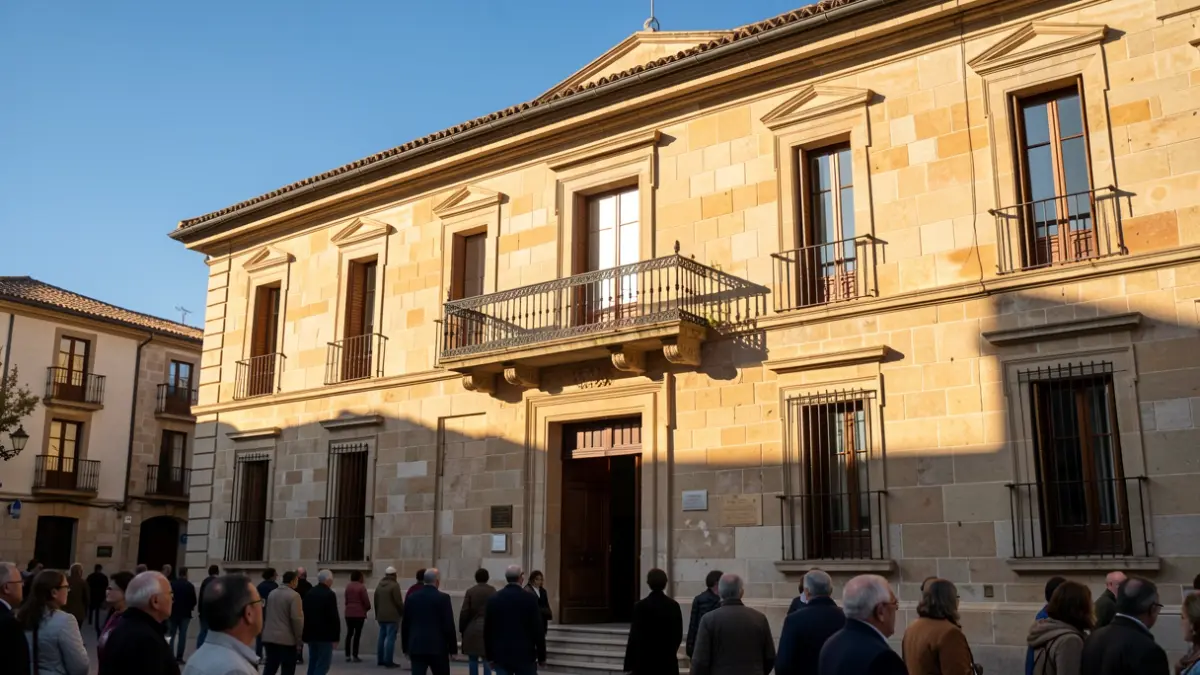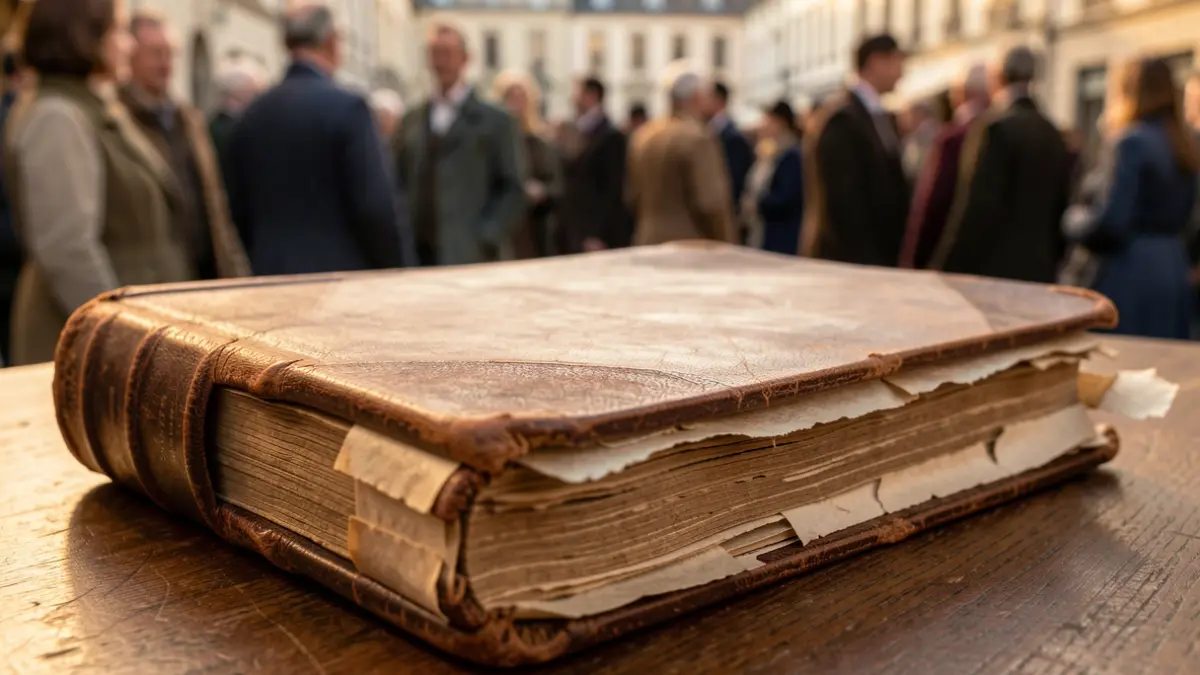
The Privilege Book of the Puigcerdà Irrigation Canal, owned by the City Council, has recently been restored by the Cerdanya Regional Archive. This volume compiles documents that regulated the management of the canal, with texts dating back to 1318, the year King Sanç of Mallorca granted the foundational privilege and established its operation.
The book, rebound and bound in parchment in the 18th century, contains the original legislation and reflects the conflicts associated with the canal's management since the 14th century. According to Erola Simon, director of the Regional Archive, the piece is highly unique and demonstrates the historical importance of the canal for the town, including issues arising from its division following the Treaty of the Pyrenees in 1659.
Clara Alibés, a specialist in paper restoration, detailed the document's delicate condition prior to the intervention. The covers had broken, and the pages, particularly the first, last, and lower sections, showed deterioration from humidity, light, and dust. The restoration involved using Japanese paper for reinforcement and transparent tragacanth gum adhesive, following an exhaustive cleaning.
The Puigcerdà irrigation canal is a medieval hydraulic infrastructure still in use, originally conceived for the royal mills. The territorial division imposed by the Treaty of the Pyrenees in 1659 fragmented the canal, leading to disputes, such as the ten-year water supply cut by the French in the 17th century. The Treaty of Bayonne in 1868 delimited the border and regulated water usage, establishing the Administrative Commission of the Puigcerdà Canal, which still manages the canal today.