The initiative, which already boasts over a hundred members paying an annual fee of 5 euros, allows participants to collect any item available in the local's storage. The Caktus project is built on several lines of action: object reuse, repair services, and an educational component aimed at working with schools to promote consumption reduction.
“"We assist vulnerable people, but there are also older individuals who appreciate antique items, and young people looking for clothes."
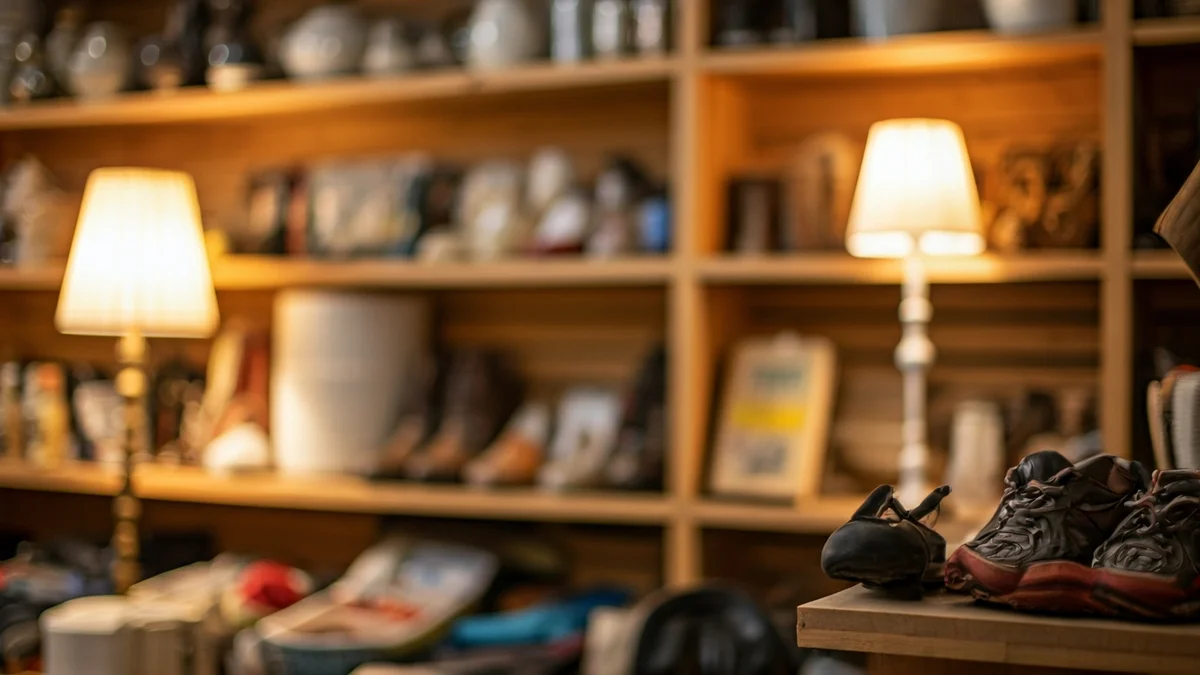
Marcy Powbers, one of the project managers, highlighted that the premises receive a wide variety of items, from clothes and shoes to ceiling lamps, crockery, toys, and books. The idea to create this space emerged a couple of years ago; although they did not secure a space from the Montblanc City Council, they found a more economical alternative. Due to the small size of the premises, larger items are managed directly through a WhatsApp group that includes 450 people.
Powbers emphasizes that reuse has recently gained popularity, especially among young people seeking clothing. However, she warns about the saturation of landfills and the increasing limitation of resources. In this regard, the project has a team dedicated to repairing appliances that arrive at the premises and are not functional. Dani, one of the team members, originally from Picamoixons (Alt Camp), explains that they clean and repair objects to 'return them to their useful life cycle,' lamenting that currently 'everything is made to last the minimum amount of time'.
In addition to repairs, Dani collaborates with international organizations to 'pressure' companies to change their design policies, demanding that they take responsibility for repairs, ensure spare parts are available, and that products have a longer lifespan. The project also organizes workshops to teach citizens basic repair skills.