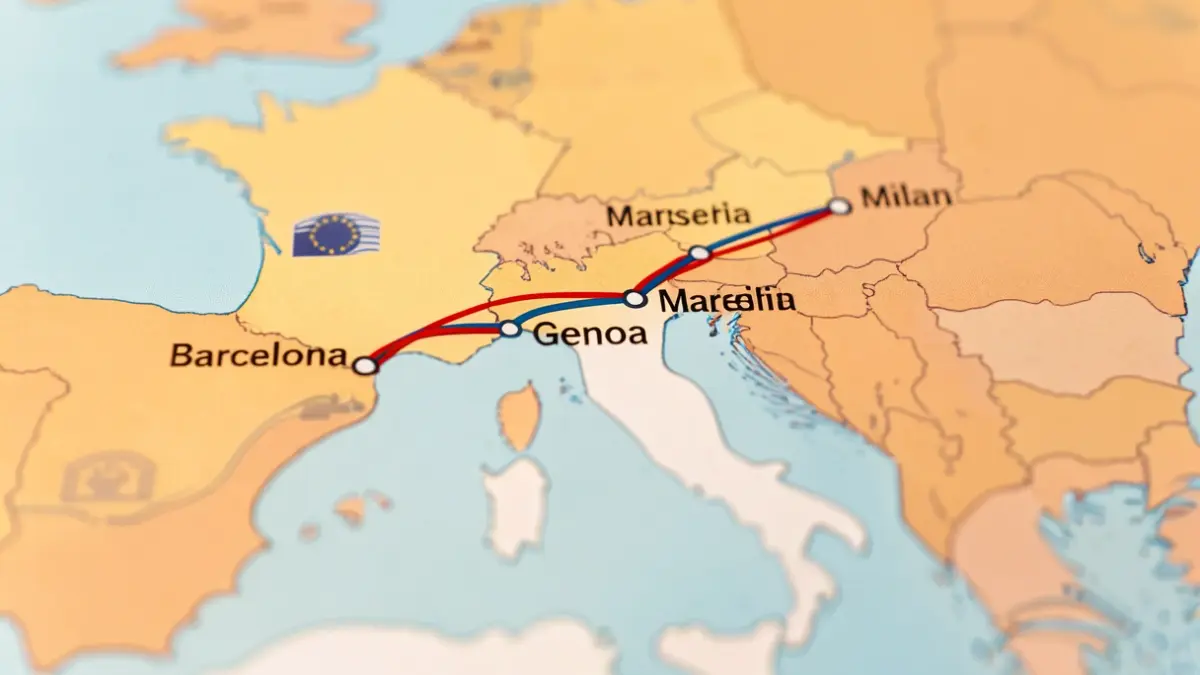
The project, which aims to break the radial model that forces transit through Barcelona, will allow millions of annual passengers to travel directly between municipalities in the second metropolitan ring. The initiative, pending since 2010, has been claimed by the mayors as a historical necessity to improve the quality of life for residents.
The infrastructure will span 120 kilometers of track, with 68 kilometers of new construction and 43 kilometers underground. With a total of 40 stations, 23 of which will be newly built, the route will serve more than three million people. The planned investment amounts to 5.2 billion euros, according to agreements reached between the administrations.
The execution schedule foresees a progressive rollout culminating in 2041. Initial work will focus on the section between Santa Perpètua and Sabadell, with operations expected to begin between 2033 and 2034, followed by subsequent phases connecting the remaining involved regions.