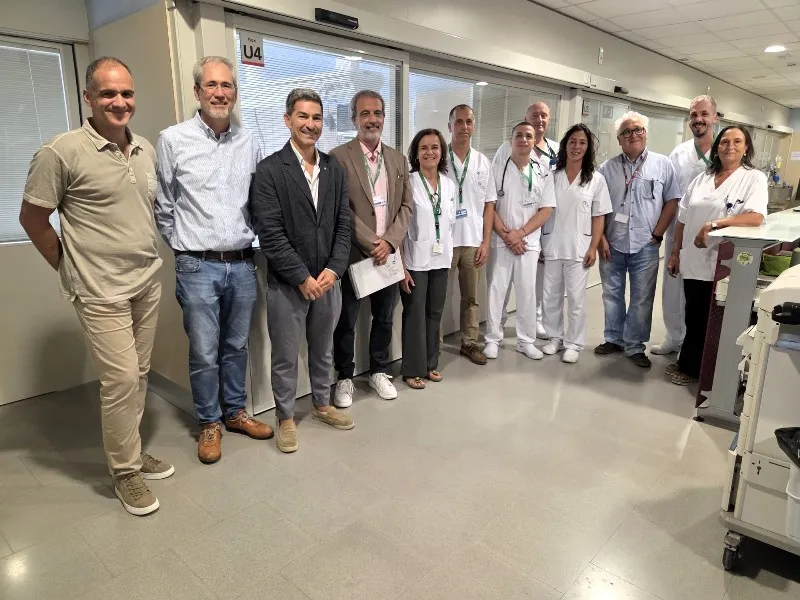
New diagnoses of multiple sclerosis in Girona have seen a 33% increase in just two years. According to provided data, the Neuroimmunology and Territorial Multiple Sclerosis Unit of Girona (UNIEMTG) recorded 24 new cases in 2023, 28 in 2024, and 32 in 2025. This progressive rise places the disease at the focus of a unit currently monitoring approximately 1,100 patients in the province.
The UNIEMTG, part of the Neurology Service at Dr. Josep Trueta University Hospital, serves as the reference center for the entire province in the care of individuals with multiple sclerosis and other neuroimmunological conditions. The medical team conducts between 2,500 and 3,000 annual visits.
This healthcare activity is complemented by significant research efforts. The unit is involved in around twenty studies concerning multiple sclerosis and related diseases, with active patient participation. Furthermore, it collaborates in clinical trials for new therapeutic molecules in development, covering both clinical research and basic science.
Multiple sclerosis is a chronic neurological disease affecting the central nervous system. It occurs when the immune system attacks myelin, the protective layer of nerve fibers, disrupting the transmission of electrical impulses. Symptoms vary greatly and can include visual disturbances, loss of strength, sensory issues, balance problems, fatigue, or cognitive impairment. The disease typically emerges in young adults, between 20 and 40 years old, affecting women more frequently, although diagnoses are also being observed at older ages.
The reorganization of services in Girona has enabled the concentration of comprehensive patient care within healthcare facilities at the Martí i Julià Hospital Park in Salt. This location facilitates the coordination of diagnosis, medical follow-up, specialized nursing consultations, treatments, medication dispensing, research, clinical trials, and psychological, neuropsychological, and rehabilitation care.
The unit emphasizes that its role extends beyond direct assistance, aiming to generate knowledge about a disease for which there is no cure, but which has seen significant advancements in diagnosis, treatments, and progression control in recent years. Specialists highlight the importance of early diagnosis and continuous, multidisciplinary follow-up to manage the disease's progression.