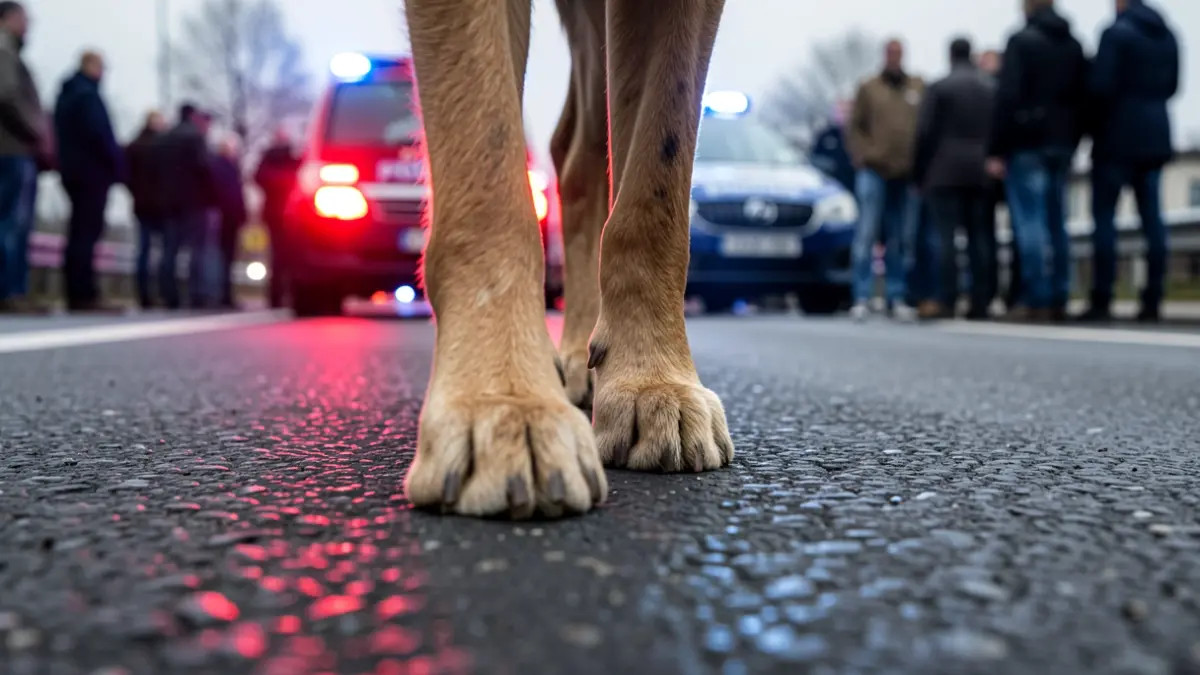
The Regional Environmental Unit (URMA) of the Mossos in Girona is investigating organizations involved in animal trafficking, particularly dogs of sought-after breeds like chihuahuas, dachshunds, labradors, and golden retrievers, which are brought in from Eastern European countries.
According to police sources, these networks can multiply the initial profit by ten or even twenty times, paying around 100 euros per animal and reselling it for up to 2,000 euros to the end consumer. The head of the URMA in Girona, Toni Martín, notes that "there are always some losses, but the business is there, and that's why it continues."
A major issue is that many of these animals arrive without the necessary health checks, potentially leading to diseases developing after they are purchased by clients. Martín explains that the animals "come without any control" and they frequently encounter cases where the dog later develops an illness due to an inadequate genetic profile or lack of prior care.
The police also monitor legal transports with international documentation, as the AP-7 is a key route due to its proximity to the border. The URMA intervenes in cases that remain in the region or continue to other parts of Spain.
In addition to animal trafficking, the URMA in Girona is also responsible for controlling the illegal dumping of waste into the natural environment, an activity that has been increasing and involves both companies, particularly in the construction sector, and illegal workshops that avoid proper waste management.