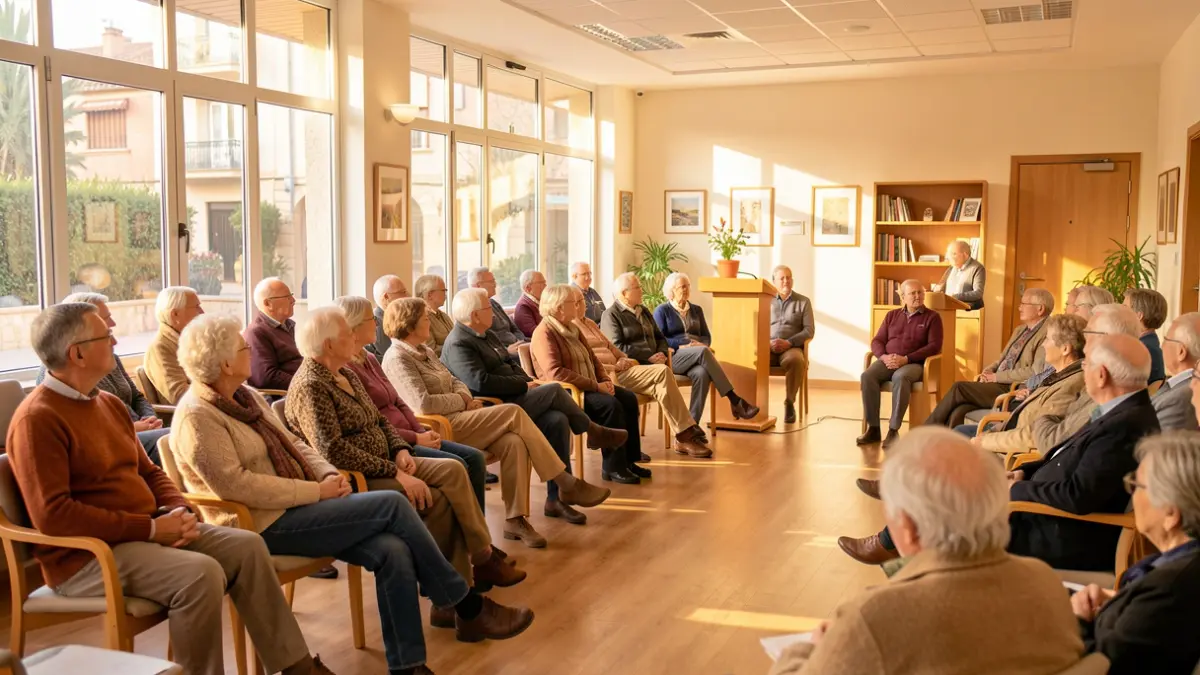
The Department of Social Rights has carried out 195 inspections in elderly residences since the beginning of summer, specifically between June 1st and August 10th. These actions include both mandatory routine checks and those initiated due to complaints from users or residents. Sources from the department assure that inspections during the hot months focus on verifying measures to maintain thermal comfort and detect incidents related to high temperatures.
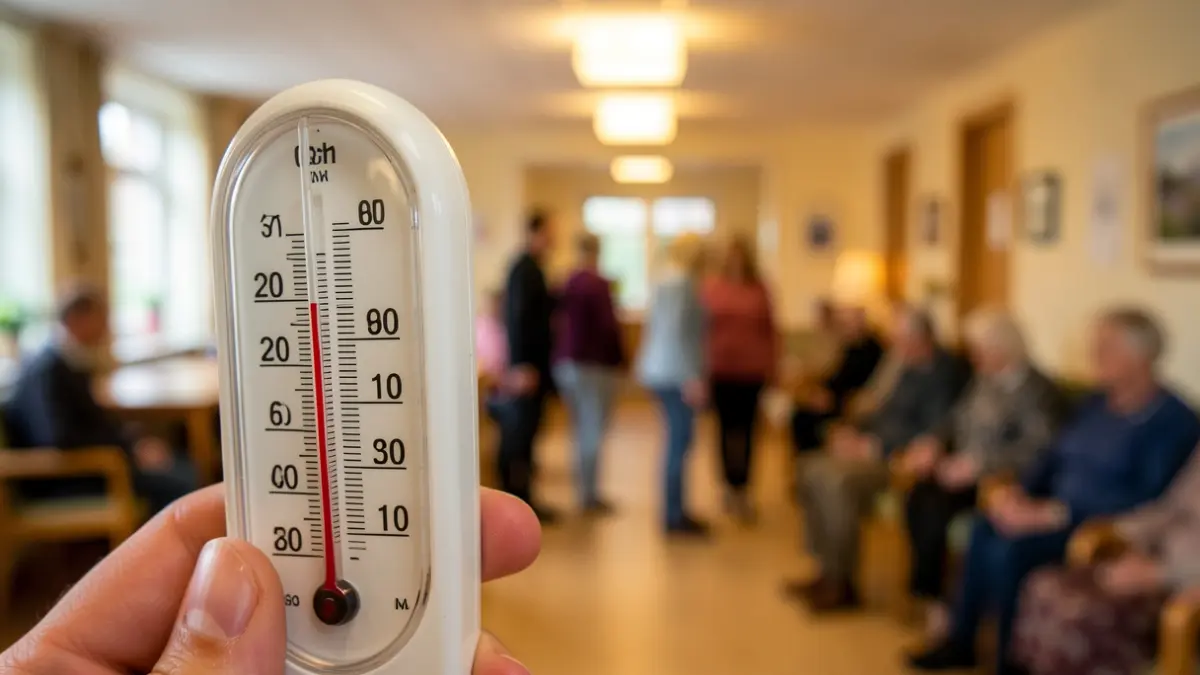
Current regulations do not specify maximum temperatures for corridors and rooms, beyond the 27 degrees Celsius that can be registered in the center as a whole. In case of detecting any infringement, inspection teams require corrective measures, which often involve the provisional installation of fans or cooling units, to be borne by the residence itself.
The ACRA employers' association, through its director Cinta Pascual, has requested a new aid protocol from the Generalitat for residences wishing to upgrade their climate control systems but lacking the necessary resources. Pascual admits the request comes at a sensitive time due to holidays and a change in the department's leadership, but is confident in resuming work after the summer.
For his part, the vice-president of the Col·legi de Treballadores Socials de Catalunya, Alfred Rivera, warns that smaller and private residences face greater difficulties in climate control. He calls for any regulation or protocol to be uniform to avoid inequalities between different types of establishments.
Rivera also recalls the importance of formalizing any complaints in writing to the residence or the Generalitat to facilitate problem detection and resolution. Although few specific temperature complaints have been received, a slight increase in heat-related incidents has been noted.
In addition to residents' health concerns, high temperatures can also cause technical issues with elevators and other appliances, especially in older facilities. ACRA has implemented its own protocol that has worked well, including climate control for common areas and adapting rooms with fans.
Finally, Rivera points out the issue of adapting private homes to intense heatwaves, as many elderly people's apartments are not prepared for the current extreme temperatures, making heat a factor of inequality.