This 25% percentage represents a significant increase compared to 2021, when the figure stood at 19.1%. This evolution consolidates a change in habits accentuated after the pandemic, rising from values close to 20% to affecting one in four inhabitants of the Girona area.
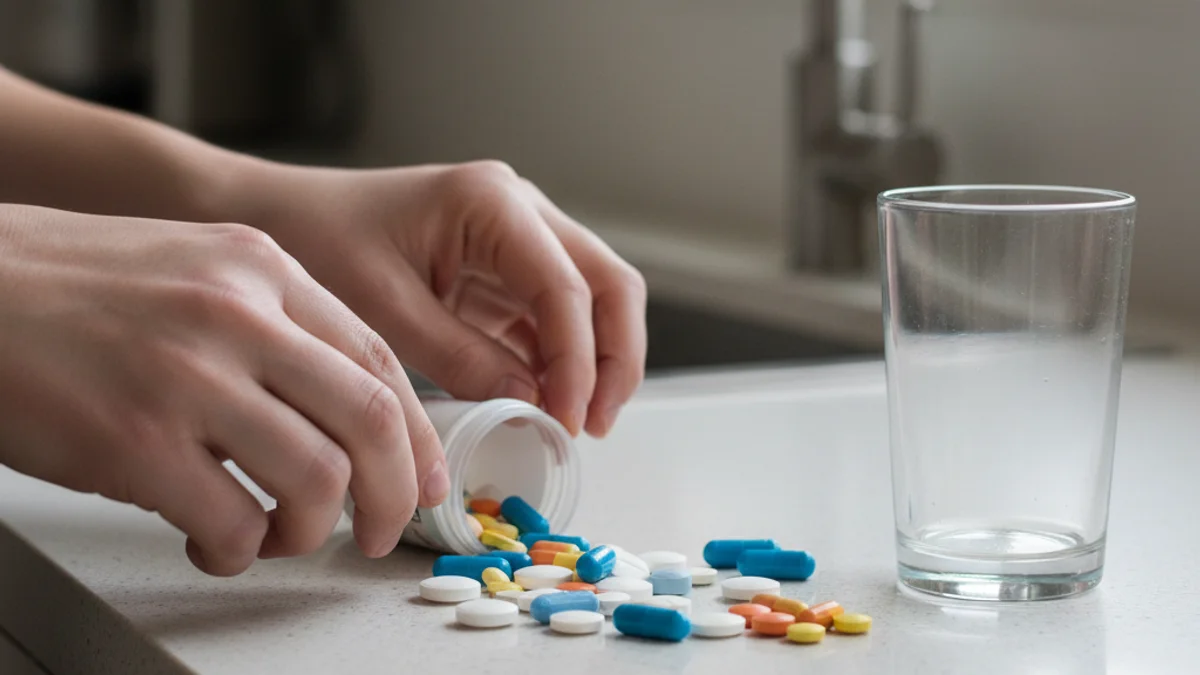
Among the causes of the increase is the persistence of erroneous beliefs, such as the idea that antibiotics cure viral infections like the flu or common cold. Specialists warn that self-regulating doses or using remnants of previous treatments can reduce effectiveness, generate resistance, and cause severe adverse effects.
The risks associated with self-medication have returned to the center of the health debate. The use of drugs combining codeine and ibuprofen, especially in doses higher than recommended, can cause severe kidney and gastrointestinal damage, according to the European Medicines Agency (EMA).
At the state level, the most consumed non-prescription medications are vitamins (32.84%), those intended to treat cold and flu symptoms (26.67%), and analgesics for pain (22.83%). To a lesser extent, tranquilizers or sleeping pills are also consumed.
The Ministry of Health report published in January also addresses polypharmacy in the elderly. Nearly three out of ten people over 65 years old in Spain follow chronic treatments with five or more different drugs. This situation intensifies with age, reaching 44.7% in the 85 to 94 age group, and is more prevalent in women (30.9%) than in men (28.3%).