The technical jargon surrounding the ongoing investigations into train accidents that occurred last week in Spain is not always easy for the general public to understand. This specialized vocabulary is crucial for interpreting infrastructure and safety reports.
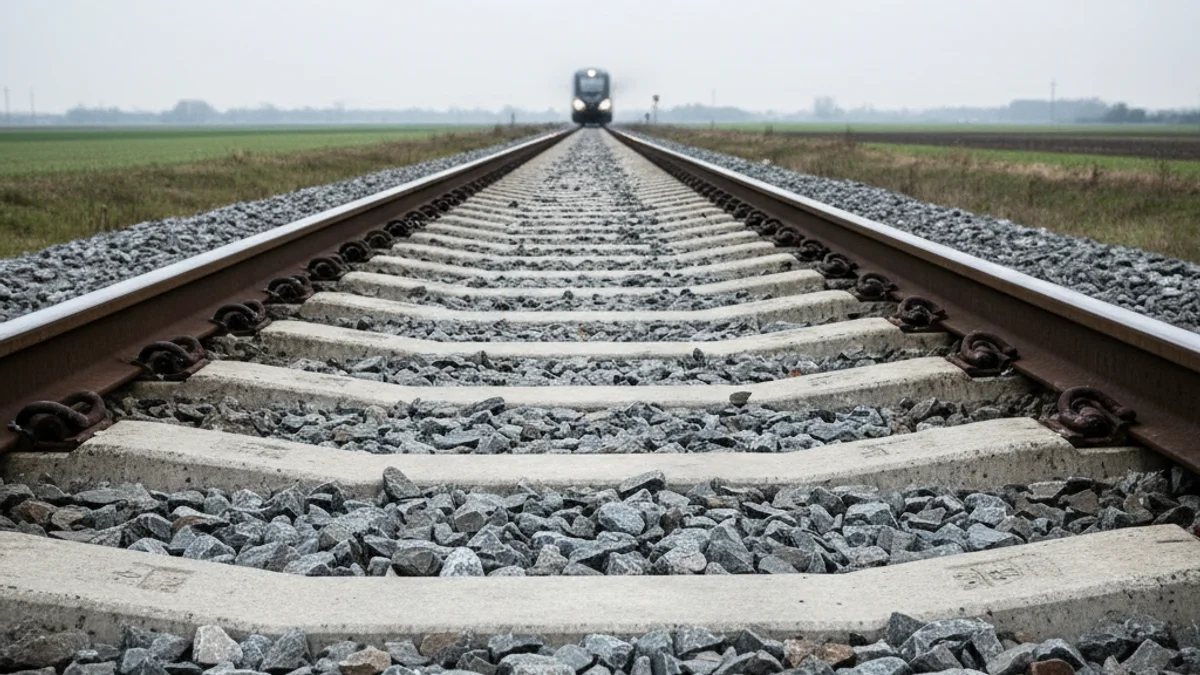
Among the most prominent terms is the Aerotravessa (Aerotie), an improved version of traditional sleepers patented by Adif in 2014, which uses concrete and reduces aerodynamic load. Also fundamental is the Ballast, the bed of granular stone material that holds the sleepers and helps distribute the weight of the trains.
Technical term used to describe an abnormal and sudden interference between a train and any element of the track or surrounding environment, causing a sudden resistance to the convoy's movement.
Track safety relies on Geometric Auscultation (track inspection), a defect analysis process carried out by a special train at 200 km/h, typically twice a year. If problems are detected, the infrastructure authority may impose a Temporary Speed Restriction (TSR) to reduce the maximum speed allowed on a section of track.