The new draft calendar order from the Department of Education and Vocational Training (FP), which seeks to provide stability by setting September 8 as the start date for the next three years, has generated strong rejection among combined primary/secondary schools (instituts escola) in the Girona region. The measure obliges secondary students to have “a maximum of two weekly afternoons without teaching activities,” implying the mandatory implementation of three afternoon sessions. This obligation only affects 25 of the 121 centers in Catalonia that currently run fewer than three afternoons.
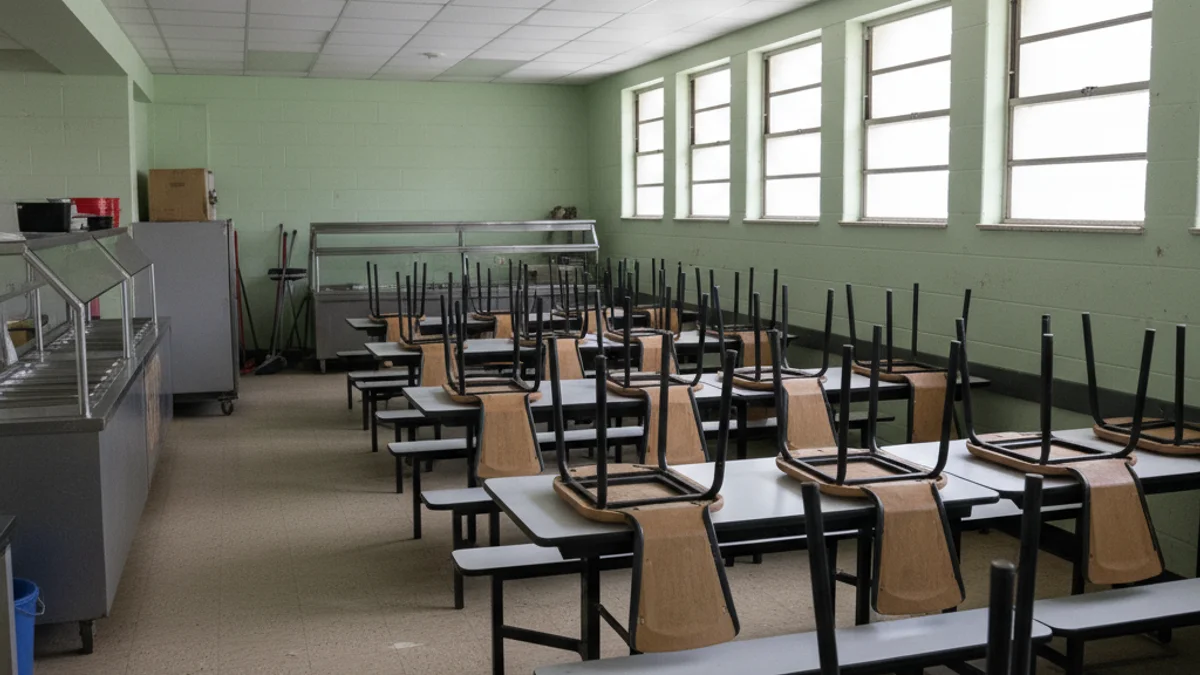
The main concern of the affected centers, such as the Institut Escola Salvador Vilarassa in Besalú or the Francesc Cambó i Batlle in Verges, is the lack of infrastructure, especially dining hall space. Many of these centers obtained exceptions in the past due to their limitations, as the proposed schedule requires secondary students to eat lunch at the school.
“"The Department granted us permission not to hold afternoon classes because we have a very small dining hall pending expansion, where there is only room for primary students, and they told us they would extend the measure until we have a new dining hall."
This situation creates fear of losing enrollment, as families might opt for traditional high schools that maintain the intensive schedule. The director of Besalú, Pep Invernó, regrets that the comparative disadvantage with public high schools that can maintain five free afternoons is significant, in addition to the loss of volunteer projects that ESO students currently carry out in the afternoons.
“"We are happy because the schedule is healthier and more stable for students who are in a growth stage; three days a week students eat lunch at one o'clock and the others at two."
Although centers like the Institut Escola Greda in Olot, which has implemented the three afternoon classes since 2020, defend the model for being healthier and improving the quality of learning, they also acknowledge that implementing five afternoons (the full primary schedule) would be “tremendously complicated in terms of space” and would create insurmountable logistical problems.