ERC deputy, Lluïsa Llop, raised the issue with the Minister of Territory, Sílvia Paneque, during the control session in Parliament. Llop emphasized the structural nature of mobility problems affecting Maresme and the urgency of adopting a new model with a regional perspective, bringing the future route of the R1 to the forefront.
This initiative stems from coordinated efforts by ERC across the region, led by the spokesperson in Calella, Xavier Ponsdomènech, with the participation of local sections, mayors, and regional councilors. Following various mobilizations and a comprehensive diagnostic study, the goal is to convey the "voice of an entire region" to the parliamentary chamber.
“"Maresme's population has doubled in almost 40 years, with nearly 470,000 inhabitants by 2026, but it continues to operate with a mobility system designed for a demographic and social reality that has been surpassed. In Maresme, we do not have a conjunctural mobility problem; we have a structural model problem."
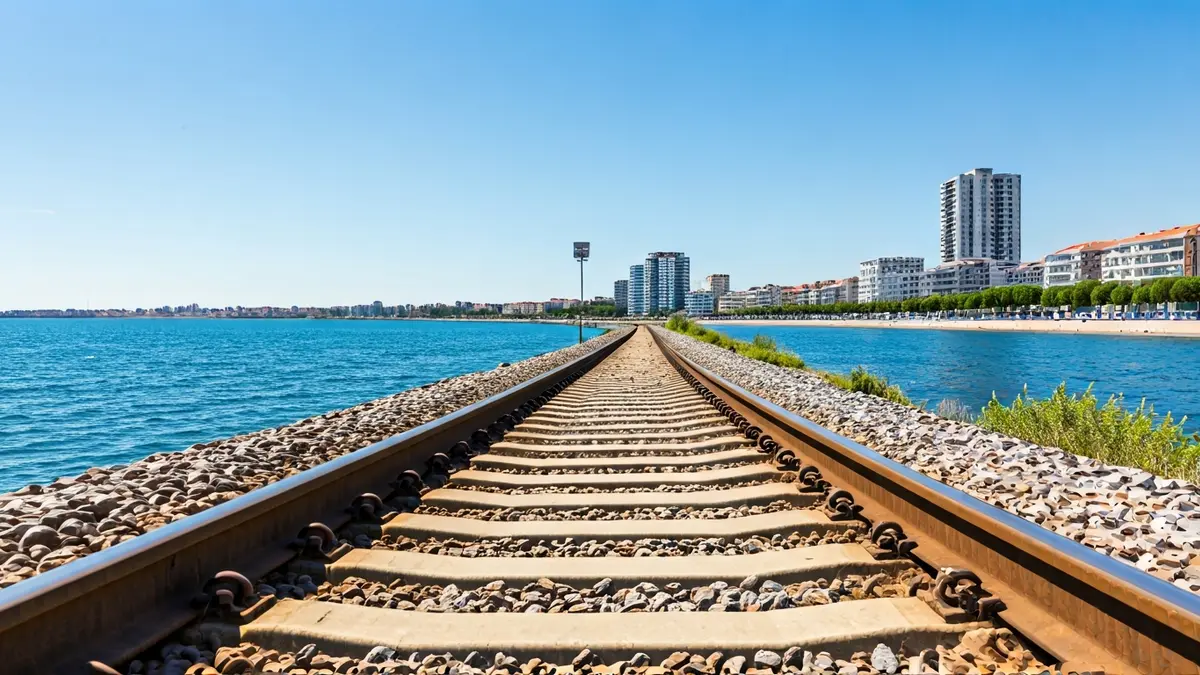
The deputy denounced the aging of the R1 line, the single track in the north of Maresme, accessibility deficiencies, and its high vulnerability to storms and coastal erosion. Therefore, ERC proposes an "unavoidable" debate on the future of the railway corridor, going beyond simple maintenance or emergency plans.
Llop called on the Government for a "rigorous, updated, and programmed study on the future railway model," including the option of progressively relocating the R1 inland. She also pointed out the shortcomings of road transport, indicating that the current bus system is not an effective alternative when trains fail, especially in inland municipalities and some corridors of Baix and Alt Maresme.
Finally, ERC criticized the lack of effective regional governance in mobility, which creates territorial inequality and increases reliance on private vehicles. Fragmented management hinders a structural response and shifts imbalances. Therefore, the deputy demanded from the Government a specific mobility plan for Maresme with a regional vision, prioritization of actions on the R1 and road transport, and the opening of a technical and political debate on the railway's future.