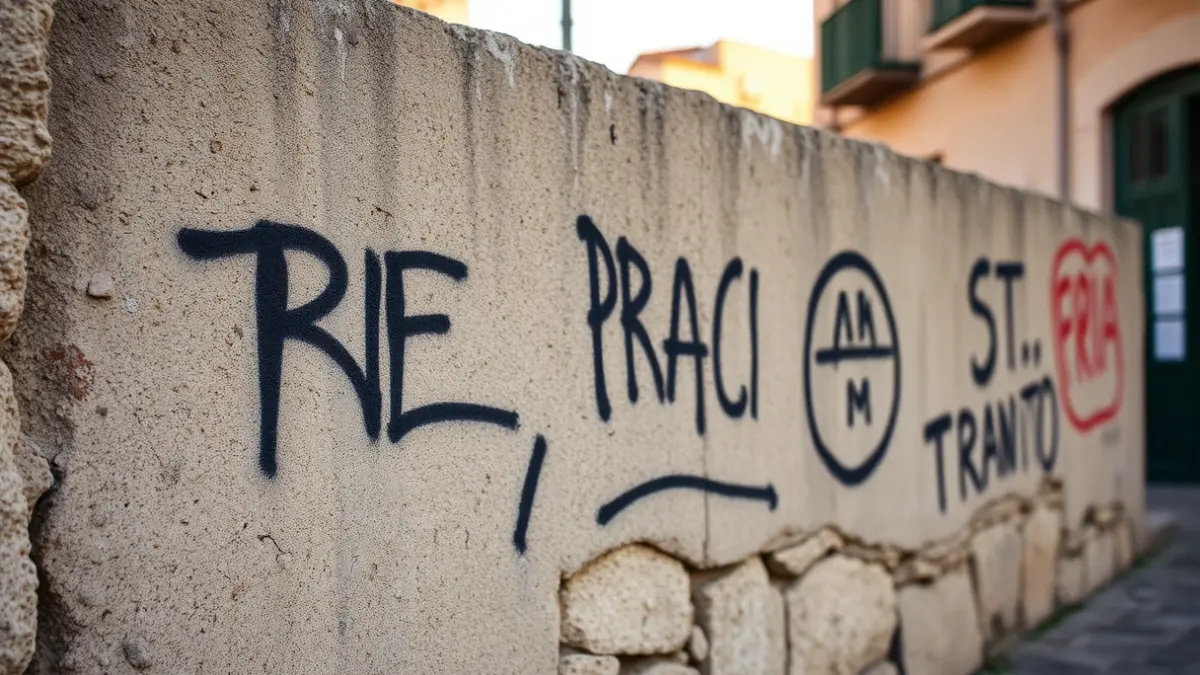
These inscriptions, observed on walls, street furniture, and public facilities since Monday, harken back to the spontaneous campaign of the 1960s. At that time, the young activist was arrested and imprisoned by the Franco regime, and civil society responded with clandestine actions across the country.
The reappearance of the slogan coincides with the former president's judicial summons, subsequently leading to his exoneration, by the Audiencia Nacional. This event has been interpreted by some sectors of Catalan nationalism as an operation of public exposure and attrition. The graffiti, primarily disseminated by the youth wings of a political party and the Joventut Nacionalista de Catalunya, has not been formally claimed by any specific author.
The case of Mataró stands out for its symbolic density, as several elements converge there. On one hand, the former president's family ties to a nearby municipality. On the other hand, the residence in Mataró of one of his daughters, involved in the judicial case that has recently dominated the media and political agenda.
A third relevant factor is the figure of one of the promoters of the original 'Pujol Catalunya' campaign from the 1960s, who resides in Sant Pol de Mar. His trajectory directly connects that clandestine mobilization with the present, suggesting that these new graffiti are not an isolated phenomenon, but a contemporary reinterpretation of a current political imaginary. In Mataró, the graffiti has appeared in central and visible locations such as Plaça de Santa Anna and Plaça de les Tereses, aiming for maximum public exposure.
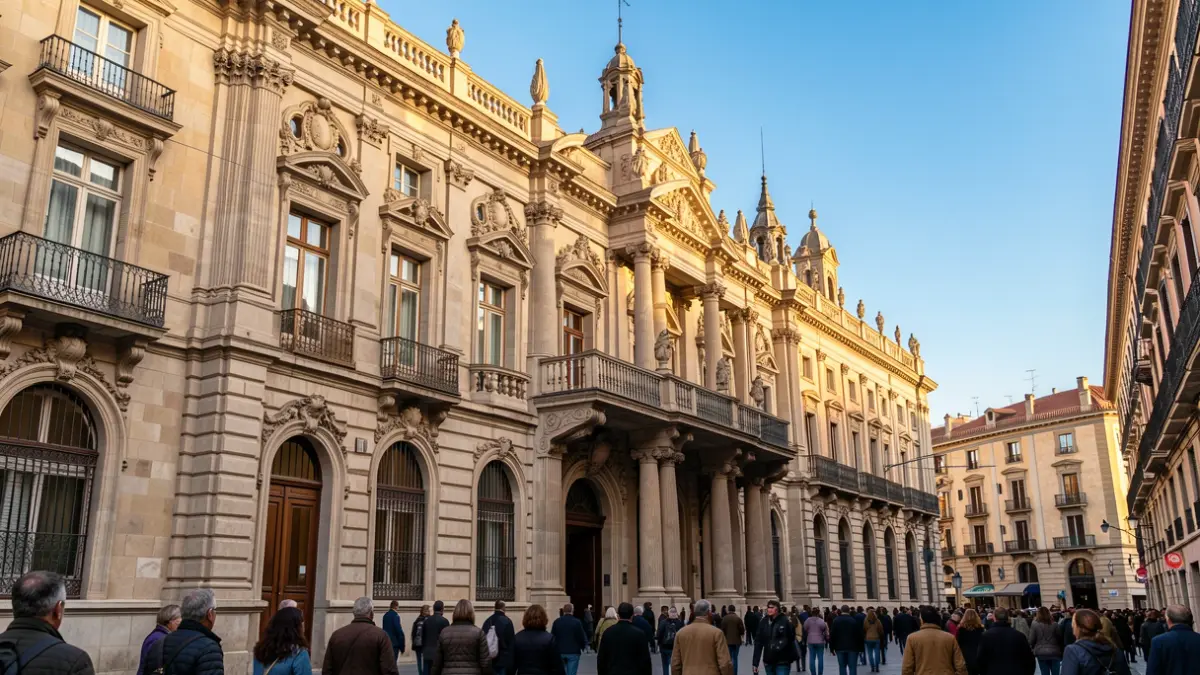
Unlike the actions of the 1960s, which were carried out under the risk of repression, current graffiti is part of a hybrid media ecosystem, combining street action with immediate dissemination on social media. Inscriptions have been seen in places such as the Guardia Civil barracks in Vilanova i la Geltrú and the courthouses in Vilafranca del Penedès, as well as in symbolic spaces like the Palau de la Música Catalana. The recurring presence of the estelada (Catalan independence flag) in some graffiti reinforces the link between the former president's figure and contemporary independentism.