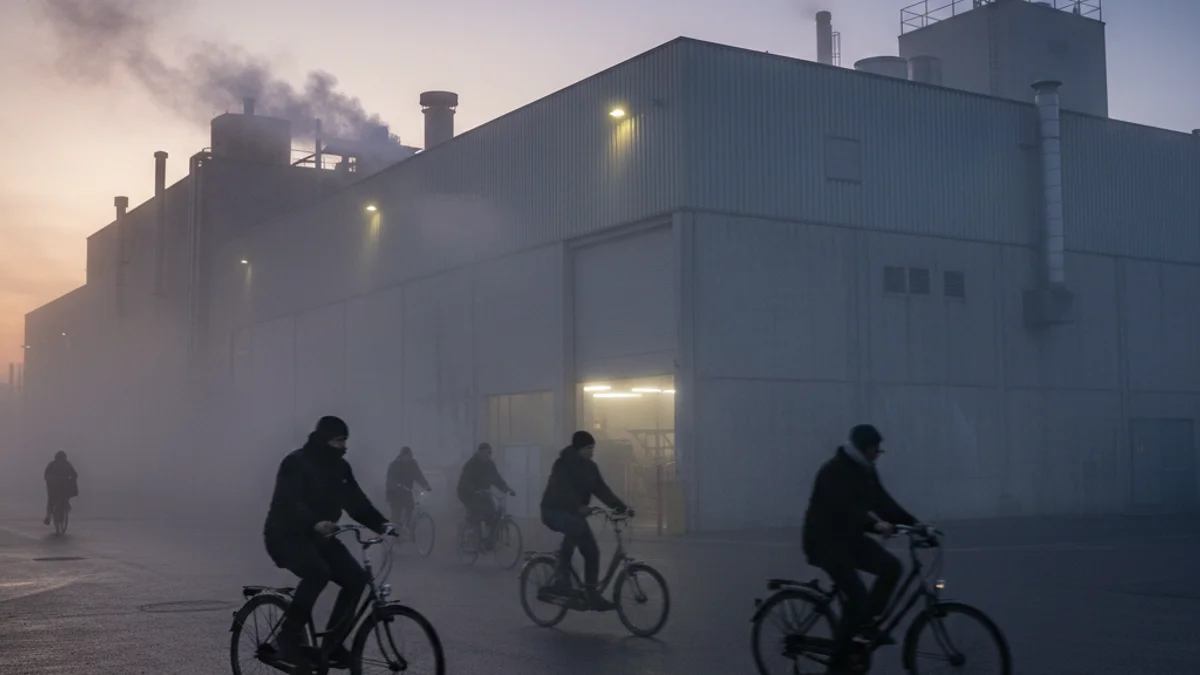
Since 2015, recruitment in the food industry has surged by 67%, with six out of ten workers now being foreign nationals. Despite being the economic engine of the region, towns like Vic and Manlleu have seen almost zero social housing construction since 2013, leading to severe overcrowding and homelessness among workers.
“"The need for labor is a profit for the company and a cost for the City Council."
Local authorities and activists warn of 'real estate racism' and the lack of public transport to industrial hubs. While giants like Casa Tarradellas report record revenues, many employees must walk or cycle in the dark to reach slaughterhouses in Santa Eugènia de Berga or Gurb, highlighting a stark gap between corporate success and social reality.