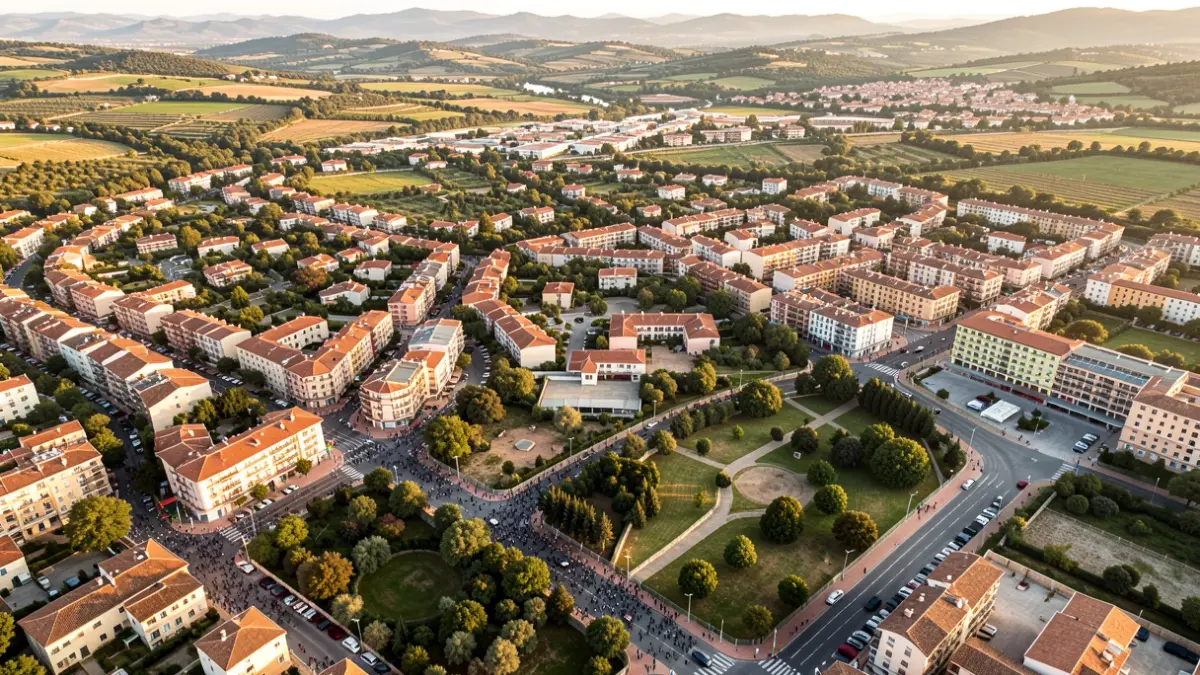
The council has submitted the proposal "Connectem Banyoles: transformem els barris de Canaleta, Barri Vell Est i la Farga" for the second call of the Plan de Barris i Viles de Catalunya 2025-2029. The project outlines 33 actions over the next five years to improve quality of life, generate opportunities, and strengthen ties between the neighborhoods and the rest of the city.
The total investment of 25 million euros would be 60% funded by the Generalitat de Catalunya if the project is selected. Mayor Miquel Noguer highlighted that the proposal has been modified and improved from the initial submission, resulting in an "even more solid" candidacy aimed at making Banyoles a "friendlier and more equitable" city.
The plan is structured around three main axes: physical transformation of spaces, including improvements in mobility and accessibility; ecological transition, with the expansion of natural areas and the creation of a climate refuge; and socio-community action, focused on cohesion and equal opportunities.
Key actions include transforming public spaces in the Canaleta neighborhood, energy rehabilitation of housing, improving building accessibility, and renovating the former Providència to house the future Banyoles Library. The project also plans for the creation of Micro-spaces, a multipurpose area in La Farga, safe connections, renaturalization of streams, and a pilot waste management plan.
Furthermore, the project involves repurposing the Cooperativa as a sociocultural hub, community outreach, security measures, family support, strengthening responses to gender-based violence, and creating spaces for health and physical activity. It also aims to boost local commerce, proximity economic activity, and social economy through the Recuperadors project.