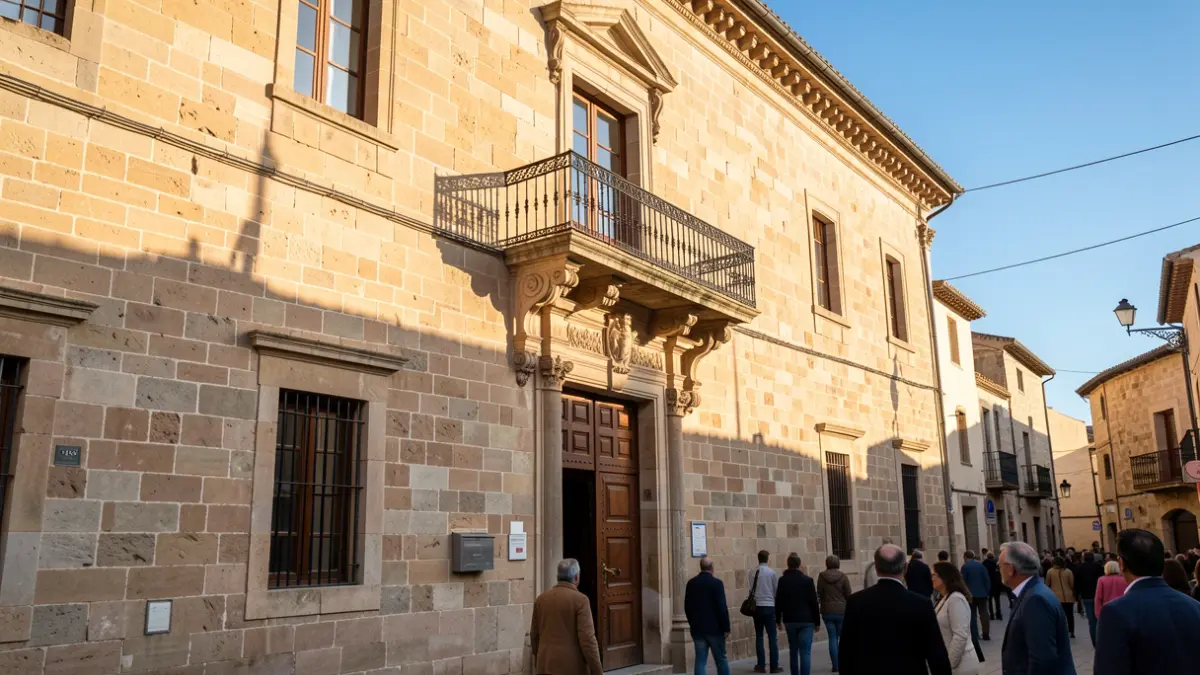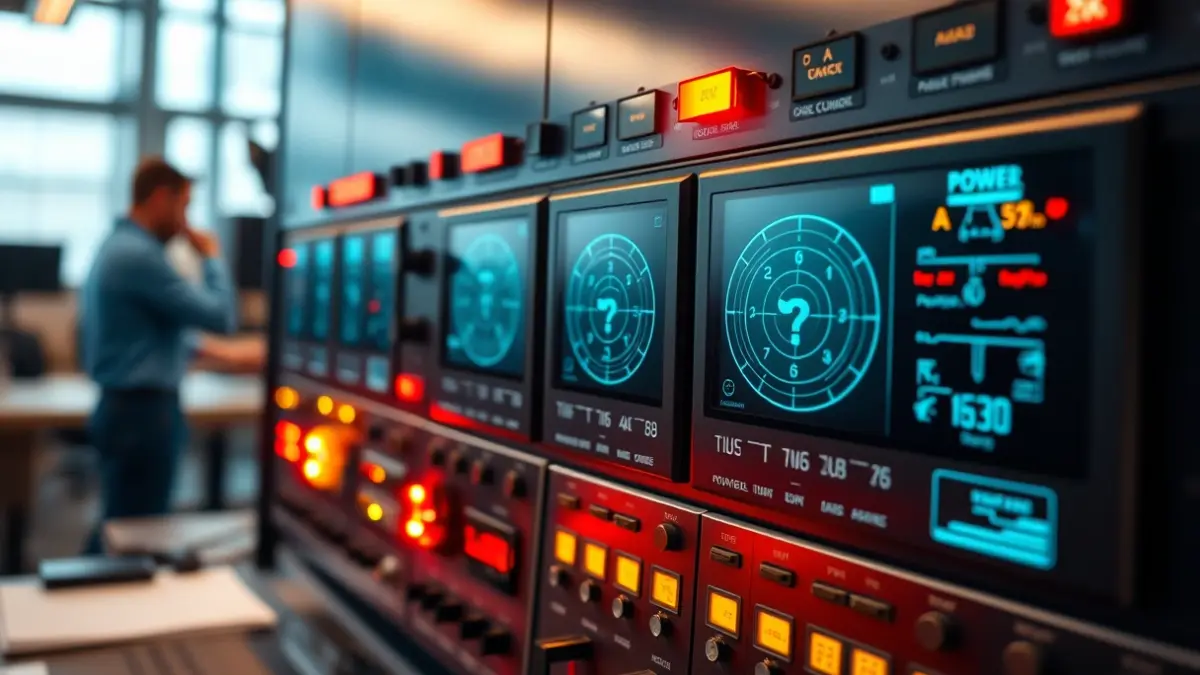
The incident, which began at 12:33:27 PM, paralyzed daily activities, forcing many to seek alternatives like flashlights and candles, while others went out to enjoy the unexpected situation. Full service restoration did not occur until 14 hours later.
“"It was the "most serious and unprecedented blackout that has occurred in Europe in the last 20 years."
According to the final report by ENTSO-E, the interruption, known as "electrical zero," was the result of a chain of factors. One year later, experts continue to analyze the causes and consequences of this event, as well as the measures taken to prevent its recurrence.
Most specialists agree that the sequence of events on April 28 is well-documented: an uncontrolled overvoltage problem caused massive generation disconnections, further increasing tension until the Iberian Peninsula lost synchronization with the rest of continental Europe. Service was partially restored before midnight and almost fully by 7 AM the next day.
Opinions differ on the factors that contributed to this overvoltage. Some point to overly tight operating margins, others to the lack of contribution from conventional plants to control voltage, and still others to outdated regulations given the growing importance of renewable energies.
Regarding responsibilities, discrepancies are greater. Many experts believe that the courts will have to determine them, as independent reports point to multiple causes without a clear culprit. The CNMC has already opened about fifty sanctioning proceedings, including against Red Eléctrica (with very serious classifications), major energy companies such as Endesa, Iberdrola, and Naturgy, and the nuclear associations of Ascó-Vandellòs and Almaraz-Trillo.
Although the resolution of these proceedings may take up to 18 months, the general opinion is that the probability of a repeat of a blackout of this magnitude is very low. The incident has marked a before and after in electricity system management, with the approval of new regulations and increased control and supervision.
One of the most notable measures is the "reinforced operation of Red Eléctrica," which expands the activity of hydraulic and gas power plants to ensure voltage control in the network, although this temporary solution remains in effect and increases consumer bills. The blackout has also accelerated the implementation of a new voltage control system that allows the participation of renewable energies, a function previously only performed by conventional plants.