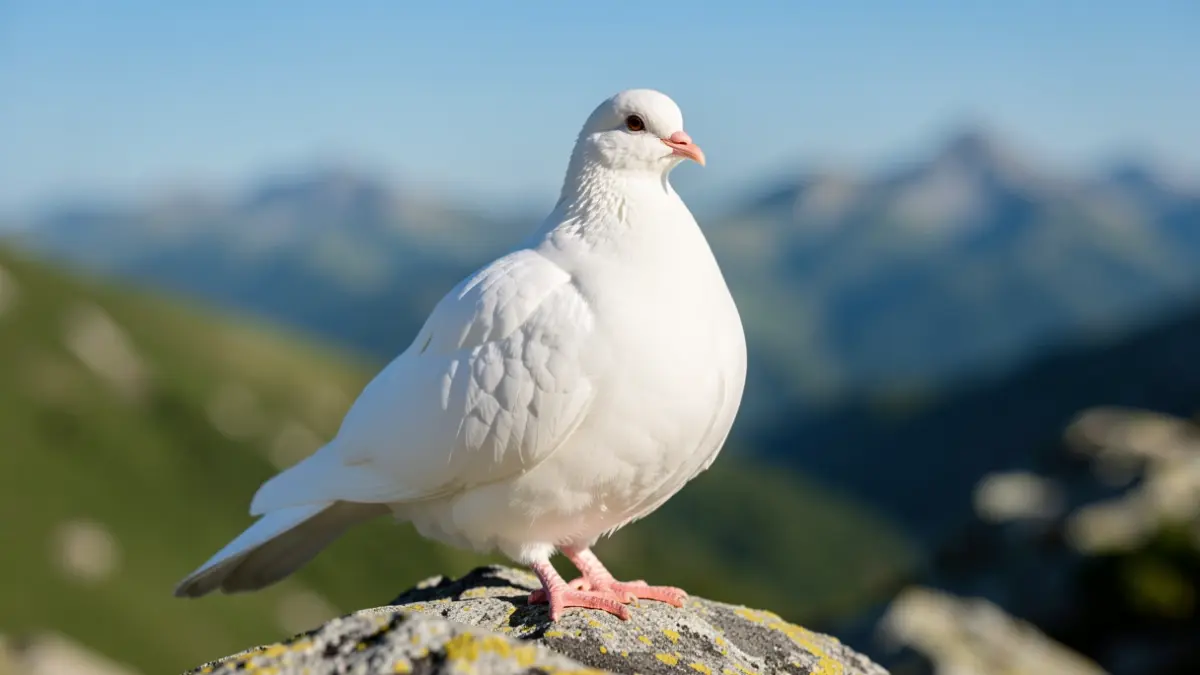
White partridge censuses in Ripollès, carried out by the Natural Park of the Ter and Freser Headwaters, show a breeding rate of less than half a chick per adult. This data highlights a concerning situation for the species, which may be in regression.
According to Anna Planella, the park's natural heritage technician, the situation varies by area. While in central zones like Puigmal or Bastiments breeding appears to be maintained, in more peripheral areas, such as towards Balandrau or Costabona, no breeding is detected. Song censuses reveal an average of 3 males per 100 hectares, a figure considered very low.
In a slightly less critical situation is the Pyrenean owl (mussol pirinenc), another emblematic species of this protected territory. Monitoring of this bird is conducted using song recordings and by inspecting natural cavities, trees, and nest boxes.
Planella notes that, although the Pyrenean owl appears to be in a better state of conservation, no breeding has been detected this year in any of the cavities or nest boxes under the park's control. The Natural Park continues to work on monitoring other species and conserving the area's biodiversity.