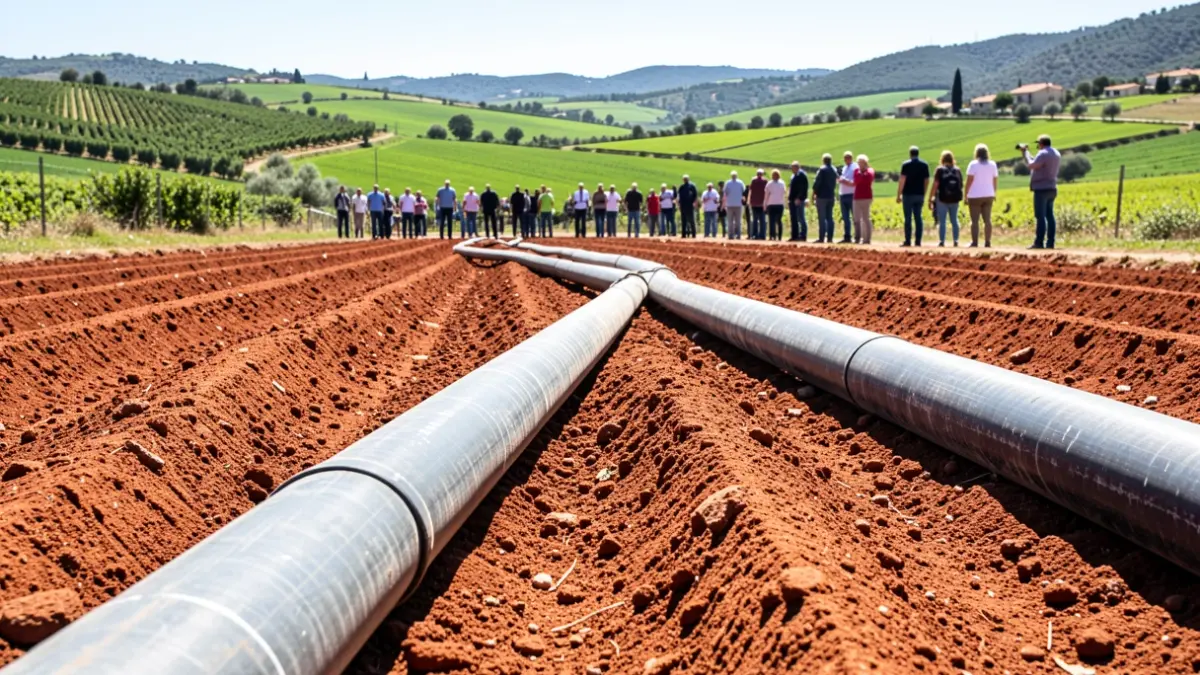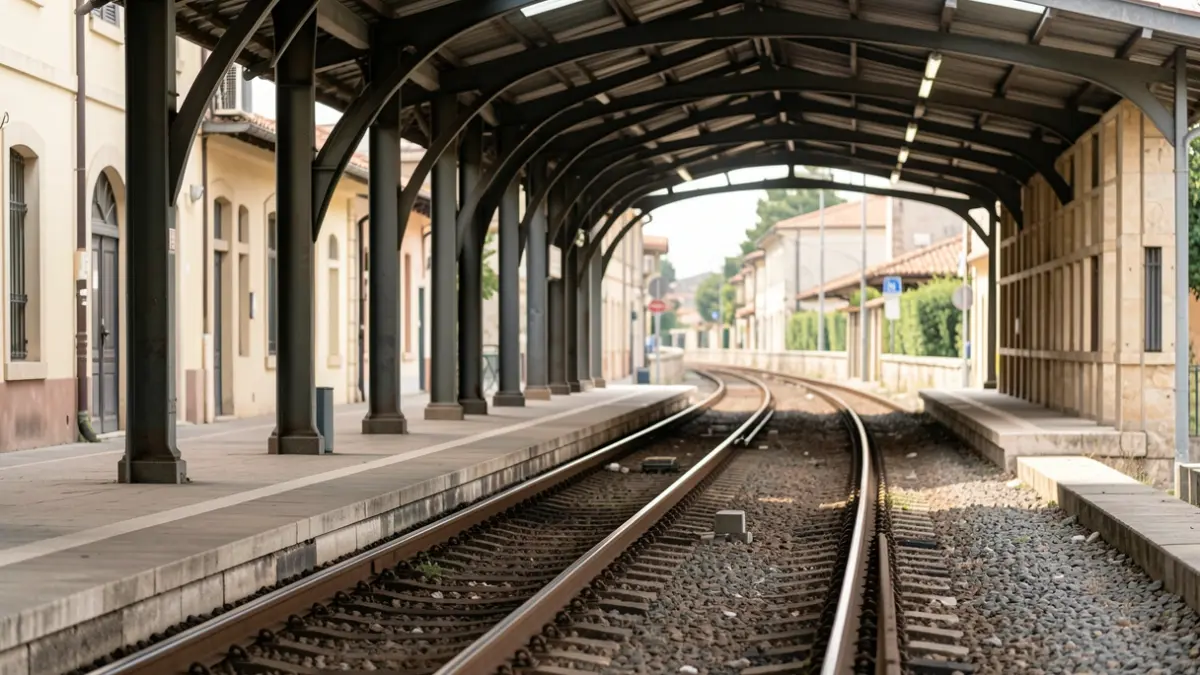
A meeting held at the decentralized municipal entity of Raimat brought together mayors and technicians from towns along the Lleida-Montsó line to define a roadmap for boosting this commuter rail service and making it more competitive.
According to technical documents, the line has the capacity for eleven daily trains per direction, including early morning services. The aim is to allow passengers to reach workplaces and key centers, as well as to facilitate access to AVE and Avant high-speed trains towards Madrid and Barcelona.
Investments are planned to improve stations and stops, with the possibility of rebuilding or constructing new infrastructure, such as the Raimat stop. Furthermore, the goal is to unify the transport ticket for all integrated mobility systems, promoting collaboration between administrations.
The mayor of Lleida, Fèlix Larrosa, compared the situation to the lines serving Balaguer and Cervera, which already have a significant number of users, and stressed the need for frequencies and comfort to attract passengers to the Montsó line.
Municipal representatives have agreed to conduct "hybrid delegations," with participation from Lleida and Aragonese municipalities in meetings with the Government of Aragon and the Generalitat, respectively, to address this issue from a municipalist perspective.
Among the project's complexities, they highlighted the need for the service to be considered a public service obligation, agreement among administrations with different competencies, defining funding, and promoting sustainable mobility.
For her part, the mayoress of Esplús and president of the Llitera region, Tania Solans, emphasized that the line is a "clear commitment to sustainable mobility" and meets an essential need for the future of the regions, encouraging people to live in the villages and adding value to the industrial confluence area.