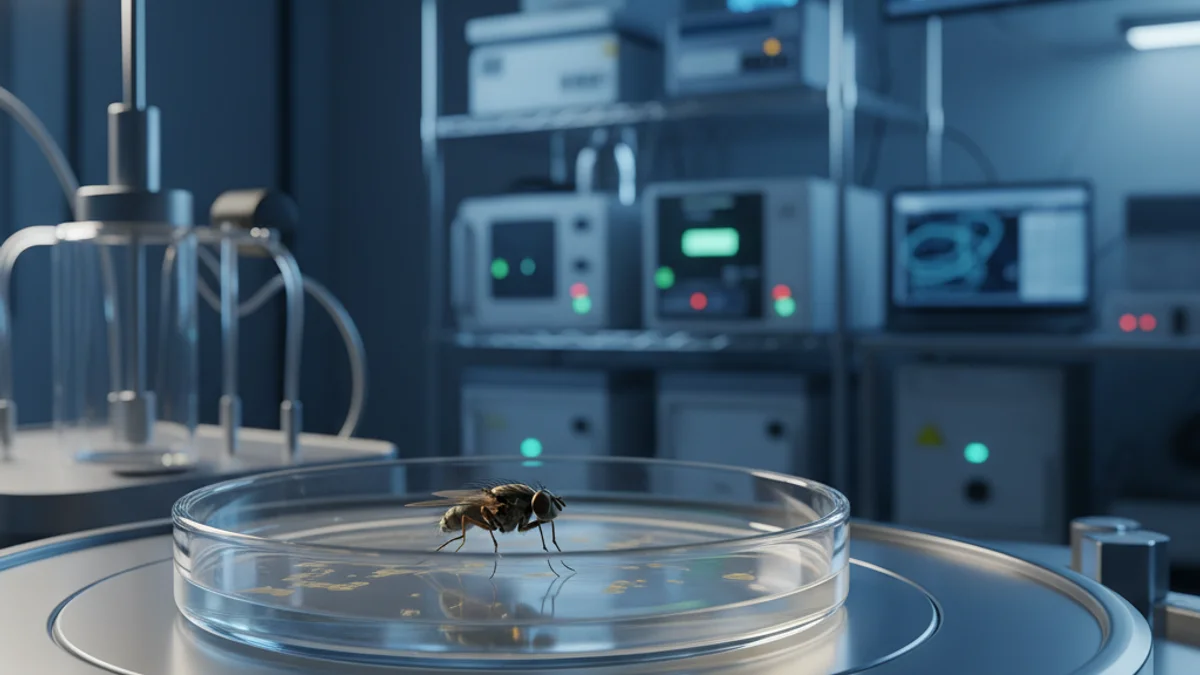
The study, published in the journal Scientific Reports, used fruit flies as experimental models. These insects share about 70% of their genes with humans, making them ideal for studying how neuron-tumor communication affects cancer progression.
The team identified the Slowpoke channel, which facilitates calcium-dependent signaling. Findings show that this mechanism promotes tumor proliferation. When this channel was removed in the models, survival rates improved significantly.
Led by researcher Lía Alza and directed by professors Carles Cantí and Judit Herreros, the study also involved experts Andreu Casali and Sergio Casas-Tinto from the Carlos III Health Institute.