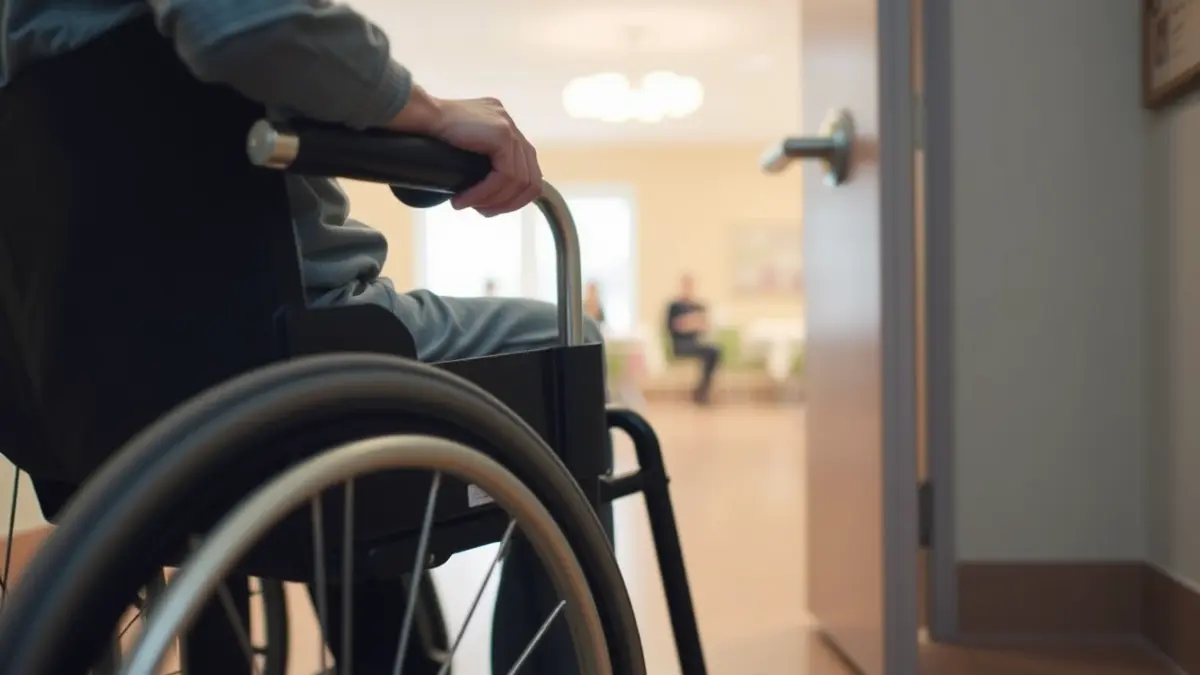
Several users with reduced mobility have expressed their dissatisfaction with the lack of accessibility at the main cafeteria of Arnau de Vilanova Hospital in Lleida. The complaints, which appeared on an anonymous poster at the venue, located outside the hospital but adjacent to the main entrance, indicate that the establishment is not adapted for wheelchairs, crutches, or walkers, making entry difficult without assistance.
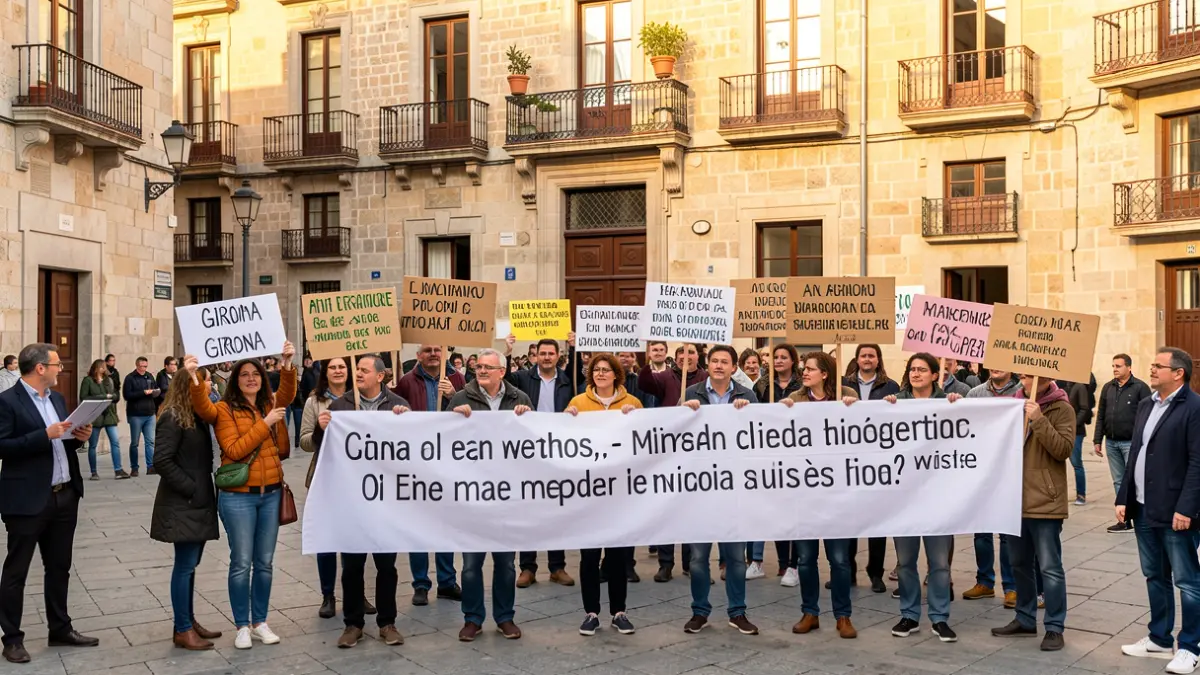
“"We demand automatic doors and compliance with Decree 209/2023 of the accessibility code of Catalonia."
The Association of Paraplegics and Physically Disabled of Lleida (Aspid), while not the author of the poster, has supported the complaint. A spokesperson for the entity, a wheelchair user, highlighted that the main obstacle is the double access door, both manual and opening in opposite directions. Furthermore, the misalignment of the doors forces a complicated turn over unadapted mats that slow down and divert wheelchairs.
Other issues identified include the height of the shelves, which prevents viewing dishes, and the difficulty of paying by card due to the elevated terminal. The layout of the tables also hinders access to adapted restrooms, located at the other end of the entrance.
In response to these complaints, the hospital has announced planned works for “adaptation, expansion, and remodeling” of the space for next summer. A hospital spokesperson assured that these actions will include improvements in accessibility and functionality, especially regarding access points, internal mobility, and the display of products. Motorized valves will also be installed to optimize climate control.
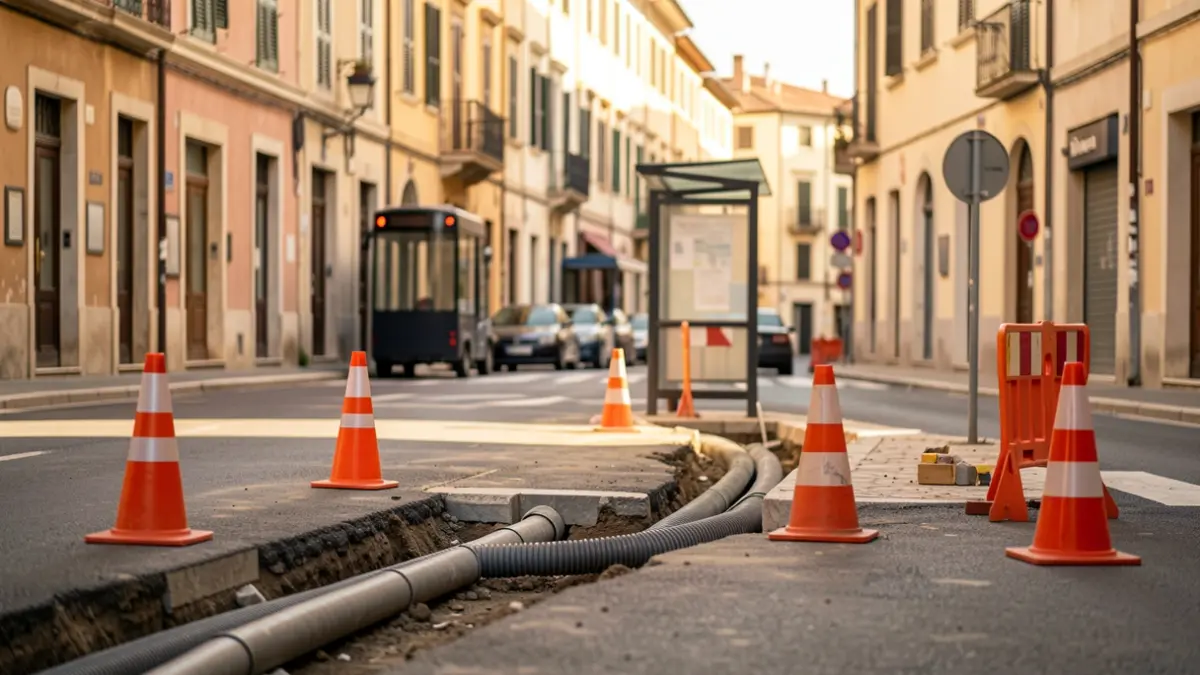
Beyond the hospital, the Aspid spokesperson noted that, although Lleida is not among the most hostile cities in terms of accessibility, there are old streets, especially outside the Historic Center, with narrow sidewalks or steep slopes that require renovation. The street Corts Catalanes was cited as an example.