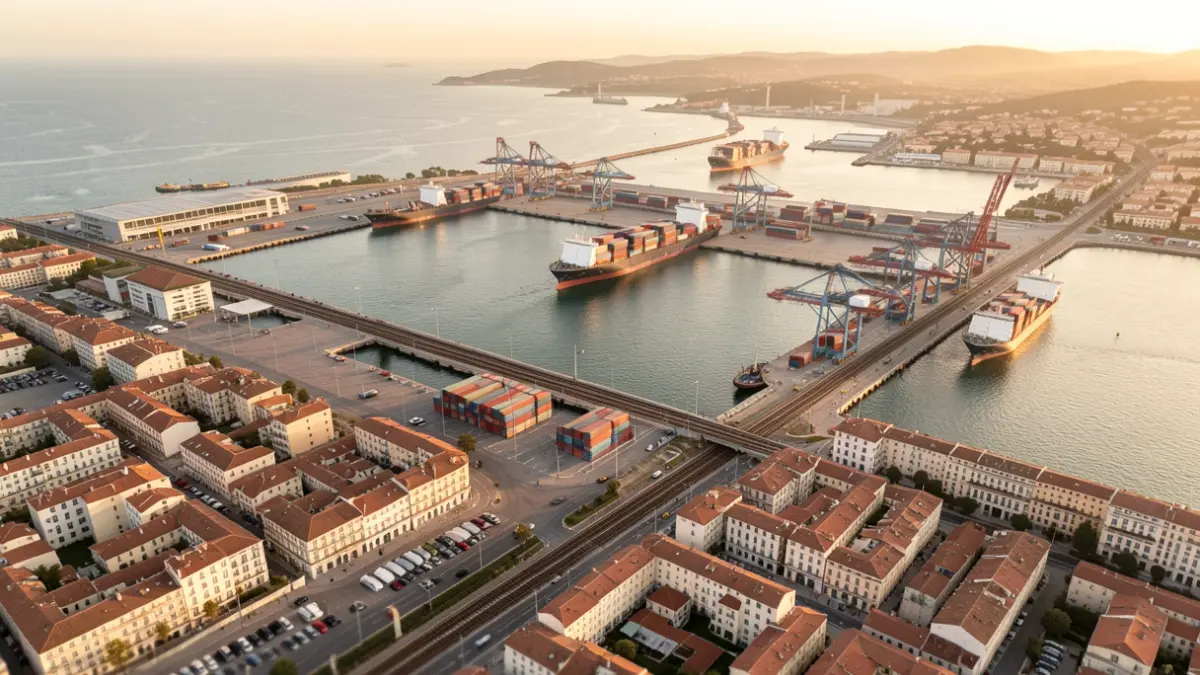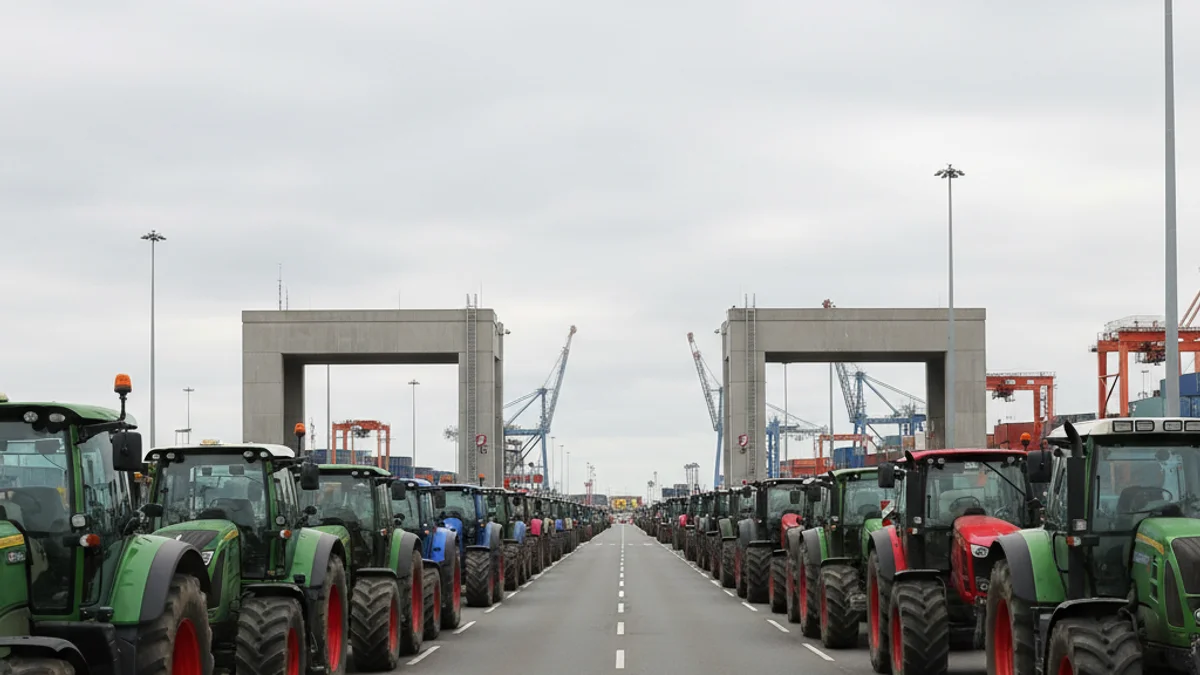
The blockade, which affects the entry and exit of the premises except for emergency services, aims to highlight the deep crisis facing agriculture and livestock farming in Catalonia. The president of the Gremi de la Pagesia Catalana, Joan Regolf, explained that the protest focuses on the potential signing of the agreement between the European Union and Mercosur, a treaty that, according to him, turns the sector into a 'bargaining chip' in the face of other crises.
“"If they want to ruin us, they should tell us, but at least we will fight until the last moment."
Regolf detailed that the Mercosur agreement would affect all crops, citing the arrival of citrus fruits and rice shipments without the same controls required of European producers. From Amposta, rice producer Jordi Margalef warned that the entry of 80,000 tons of rice from South America would cause a 'brutal price drop,' with potential decreases of 25%.
Protesters insist that the competition is unfair, as imported products from countries like Brazil or Argentina do not comply with the same sanitary and phytosanitary standards. Livestock farmer Egoitz Azkue, from Marçà, compared the situation by saying that local producers run 'with a backpack on their backs' while importers do so 'on a scooter.' Furthermore, they stressed the risk to consumers, as poor labeling prevents differentiating the origin and real quality of the food.