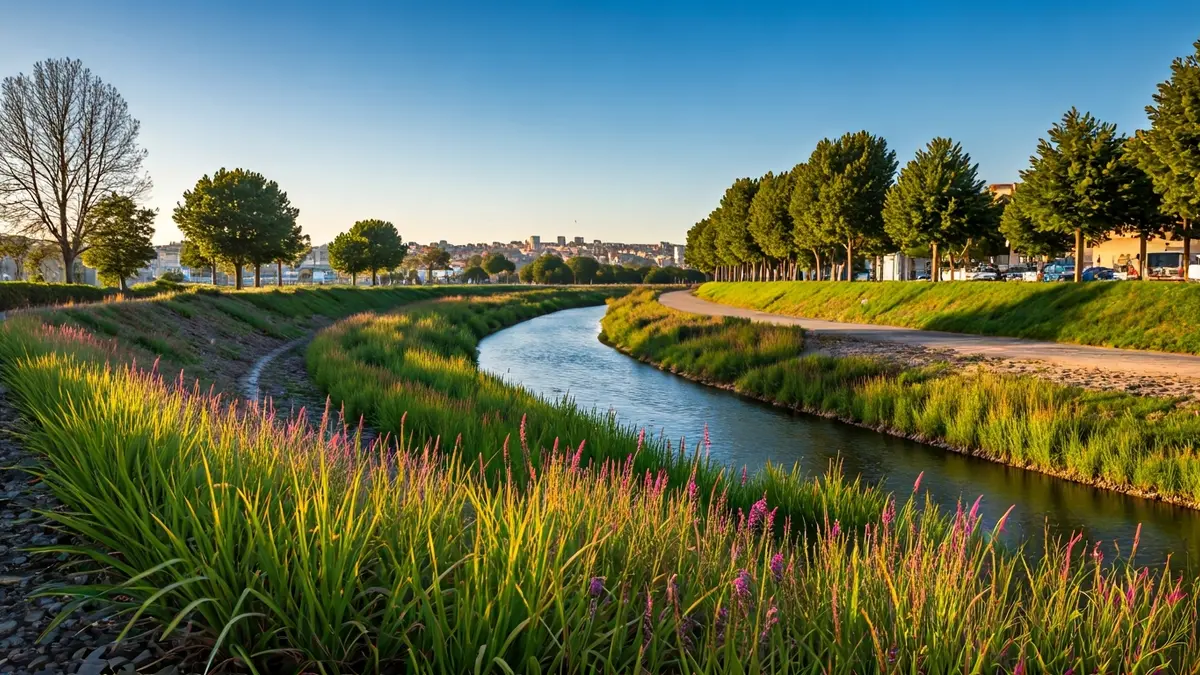
This initiative, considered the largest environmental investment in the city's history, has significantly impacted the surroundings of the Francolí river, the Miracle and Arrabassada beaches, the Muntanyeta park, and Mas Rosselló, among others. The project also lays the groundwork for the planning of the Green Ring, aiming to enhance biodiversity, combat climate change, and protect the coastline.
“"All this means sustainability for our city, but above all, it means a new way of understanding Tarragona."
Mayor Rubén Viñuales emphasized that these renovated spaces not only contribute to sustainability but also act as climate refuges and improve the quality of life for citizens.
Most of the actions, with an investment of 1.4 million euros, have focused on the Francolí river. The river's sinuosity has been modified to favor water infiltration into the subsoil, 35,200 m² of American cane have been removed to promote native flora, and 272,000 m² of the left bank have been environmentally restored. Additionally, 3.2 kilometers of paths have been adapted, and two fountains have been recovered and a thousand trees planted in the Francolí Park.
At Miracle beach, one of the most visible interventions has been the demolition of the platform. The resulting space will be renaturalized with a project from the council to be executed by the Ministry for Ecological Transition. Meanwhile, the mayor announced that this summer, beach volleyball courts, petanque, and a calisthenics area will be installed, with an investment of 50,000 euros.
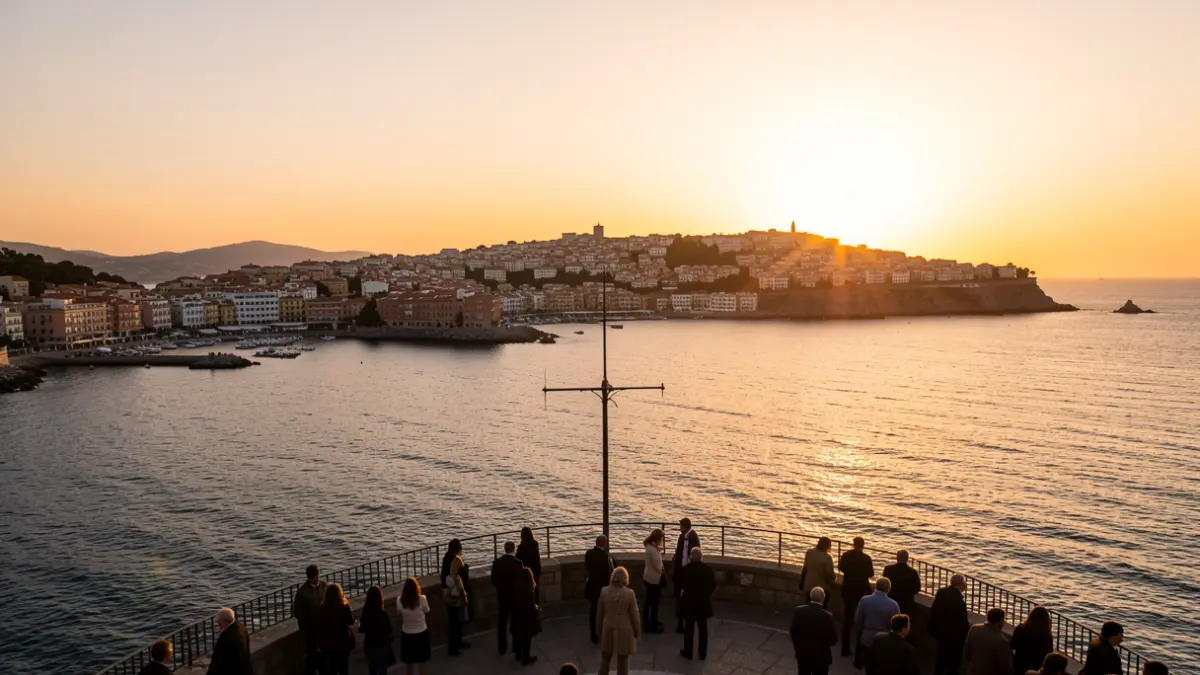
Arrabassada beach has seen a dune intervention with the incorporation of flora adapted to sandy and marine environments, and the rock area has been cordoned off to allow free vegetation growth, also eliminating American cane. Between Arrabassada and Miracle, the exterior of Mas Rosselló has been recovered, creating a sea viewpoint with previously unknown views and improving access with wooden railings.
In the Muntanyeta Park, in Sant Pere i Sant Pau, 1,200 trees have been planted, many of them fruit trees, to foster biodiversity and serve as food for birds. Nest boxes have also been installed. This space, which was once a landfill, had not received any interventions for 20 years. Other benefited areas include the Pont del Diable eco-historic park, the Mediterranean Ring park, and Riu Clar.