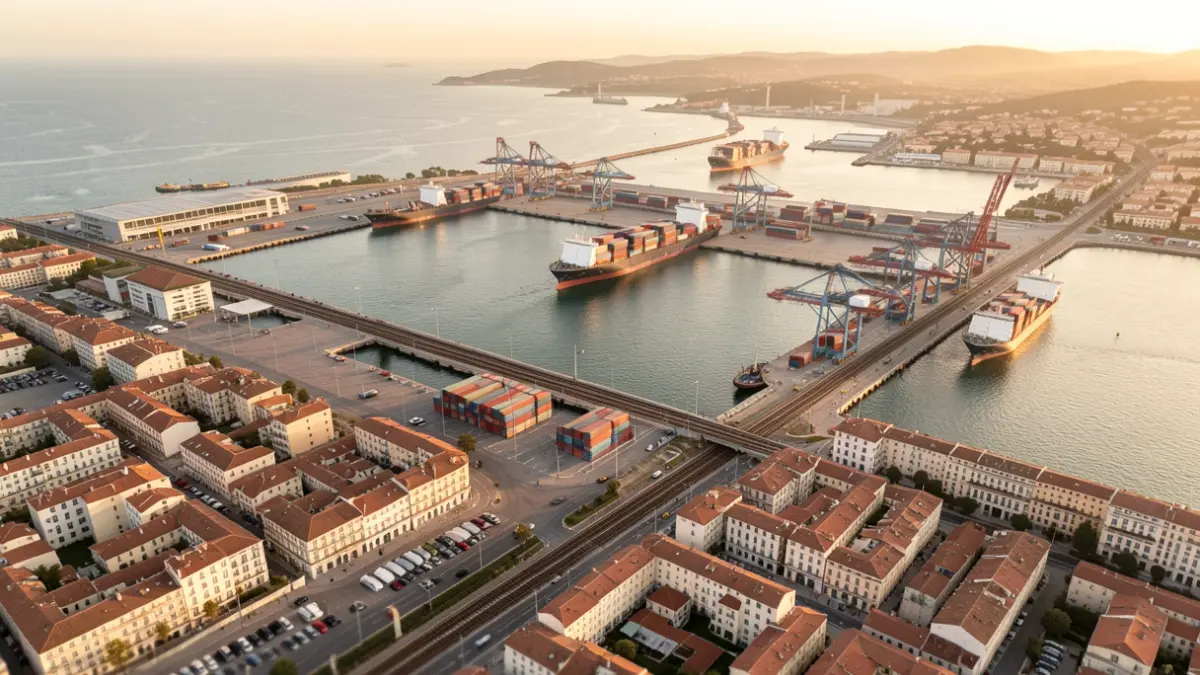
The sector faces serious difficulties marked by high energy costs, compensation for CO2 emission rights, and complex raw material imports. Sancho stressed that, according to forecasts, the negative dynamic of recent years is expected to continue throughout 2026.
“"We have the support of the governments, but perhaps we do not always agree on the sense of urgency."
The AEQT’s goal is to transform Tarragona into a decarbonized “great multi-energy hub,” based on renewable and circular products. To achieve this, the entity demands incentives and financing for electrification and decarbonization projects, noting that production in Spain has fallen by 9% since 2020.
“"We need decarbonization incentives and we need financing and subsidies that allow us to carry out these projects."
Among the positive elements, Sancho highlighted the construction of the Ecoplanta, which will produce circular methanol from urban solid waste, and the electrical infrastructure plan. The approval of a 150-megawatt green hydrogen electrolyzer is also expected in 2026, although it will not be sufficient for the entire industry.
Finally, the AEQT welcomed the European Commission's moratorium on the sale of combustion vehicles beyond 2035, as it favors renewable fuels. The industry is also working on the submarine CO2 storage project, named TarraCO2, which the EC will finance with over 200 million euros.