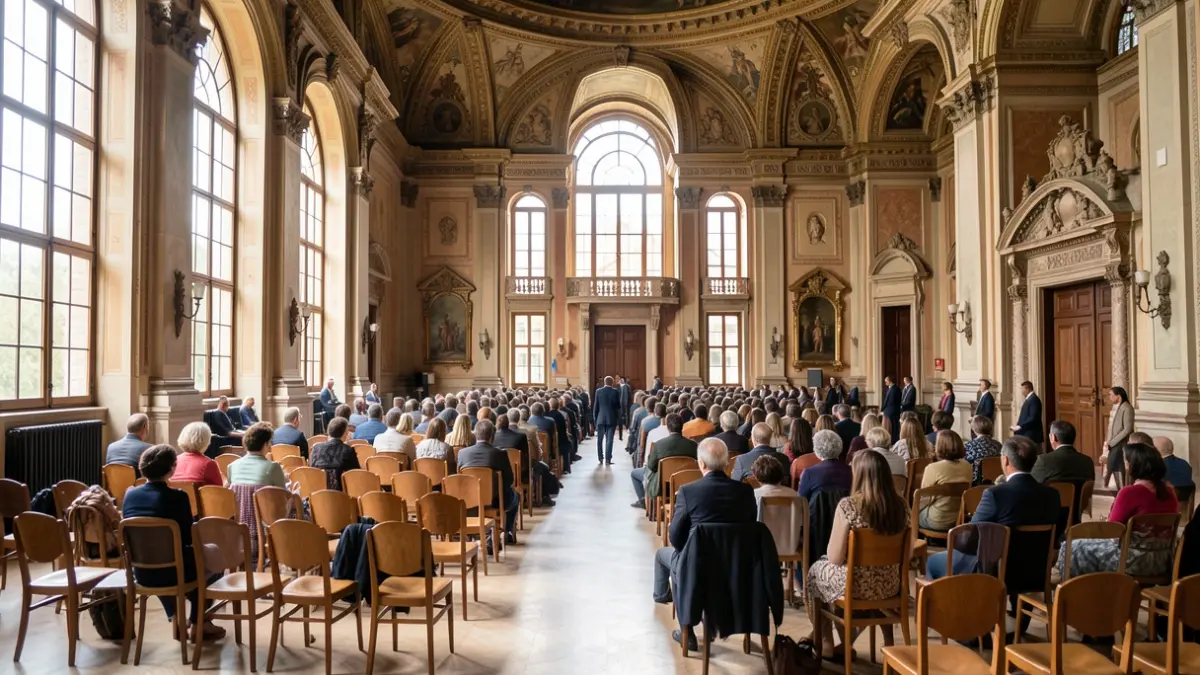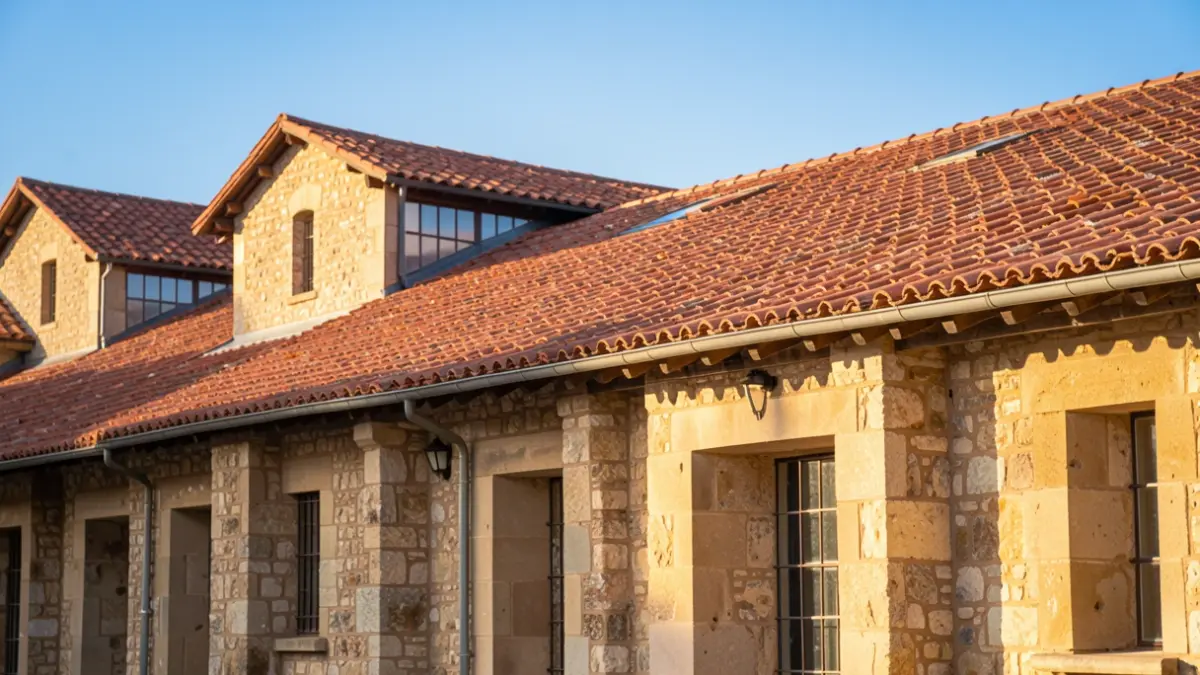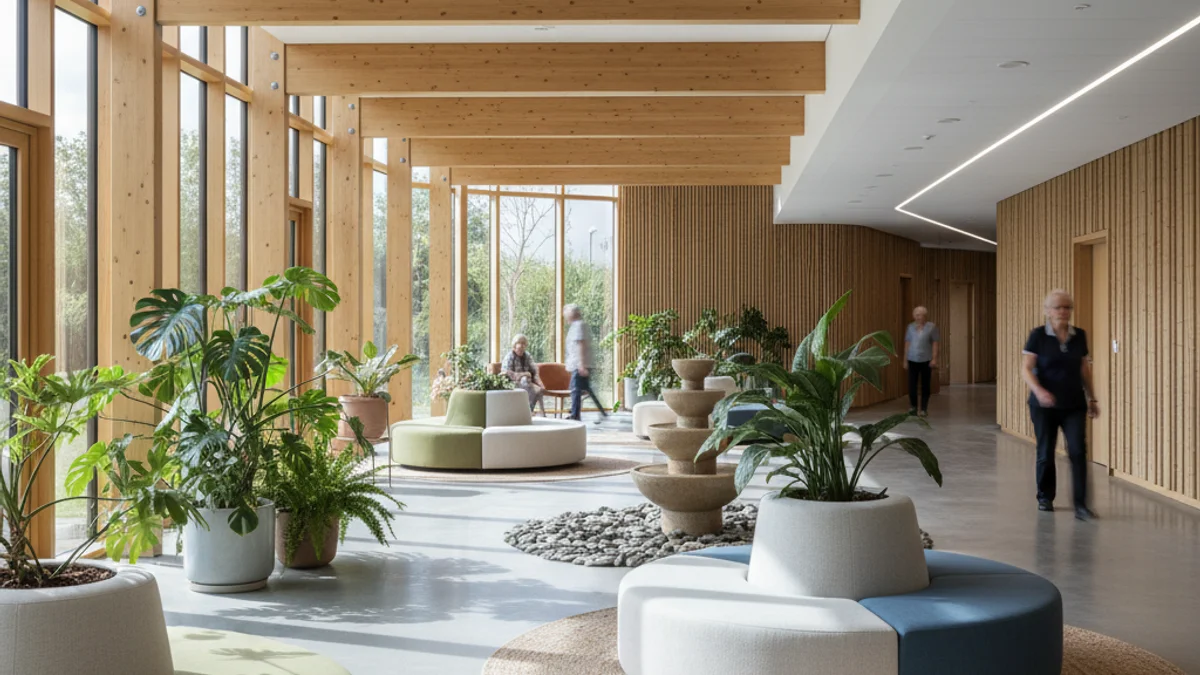
The new center, long demanded by the Association of Relatives of Alzheimer's Patients of Tàrrega and Comarca (AFATC), is named after the area where it is located and aims to be a space for memory reinforcement and support. The building cost over 3 million euros, with key contributions from the Generalitat (2.7 million), the Diputació de Lleida (400,000 euros), and the Tàrrega City Council, which donated the 3,300 square meter land.
“"It is a source of pride and an honor to help build dreams for a stronger and fairer Catalonia, offering an excellent public service that improves user care close to home."
The facility will significantly expand the care capacity. While the current center served about 60 users, the new facilities will be able to accommodate more than a hundred people, although it will initially start operating with about seventy places. The center is expected to open during the first quarter of 2026, once all permits from the Generalitat are obtained.
“"We are inaugurating a collective commitment to the dignity, care, and memory of people. It has cost us blood, sweat, and tears, but today it is our crown jewel."
During the event, the mayor of Tàrrega, Alba Pijuan, stressed that “it has been a long road” but “that dream is a reality today,” highlighting the symbolism of the name Els Pilars (The Pillars) for the “strength, stability, and security” it will offer. For his part, the president of the Diputació de Lleida, Joan Talarn, praised the “institutional collaboration and territoriality” of the project, defining it as “a center of solidarity and welcome.”