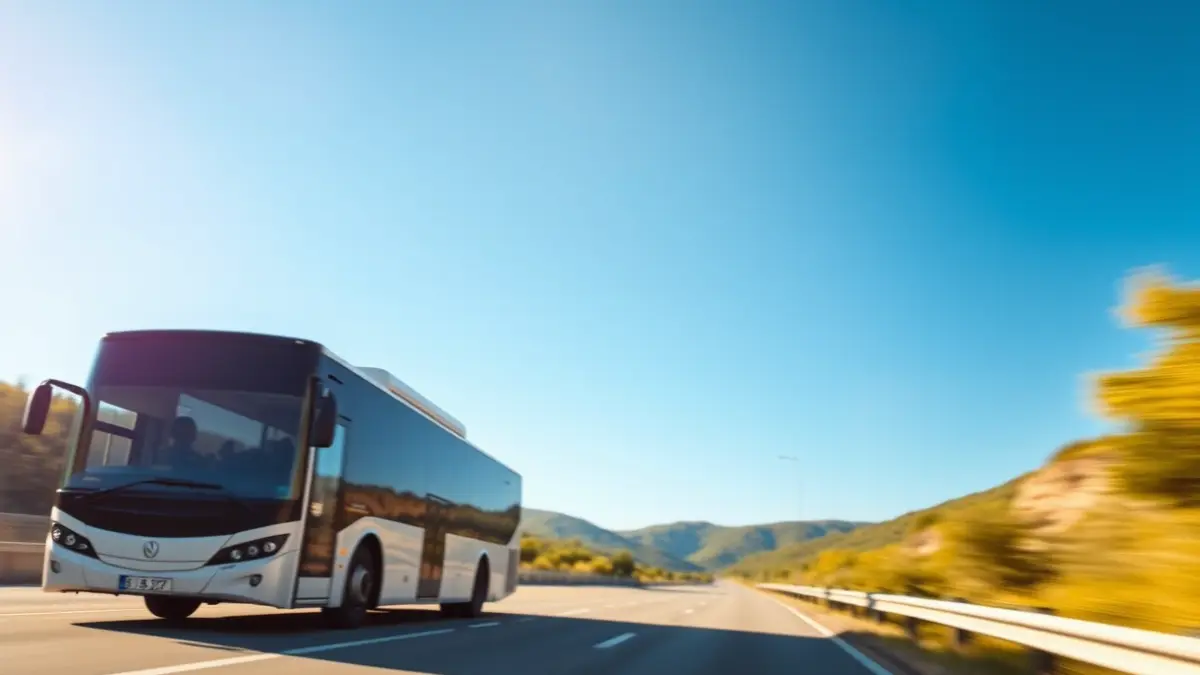
This initiative, announced by the Minister of Territory, Sílvia Paneque, aims to decongest a total of 94 routes across Catalonia. Following the approval of the economic allocation, the Generalitat will meet with affected municipalities to specify the urgent actions to be implemented on each route, with improvements expected to be effective within four to six months.
“"Interurban buses are a fundamental part of the country's mobility map."
The minister emphasized the importance of this mode of transport, which has absorbed the increase in users following the railway crisis that began in January. Since 2019, the number of passengers has risen by 20 million journeys, highlighting the current relevance of the service. The plan will focus on the most saturated lines, where users often travel standing or are left waiting for the next vehicle.
Furthermore, services providing access to educational, social, or health centers will be prioritized, as demand has increased by 10% to 30%, especially in corridors where Rodalies users have switched to buses. The Terrassa plenary session already approved an agreement in March to demand urgent solutions for the express e2.2 line, which connects with the Zona Universitària de Barcelona. This route recorded 113,179 passengers in 2025, a 14.8% increase from the previous year, leading to complaints about saturation.
Road passenger transport has experienced continuous demand growth in recent years, reaching a historic high of 90 million annual journeys in 2025, a 10% increase from the previous year. This upward trend continues in the first months of 2026, prompting planned improvements across all four provinces. In Vallès Occidental, actions will also include lines such as Cerdanyola - Sant Cugat - Rubí, Barcelona - Sant Cugat, or Barcelona - UAB.