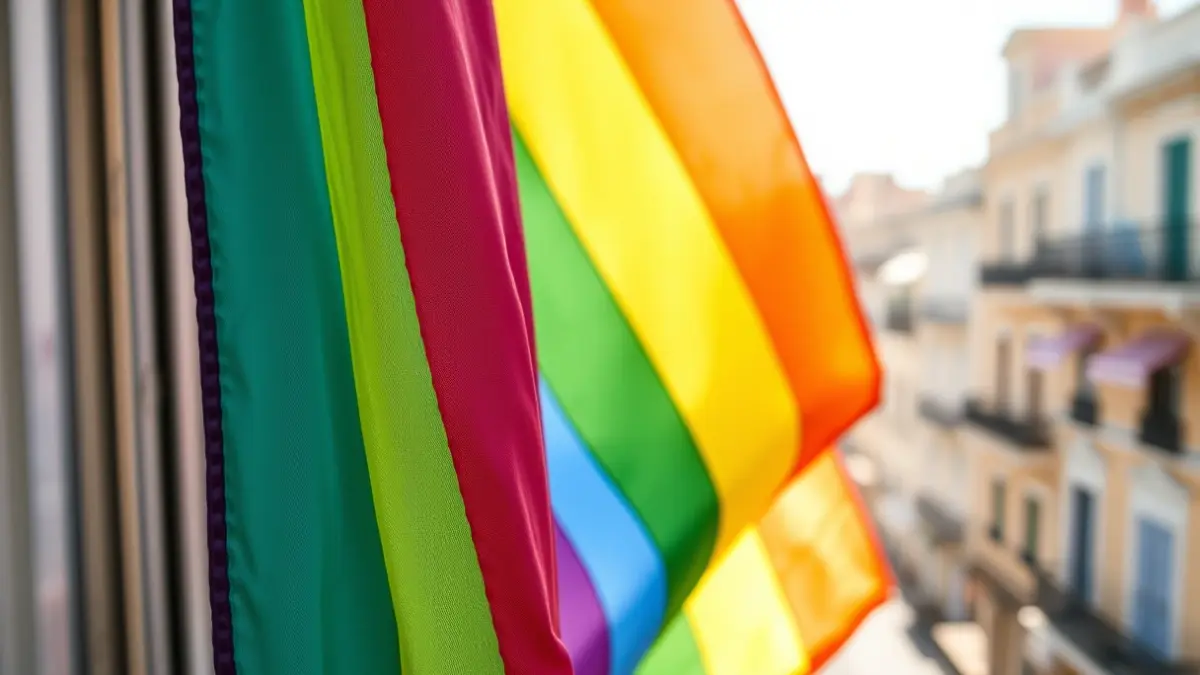
These actions seek to ensure the full guarantee of LGTBIQ+ rights in the city. Among the activities scheduled for the day, a debate session on the legislative impact of collective processes stands out, bringing together about fifty participants at the President Macià Civic Center.
“"We join in on May 17, and we do so through the work we carry out throughout the year."
The session will feature the participation of the head of the Planning and Territorial Deployment Area of the Directorate General of LGBTI+ Public Policies of the Department of Equality and Feminism of the Generalitat de Catalunya, followed by a dialogue space with entities that have contributed to the implementation of the regulations, such as Acció Trans, Bollos en Teoria, and Gais Positius.
The local administration also emphasizes prevention, consolidating the DASIG Care Commission and developing an internal communication guide to report aggressions respectfully, avoiding the re-victimization of affected individuals.
Regarding the balance of the Comprehensive Service for Affective, Sexual, and Gender Diversity (SAI DASIG) for the year 2025, the council has reported that a total of 160 files have been managed. Of these, 70 correspond to new requests, while the remaining 90 are cases from previous years that required follow-up.
The most frequent themes include 48 files related to affective, sexual, and gender diversity issues, 29 cases linked to asylum or refuge, and 26 complaints for LGTBI-phobic discrimination. During this period, the service has provided 565 attentions, mostly socio-educational in nature, and has resolved 40 specific informational inquiries about available rights and resources.