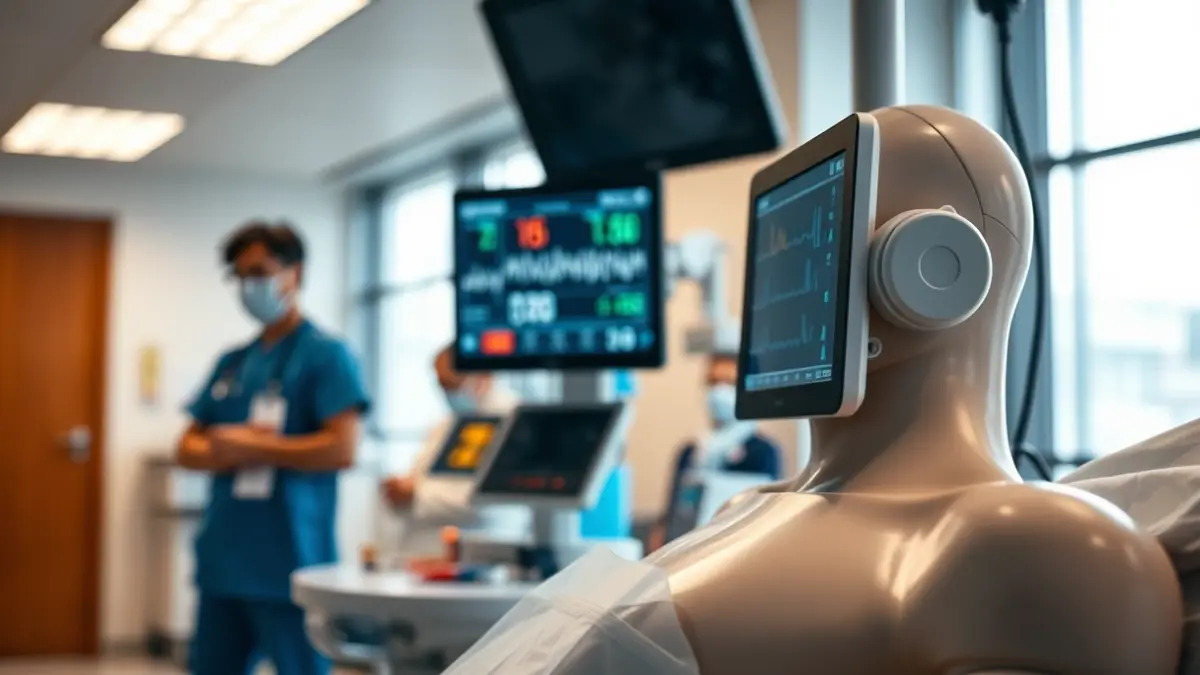
The event gathered eight multidisciplinary teams, comprising doctors, nurses, and residents, who faced highly complex cases. Simulated scenarios included critical patient care and cardiopulmonary arrest management, emphasizing communication, leadership, and coordination.
The Consorci Sanitari de Terrassa (CST) highlighted that the competition's main objective was to go beyond technical skills, focusing on human factors that are crucial in responding to emergency situations.
“"This type of training allows healthcare teams to prepare in safe environments before intervening with real patients, especially in highly complex and demanding scenarios. The level of satisfaction among participants has been very high, particularly highlighting the realism of the simulations and the practical value of the experience."
The Codi Tarraco team, from the University Hospital Joan XXIII of Tarragona, emerged victorious in this first edition, after a closely contested final against the team from the Hospital d'Igualada. The winners received recognition and a monetary prize for their outstanding performance.
This initiative is inspired by training models from other high-responsibility sectors, such as aviation, where pilots systematically use simulators to prepare for real situations. Adapting this model to the healthcare sector aims to improve professional preparedness in a safe and controlled environment.
“"Clinical simulation allows us to train in highly complex situations in a safe environment. These initiatives have a direct impact on the quality of care and patient safety."